
BRIN Projects Need for 200 New Nuclear Researchers to Support 2032 PLTN
Jakarta (ANTARA) - Indonesia’s National Research and Innovation Agency (BRIN) projects a requirement for approximately 200 new researchers in the nuclear field to support national nuclear energy development, including plans for the country’s first nuclear power plant (PLTN), which is targeted to become operational in 2032.
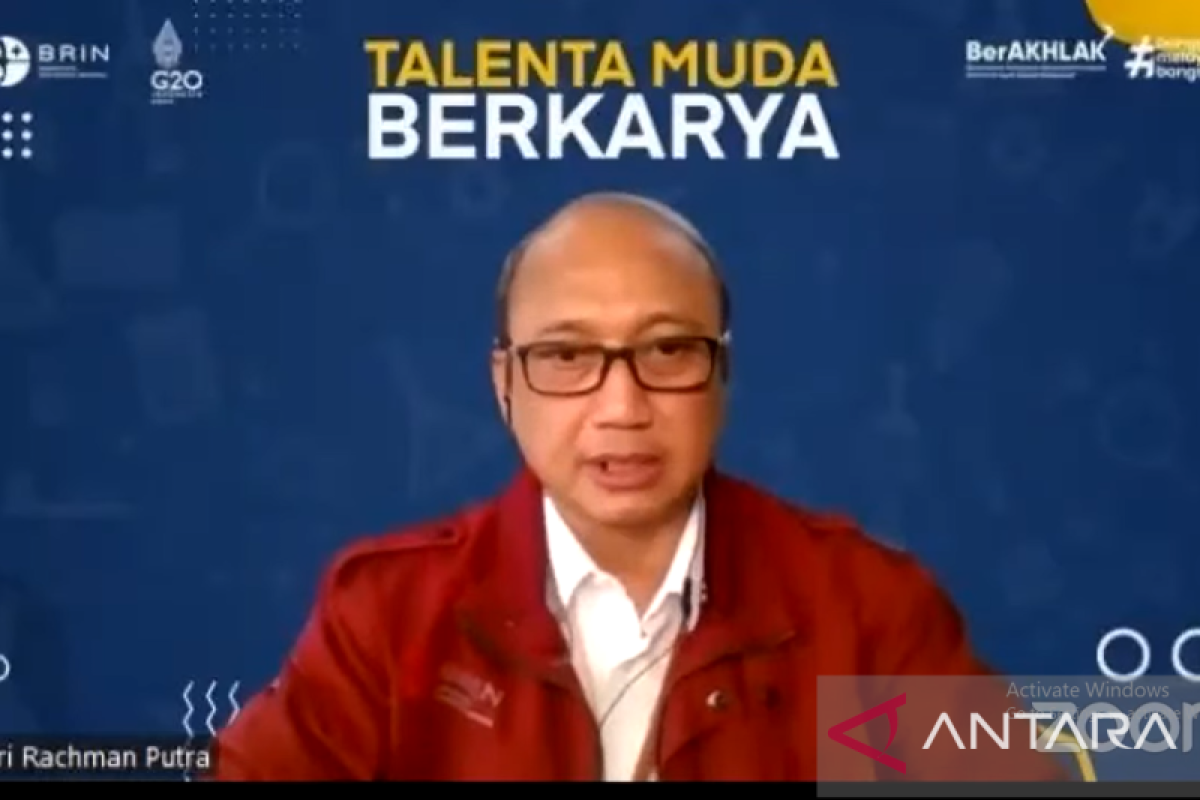
Edy Giri Rachman Putra, Deputy for Human Resources in Science and Technology at BRIN, stated that this demand has emerged as the need for research and technology talent has increased to strengthen Indonesia’s nuclear energy ecosystem.
“We project a need for nearly 200 new researchers in the nuclear field to support future research and technology development,” he said in a statement in Jakarta on Wednesday.
Edy emphasised that human resource (HR) development is a critical factor in preparing Indonesia to enter the nuclear energy era, particularly to support research stages, technology development, and future power plant operations.
However, he acknowledged that meeting nuclear HR needs is not straightforward. One of the challenges faced is the limited interest of young talent in pursuing careers in nuclear research.
“It is indeed difficult to find people willing to pursue careers as nuclear researchers. Even graduates from nuclear education programmes do not necessarily all enter this field,” he said.
Beyond the shortage of talent, BRIN also believes it is necessary to strengthen the connection between the education sector and the needs of the nuclear industry. According to Edy, this sector requires not only graduates with academic qualifications but also technical competencies that are standardised and recognised by industry.
For this reason, BRIN is promoting the development of national competency standards in the nuclear field so that competencies developed by educational institutions align with industry requirements.
To strengthen nuclear talent development, Edy explained that BRIN is initiating various HR capacity-building programmes, both through formal education and professional training. One such initiative involves collaboration with the Education Fund Management Institute (LPDP) to provide special scholarship schemes for developing talent in the nuclear energy field.
Additionally, BRIN is planning various training programmes, including the Nuclear Energy Management School, designed to strengthen project management capacity for nuclear energy in Indonesia.
These programmes are expected to involve various stakeholders, ranging from researchers and universities to industry, so that nuclear HR development can be conducted in a more collaborative manner.