
BRIN Prepares Waste Processing Technology to Address Indonesia's Waste Emergency
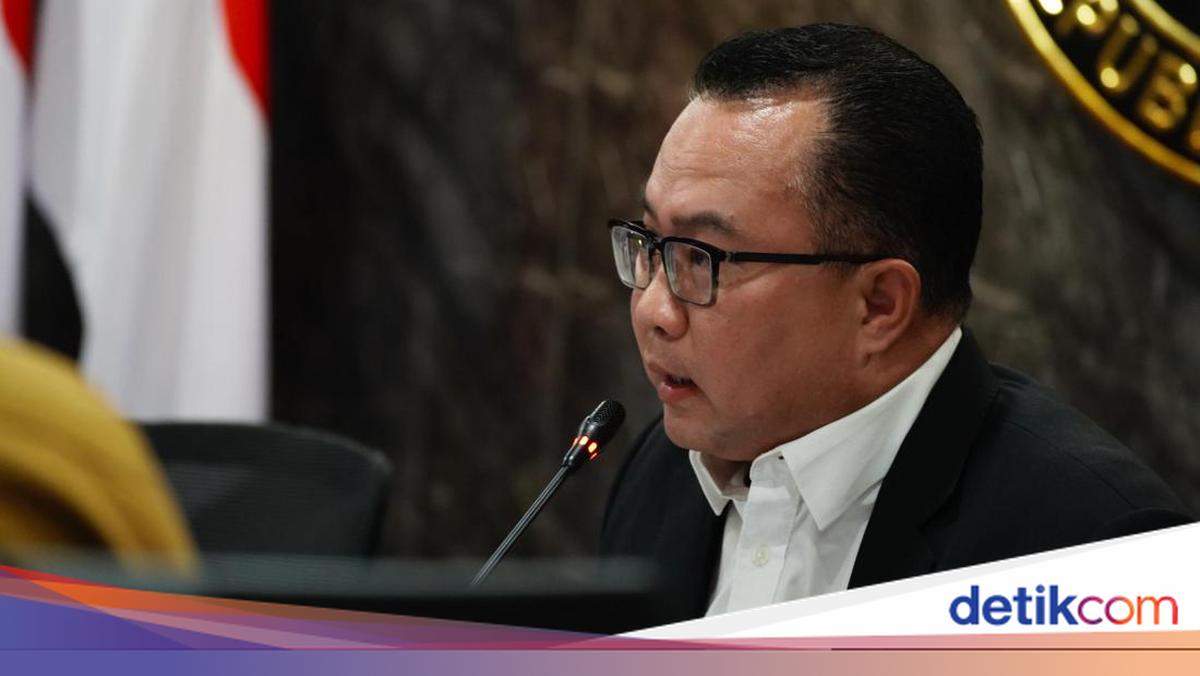
The National Research and Innovation Agency (BRIN) has outlined various waste processing technologies as solutions to address Indonesia’s waste emergency. BRIN Head Arif Satria stated that the waste processing innovations developed by BRIN are ready to be replicated and applied more widely in various regions, from village to urban scales.
“The waste processing technologies we have developed cover various scales, from village level, communities, to large cities. These become solutions ready to be applied to support comprehensive waste management,” Arif said in a written statement on Tuesday (31/3/2026).
This was conveyed during the Limited Coordination Meeting on Waste Processing into Electricity (PSEL) at the Coordinating Ministry for Food Affairs, on Tuesday (31/3).
Arif explained that on a large scale, BRIN has developed Waste Processing into Electricity (PSEL) technology with a capacity of up to hundreds of tonnes per day. For medium scale, BRIN has prepared Refuse-Derived Fuel (RDF) technology, pyrolysis to convert plastic waste into fuel, and biodigesters to produce biogas from organic waste.
Meanwhile, on a small scale, BRIN is also promoting the use of simple and affordable technologies such as composters and household-based waste processing that have begun to be implemented in various villages.
According to Arif, several of these technologies have been tested and implemented in a number of regions. Therefore, the next stage is to accelerate replication and encourage investment so that their utilisation is more optimal.
“The technology is already available and proven to work. Our current challenge is how to expand its application and accelerate its implementation in the regions,” he added.
Meanwhile, Coordinating Minister for Food Affairs Zulkifli Hasan stated that the government is accelerating national waste management in line with the President’s directives. The government targets some waste processing projects to start operating in 2027 and all priority programmes to be completed by 2028.
According to Zulkifli, the utilisation of technology is key to resolving waste issues, including through the development of waste-to-energy, RDF, and other processing technologies prepared by BRIN. The government will also strengthen law enforcement to encourage compliance from all parties in waste management.
“The technology is already there; it just takes our collective will and discipline to solve this problem. Law enforcement will also be strengthened so that waste management runs optimally,” he emphasised.