
BRIN prepares human resources to operate Indonesia's first nuclear power plant by 2032
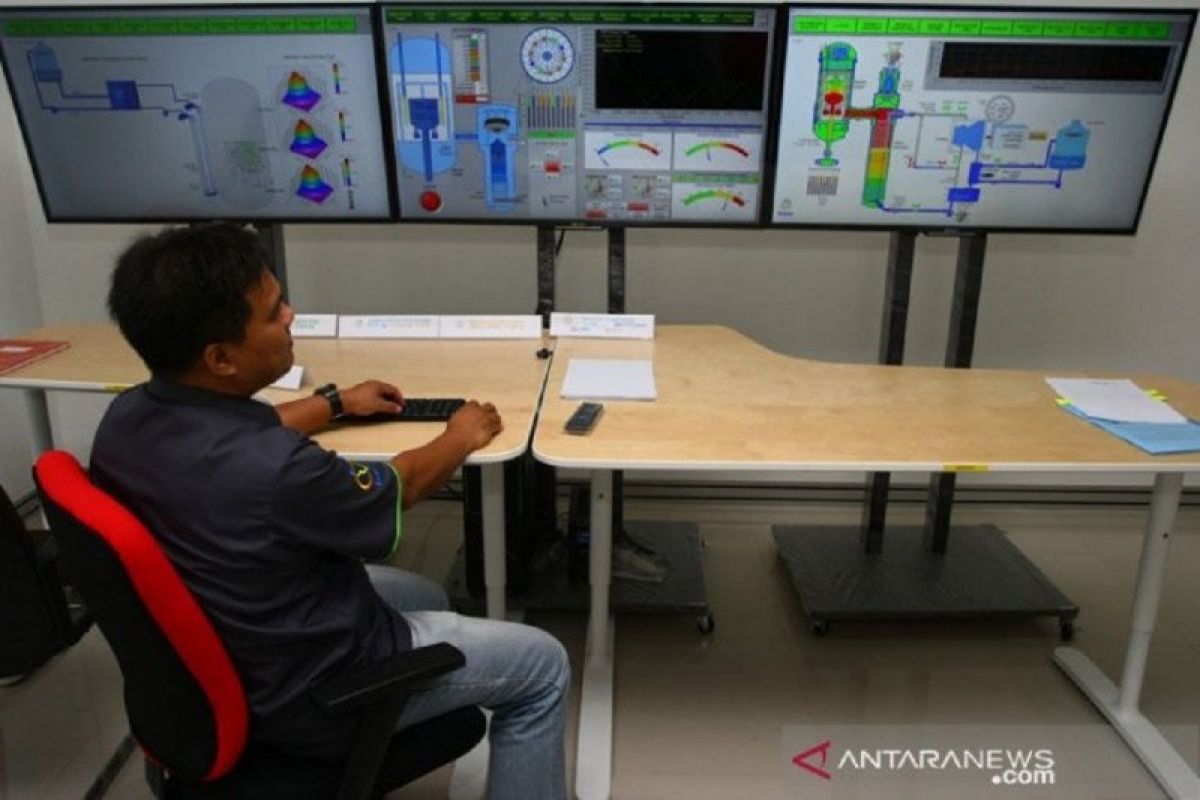
The National Research and Innovation Agency (BRIN) has convened an inter-ministerial and inter-agency discussion to accelerate preparations in human resources and institutional capacity ahead of Indonesia’s first Nuclear Power Plant (PLTN) construction in 2032.
During a Focus Group Discussion (FGD) titled “Accelerating Human Resource and Institutional Readiness for Indonesia’s First Nuclear Power Plant” in Jakarta on Tuesday, BRIN Chief Arif Satria stated that nuclear energy is no longer positioned as a last resort, but rather as a core pillar of clean and stable baseload energy.
“PLTN development represents a technological civilisational leap that demands stringent international safety and security standards under the supervision of the International Atomic Energy Agency (IAEA),” he said.
He therefore emphasised that competent, ethically sound human resources with a strong nuclear safety culture are non-negotiable prerequisites.
“The six-year period until 2032 is critical. This FGD aims to ensure that when the first PLTN operates, it is staffed by the nation’s finest personnel, meticulously prepared, rather than relying solely on foreign expertise,” said Arif.
The initiative synchronises five key dimensions of human resource readiness that have previously operated in silos: the Technology and Standards Dimension from BRIN, ensuring research and innovation support the development process; the Institutional and Bureaucratic Dimension from the Ministry of State Apparatus and Bureaucratic Reform (PANRB), which will address regulatory frameworks and career pathways to attract top talent; and the National Energy Policy Dimension from the Ministry of Energy and Mineral Resources (ESDM), which ensures the PLTN roadmap aligns with human resource availability.
Several critical topics were examined, ranging from competency development roadmaps, bureaucratic transformation and civil service human resource management, nuclear sector career development regulations, to operational readiness and strategies for transitioning workers from coal power plants to nuclear facilities.
The discussions also addressed the time gap risk, whereby IAEA standards require reactor operators to accumulate thousands of hours of experience. Should large-scale training begin only in 2029, Indonesia risks facing a shortage of licensed operators by 2032.
The Indonesian Government has targeted the first PLTN unit to commence operations in 2032 as part of its roadmap towards achieving Net Zero Emissions (NZE) by 2060.