
BRIN: Plans to close study programmes must be accompanied by curriculum transformation
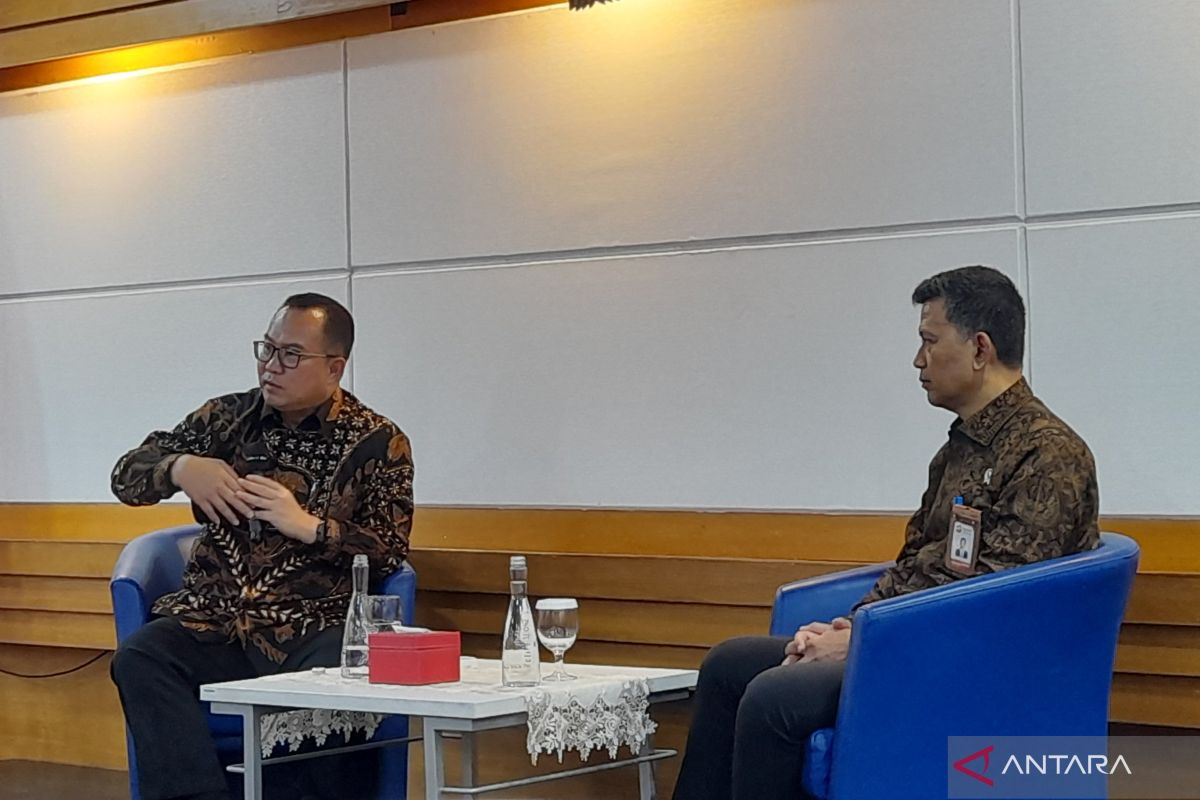
Jakarta (ANTARA) - The Head of the National Research and Innovation Agency (BRIN), Arif Satria, has emphasised that the Ministry of Higher Education, Science, and Technology’s (Kemdiktisaintek) plans to close study programmes (prodi) not aligned with industry needs must be accompanied by curriculum transformations.
“The skills we teach students today when they enter university may only remain relevant at around 60% five years later. That means, by the time they graduate, their knowledge is already outdated. So, without transformations in higher education curricula, including relevant learning products, students will struggle to adapt to new environments and industries,” he said in Jakarta on Tuesday.
Therefore, according to him, what Minister of Education, Science, and Technology Brian Yuliarto has proposed is actually part of efforts to save higher education in Indonesia from lagging behind the pace of industrial development, as failure to provide reliable human resources could leave the country behind.
Arif added that universities are currently developing micro-credential systems, which are forms of recognition for small-scale (modular) learning focused on specific skills and practical industry needs, typically completed in a short time (from a few weeks to several months).
Unlike broad bachelor’s degrees that take four years, micro-credentials are sharper and faster because they target specific skills that can be directly applied in the workforce. In fact, for many working people, these certifications are often more valuable than diplomas.
“There are many surveys showing the responses from students and industry to the need for micro-credentials. The point is, industry is developing very quickly, and the world of education must be able to adapt quickly and have high flexibility,” said Arif.
In addition, the most important thing according to Arif is that higher education must shape a learner’s mentality so that campuses can produce generations that are adaptive in facing a world of rapid and uncertain changes.