
BRIN develops sourdough dough based on local Gunungkidul rice
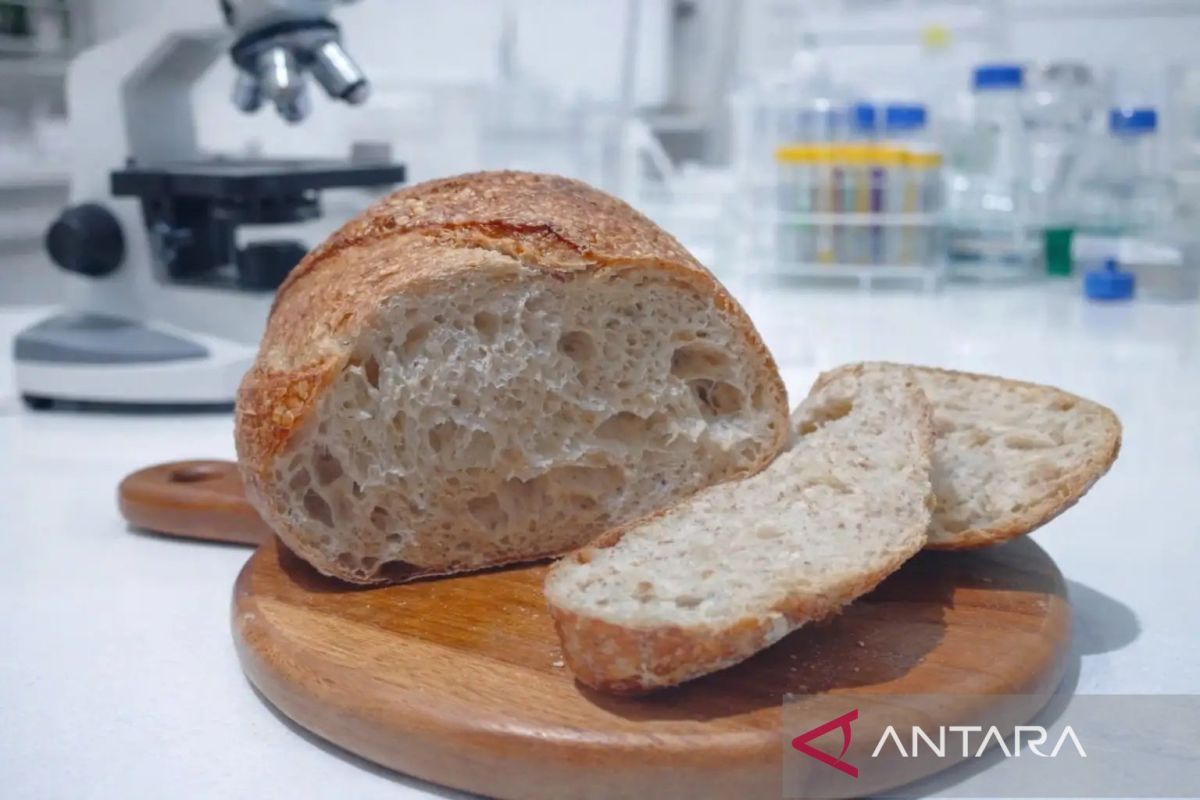
Jakarta (ANTARA) - Engineers from the Centre for Food Technology and Processing Research (PRTPP), National Research and Innovation Agency (BRIN), Dyah Ayu Puspitasari, have developed an innovative food product: sourdough bread based on the local Gunungkidul rice ‘Segreng Handayani.’
In a statement from Jakarta on Saturday, Dyah revealed the potential of Segreng Handayani red rice from Gunungkidul as a base for sourdough. According to her, this rice has unique characteristics because it grows in dry and challenging land, making it rich in starch, fibre, and bioactive compounds such as phenolics, flavonoids, and gamma-oryzanol.
“Through the fermentation process, these compounds become more easily absorbed by the body or their bioavailability increases. This fermentation process will produce aroma compounds like 4-vinyl guaiacol, which gives a distinctive character to the final product,” she said.
Dyah stated that sourdough based on red rice not only offers a different taste but also better functional value, such as being easier to digest and helping to maintain blood sugar stability.
In addition, Dyah explained that sourdough is not just bread but a natural fermentation system involving complex interactions between yeast and lactic acid bacteria (LAB).
“This fermentation process produces gas and acid that play a role in forming texture, taste, and naturally increasing the shelf life of the product,” she said.
Dyah revealed that sourdough is not just ordinary bread but a microorganism ecosystem. Unlike commercial bread that uses instant yeast and a fast process, sourdough relies on slow fermentation. This process allows changes in starch and protein, resulting in a more complex flavour, distinctive aroma, and richer texture.
Dyah also noted that natural fermentation is greatly influenced by environmental factors such as temperature, time, and local microflora, so product consistency becomes a challenge in large-scale production. Nevertheless, the opportunities for its development remain wide open.
“Our local food has extraordinary richness in taste, texture, and nutritional value. Through a natural fermentation approach, we not only preserve traditions but also present healthier and more sustainable food solutions,” said Dyah Ayu Puspitasari.