
BRIN Develops Merah Putih Waste-to-Energy Plant as a Solution to Waste Problems
Indonesia’s National Research and Innovation Agency (BRIN) is developing waste management technology innovation through the construction of a Waste-to-Energy Power Plant (PLTSa) in Bantargebang, Bekasi, to tackle urban waste management crises.
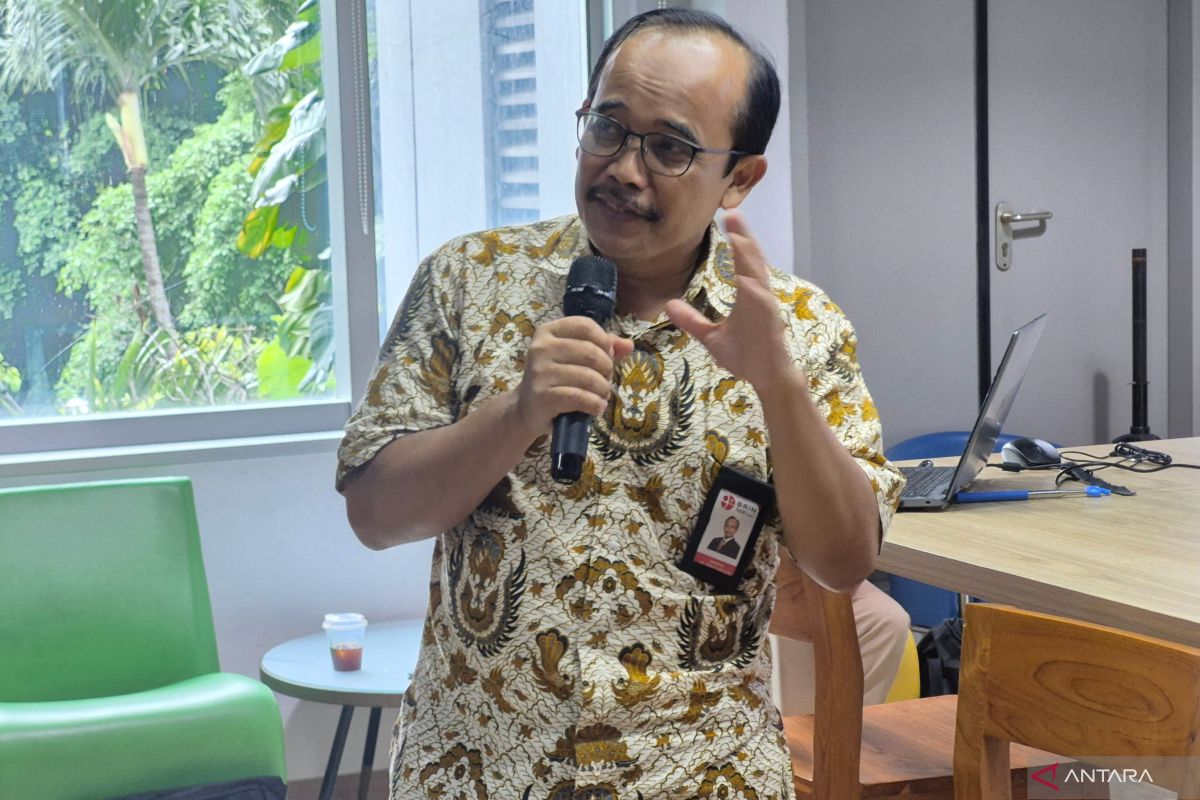
In a discussion in Jakarta on Thursday, researcher from BRIN’s Centre for Environmental Technology and Clean Technology Research, Wiharja, explained that the system utilises urban waste as fuel. Incoming waste first undergoes sorting and drying processes to increase its calorific value or heat energy.
Subsequently, the waste is incinerated in a combustion furnace to produce heat. This heat is used to generate steam, which then drives a turbine and generator to produce electricity.
Gases from the waste combustion are also filtered through a series of air pollution control devices that comply with the quality standards set by the Ministry of Environment and Forestry.
Wiharja outlined that the Merah Putih PLTSa developed by BRIN remains at a demonstrative scale. This pilot project was built with a waste processing capacity of 100 tons per day, and from 2018 to 2022, its management was in collaboration with the DKI Jakarta Provincial Government.
The electricity capacity generated is 700 kilowatts (kW), which is fully used to meet internal needs. This is because the facility is still a pilot project and not yet at a commercial scale.
“In full-scale development, the energy potential from urban waste in major cities like Jakarta could reach tens of megawatts, depending on the volume and characteristics of the waste,” he stated.
Wiharja highlighted several advantages of the Merah Putih PLTSa, including its adaptability to the characteristics of Indonesian waste, which generally has high moisture content and is not well-sorted; improved process efficiency through the integration of waste pre-treatment; and being based on national research, making it easier to adapt to local conditions and regional needs.
This PLTSa is projected to become one of the key pillars in Indonesia’s integrated waste management system. The technology not only reduces reliance on landfilling but also contributes to providing renewable energy.
With the right approach, Wiharja believes that PLTSa can play a significant role in supporting the transition to a circular economy, reducing greenhouse gas emissions, and enhancing national energy resilience.