
BRIN Develops Food Innovation in the Form of Gamindo B Orange Sheets
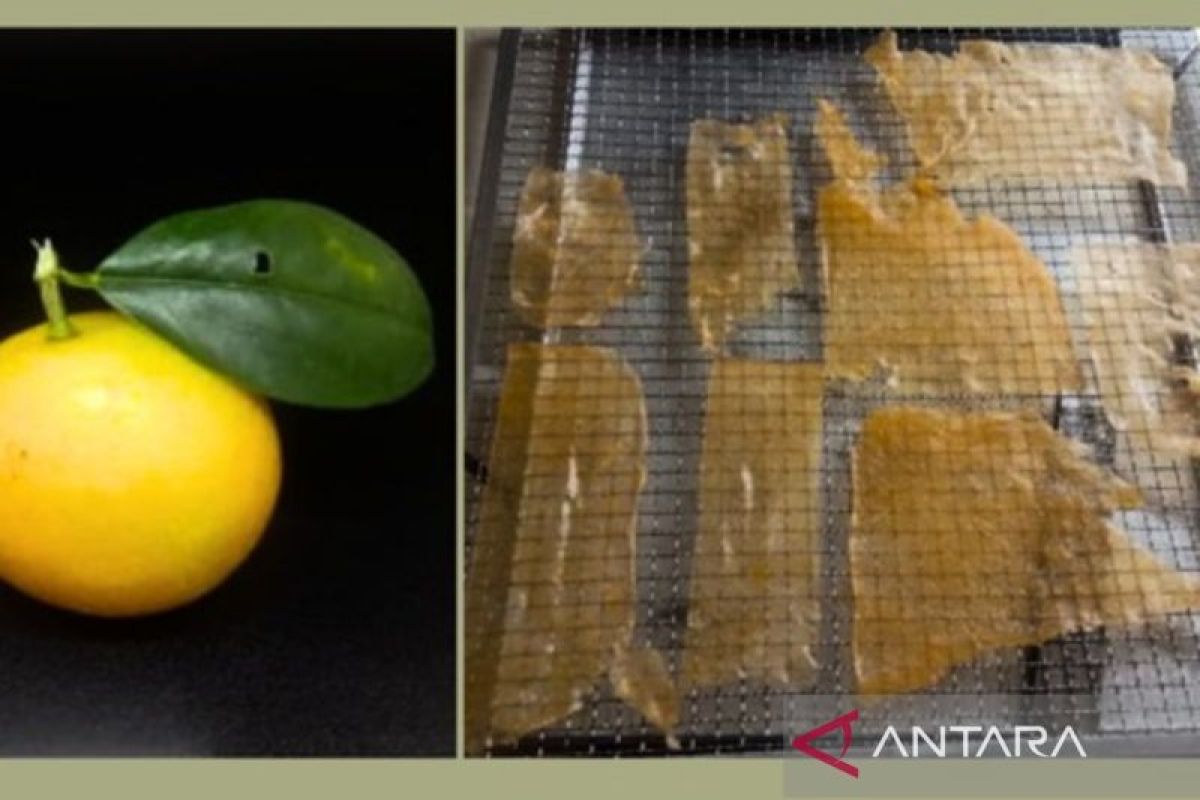
Jakarta (ANTARA) - The Centre for Food Technology and Processing Research (PRTPP) of the National Research and Innovation Agency (BRIN) has developed a practical, nutritious food innovation capable of increasing the added value of national horticulture in the form of fruit leather based on Gamindo B oranges.
PRTPP BRIN researcher Imro’ah Ikarini in Jakarta on Tuesday revealed that Gamindo B oranges are small in size, have edible skin, and a distinctive sweet-sour flavour. Their content of bioactive compounds such as flavonoids, pectin, essential oils, and vitamin C makes them highly potential as raw materials for functional foods.
“This invention is designed to optimise the full utilisation of Gamindo B oranges while producing a lightweight, practical, nutritious food product with higher economic value,” said Imro’ah.
Imro’ah explained that the product not only extends shelf life but also results in an elastic, homogeneous texture and a flavour more preferred by consumers.
Research results show that Gamindo B orange sheets contain 83.16 mg of vitamin C per 100 grams, close to the content in the fresh fruit. Additionally, the product has 51.72% antioxidant activity and 1.77% crude dietary fibre content.
These contents, she said, make this product a functional food that has the potential to help maintain health and counteract free radicals.
The production process involves stages of sorting, washing, soaking to preserve colour, pulverising into puree, mixing with sugar and carrageenan, and heating and drying using a dehydrator.
“The developed formulation can produce a product with low moisture content, thus extending shelf life,” she stated.
She mentioned other advantages include the use of local raw materials and relatively simple technology, making it potential for adoption by micro, small, and medium enterprises (UMKM).
“This innovation opens opportunities for BRIN research downstreaming into commercial products that can increase added value and community welfare,” Imro’ah concluded.