
BRIN: Beware of the Potential Return of the Plague Outbreak in Indonesia
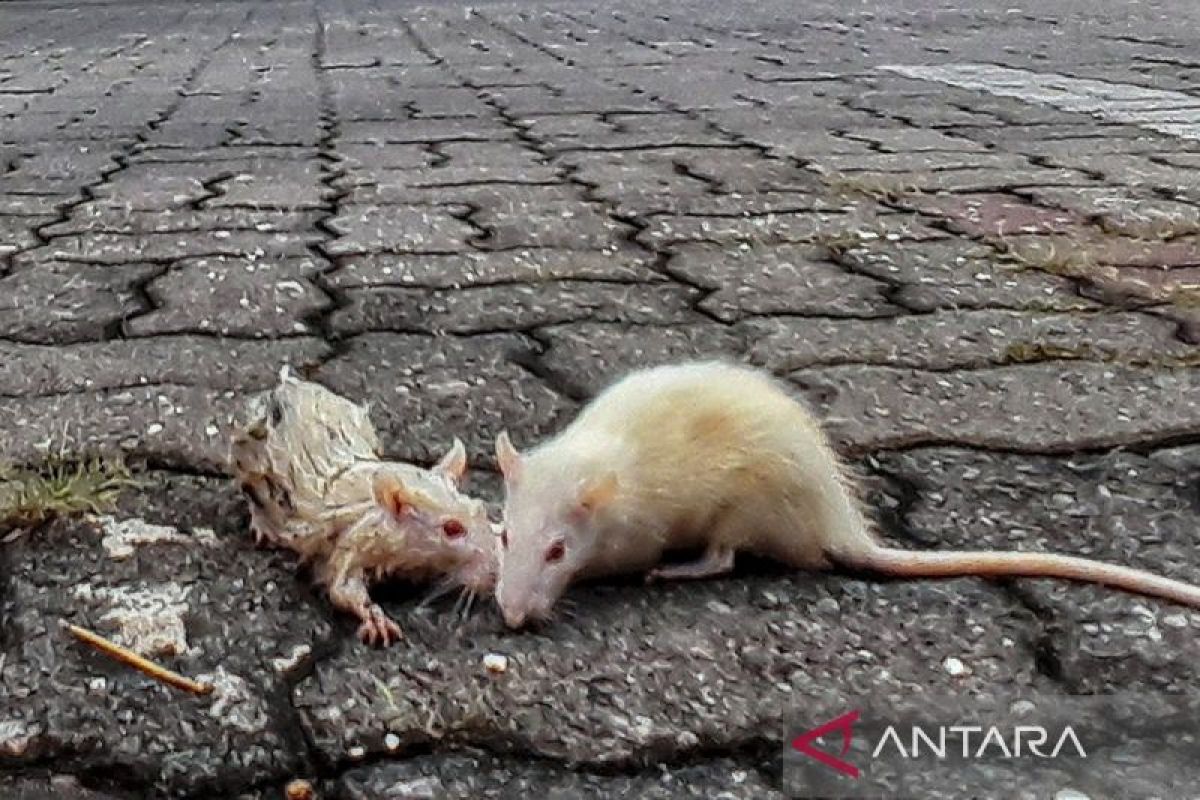
Jakarta (ANTARA) - The Centre for Public Health and Nutrition Research at the National Research and Innovation Agency (BRIN) has reminded the Indonesian public of the potential return of the plague outbreak in Indonesia. Although no human cases have been detected in recent years, researcher from the Centre for Public Health and Nutrition Research at BRIN, Ristiyanto, mentioned the phenomenon of the “silent period,” a phase when a disease goes undetected for a long time but still has the potential to re-emerge. “There is a term ‘silent period,’ which is the period when a disease is not detected for a long time, but actually still has the potential to re-emerge,” he said in a statement in Jakarta on Monday. Ristiyanto explained that the plague is suspected to still be in that phase. This is supported by findings that the causative bacteria, as well as its vectors and reservoirs, such as fleas and rats, are still found in several enzootic areas in Indonesia. “This condition increases the risk of disease transmission through flea bites carrying the bacteria,” said Ristiyanto. In agreement, another researcher from the Centre for Public Health and Nutrition Research at BRIN, Muhammad Choirul Hidajat, stated that climate change also contributes to the increase in flea populations as disease vectors. “The combination of environmental changes, the presence of vectors and reservoirs, and increasing human interaction are the main risk factors that need to be wary of,” said Choirul. Although there have been no human plague cases for more than a decade, he said, several areas on Java Island are still categorised as focus areas, including Pasuruan Regency, Boyolali, Sleman, and Bandung. Choirul reminded that this situation should not be taken lightly. According to him, the absence of cases does not mean the disease has completely disappeared. As a precautionary measure, he recommended strengthening integrated surveillance systems that include monitoring of humans, animals, and disease vectors. In addition, improving environmental sanitation and monitoring former endemic areas are also considered important to prevent potential outbreaks.