
BRIN and PalmCo Develop Bio-CBG from Palm Oil Waste as LPG Alternative
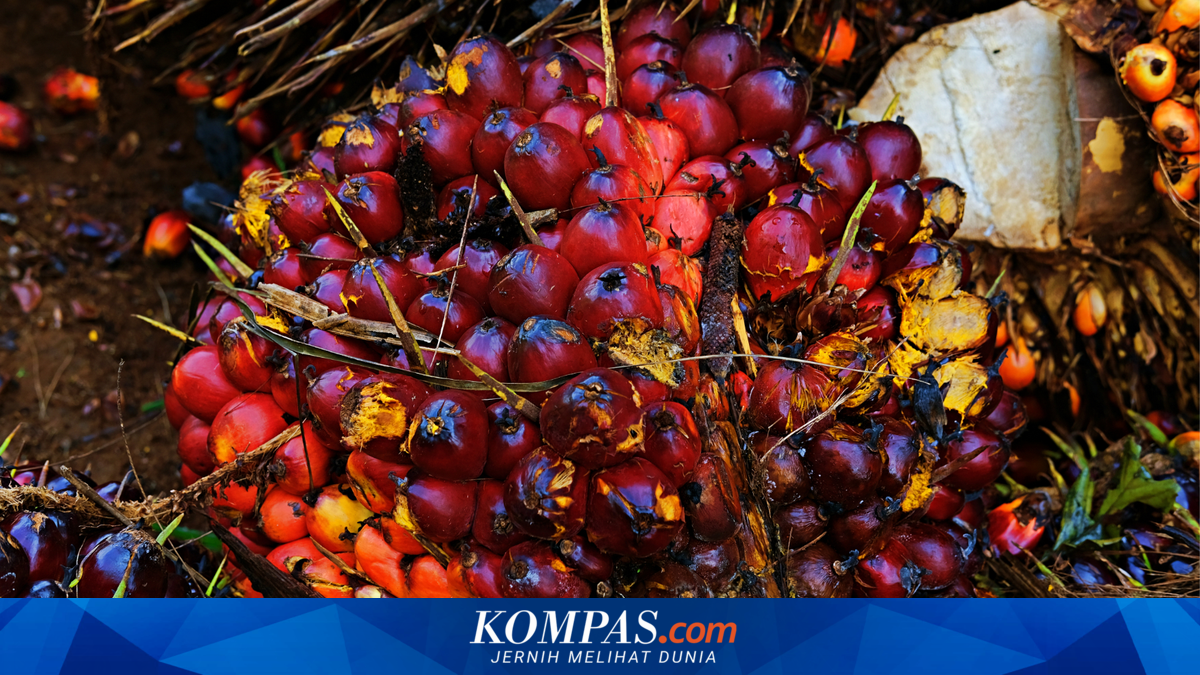
The National Research and Innovation Agency (BRIN), PTPN III Sub-Holding (Persero), and PTPN IV PalmCo are developing Bio-Compressed Biomethane Gas (Bio-CBG) from palm oil waste. The energy is intended as an alternative to liquefied petroleum gas (LPG) and aims to strengthen national energy resilience and the renewable energy mix.
“Palm oil waste has long been associated with environmental issues. Now the approach has changed; waste can become a new source of economically valuable energy that also supports national energy security,” said Jatmiko K Santosa, Director of PTPN IV PalmCo, in a statement in Jakarta on Tuesday (26 May 2026).
PalmCo and BRIN are finalising research on Bio-CBG development. Bio-CBG is a biomethane gas derived from palm oil waste with quality equivalent to compressed natural gas (CNG). The processed palm oil waste energy is projected to replace imported LPG and bolster the national renewable energy mix.
Jatmiko stated that Bio-CBG development is part of the company’s long-term strategy to optimise palm oil waste into high-value energy. The joint BRIN project focuses on processing palm oil mill effluent (POME) and empty fruit bunch biomass.
“Bio-CBG is essentially a ‘green twin’ of CNG. It serves the same function and can be used as an alternative to LPG or other fossil fuels,” Jatmiko added.