
BRIN: AI Must Not Compromise Academic Integrity
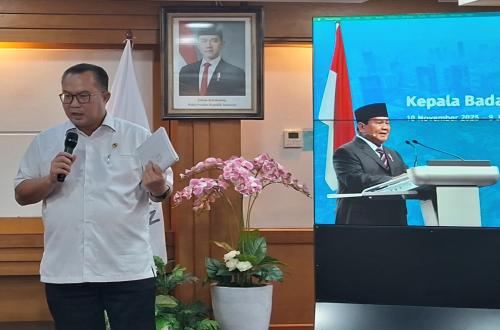
BRIN has taken a firm stance in response to the recent surge in data falsification scandals and AI-based research analysis and interpretation across international forums. Comprehensive corrective measures include tightening oversight of global partnerships and reiterating the universal application of quality assurance Standard Operating Procedures (SOPs) for all types of research, including domestic studies. BRIN Chief Professor Dr Arif Satria, SP, M.Si stated that scientific integrity now faces new challenges requiring more dynamic regulatory safeguards. The ease offered by AI technology must not compromise academic honesty. He added that AI should act as an innovation accelerator, not a tool for fabricating data and generative experiments to chase instant publication metrics. ‘The recent global scandals that are now widely debated present a critical moment for us to stress the importance of clear and comprehensive regulations on the boundaries and ethics of AI use in research activities,’ Arif said in a statement on Saturday (30 May 2026). Arif emphasised that BRIN’s oversight instruments make no exceptions. Strict SOPs designed to ensure research quality are not only strictly enforced in international research collaborations but also apply unequivocally to all domestic research activities, including local studies at regional levels. Layered oversight—covering Ethical Clearance, independent audit trails by the Research Ethics Committee, and mandatory raw data transparency—is applied universally across all levels. Through these mitigation measures, BRIN encourages the national research ecosystem to responsibly adopt Open Science principles. Severe sanctions await serious ethics violators, including total research grant termination, revocation of expert status, blacklisting from the national research ecosystem, and legal implications if proven to harm state finances. The highest honour for a true scientist lies in the honesty of the process and real impact on civilisation, not in the quantity of artificially generated publications.