
Brigadier General Wibowo: Taxpayers Must Not Be Rejected, but Name Transfer is Required for Accurate and Integrated Data
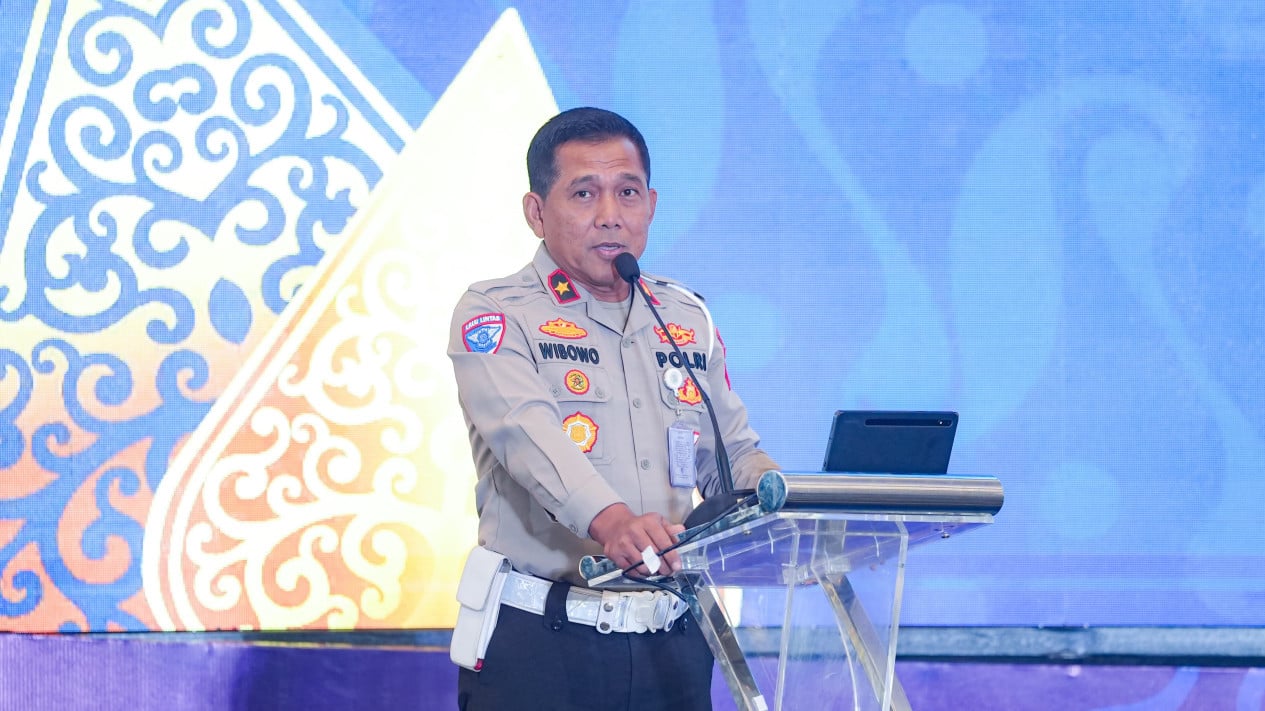
Semarang, VIVA – The National Level Coordinative Meeting for Samsat Development for the 2026 Fiscal Year was officially held on 22–23 April 2026 at the Padma Hotel in Semarang, Central Java. This event serves as a strategic national forum to strengthen synergy and align Samsat service policies across Indonesia.
The Director of Registration and Identification (Dirregident) of Korlantas Polri, Brigadier General Wibowo, emphasised the importance of this meeting as the final momentum in the series of national coordination efforts to provide strategic emphasis that must be followed up by all levels in the regions.
Dirregident stated that one of the crucial issues still faced is public complaints regarding difficulties in paying motor vehicle taxes, particularly when they cannot show an ID card that matches the data on the STNK.
Nevertheless, the public has the willingness to fulfil their tax obligations, which directly impacts regional development.
“The public who wish to pay taxes must still be served. Field officers must not refuse, but still direct them to carry out the vehicle name transfer process,” he stressed.
He explained that normatively, the registration and identification of motor vehicles is regulated under Law No. 22 of 2009, which covers registration, annual endorsement, five-year extensions, to changes in vehicle data.
However, in practice, there are still many vehicles that have changed ownership without undergoing name transfer, thus causing administrative obstacles.
As a solution, Dirregident emphasised the need for a flexible and solution-oriented approach. The public can still be provided with STNK endorsement services through certain mechanisms, such as attaching available documents and being directed to carry out blocking as a form of reporting vehicle transfer, before ultimately being encouraged to perform the official name transfer.
This policy is also in line with the spirit of reforming local tax management as regulated in Law No. 1 of 2022, which provides conveniences for the public, including reductions or waivers of name transfer fees in several regions.
Furthermore, Dirregident stressed the importance of improving service quality amid the era of information openness.
He reminded that the public can now easily submit complaints via social media, so every officer must ensure fast, responsive services without unnecessary obstacles.