
Breaking: Trump Signals New Negotiations in US-Iran War in Pakistan
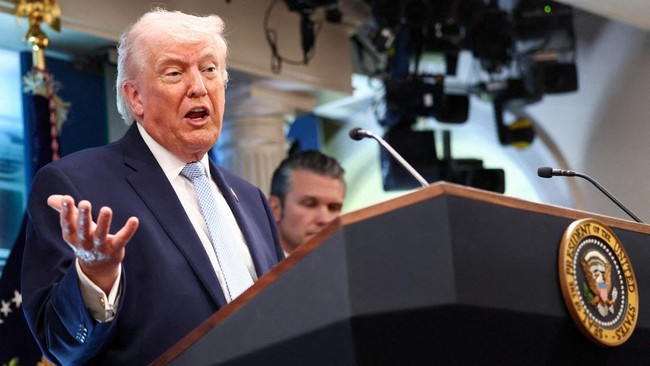
US President Donald Trump has signalled the possibility of resuming talks with Iran in the near future, following the initial round of negotiations that ended without agreement over the weekend. In a telephone interview with the New York Post, Trump mentioned that the second round of discussions could take place “within the next two days” and might return to Islamabad. “You’d better stay there (in Pakistan), because something might happen within the next two days, and we’re more inclined to go there,” Trump told a reporter in Pakistan, as quoted by AFP on Wednesday (15/4/2026). Trump initially suggested the talks might not return to Pakistan but quickly revised his statement, deeming the location more feasible while praising Pakistan’s army chief, Asim Munir, for doing “a great job.” Amid these signals, diplomats are reportedly intensifying back-channel efforts to reopen dialogue between Washington and Tehran. These efforts come as tensions rise following the US imposition of a blockade on Iranian ports, which has prompted retaliatory threats from Tehran against various regional targets. UN Secretary-General Antonio Guterres has bolstered the prospects for further negotiations, stating that new talks are “very possible,” referring to his meeting with Pakistan’s Deputy Prime Minister, Ishaq Dar. Nevertheless, a US official noted that discussions are ongoing without an official schedule, given that the main impasse remains Iran’s nuclear ambitions. The conflict, now entering its seventh week, has wrought widespread humanitarian and global economic impacts. Thousands of lives have been lost in various countries, including Iran, Lebanon, Israel, and the Gulf region, while the US military has also recorded casualties amid the intensifying escalation. The situation has grown more complex after the maritime blockade was enforced in the Strait of Hormuz, a vital route that normally carries about one-fifth of the world’s oil supply. The US Central Command stated that no ships passed the blockade in the first 24 hours, while several merchant vessels were ordered to turn back to Iranian ports in the Gulf of Oman. US Treasury Secretary Scott Bessent emphasised that Chinese-flagged tankers would not be permitted to pass. “They won’t be able to get their oil,” he said during an IMF-World Bank meeting. This statement drew criticism from Chinese President Xi Jinping, who called on countries to reject unilateral approaches and maintain multilateral cooperation. The tightening of global energy routes has driven a surge in world oil prices, subsequently impacting rises in fuel, food, and essential commodity prices in many nations. Trump himself described Iran’s control over the route as “extortion” and threatened to destroy Iranian military vessels attempting to challenge the blockade, while Tehran warned of retaliatory strikes if attacked.