
Breaking: Last Trading Day Before Eid Recess, Jakarta Composite Index Opens Up 1%
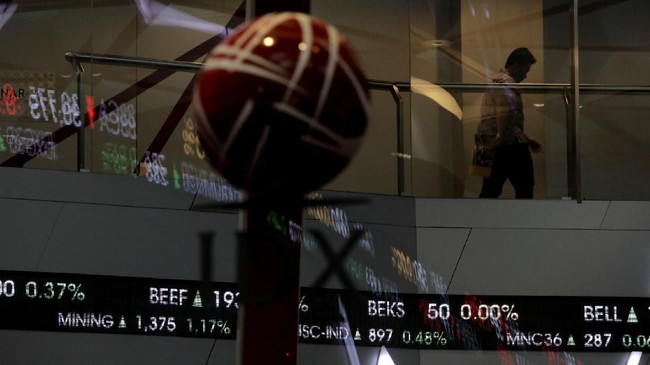
Jakarta — Indonesia’s Jakarta Composite Index (IHSG) opened strongly this morning, Tuesday 17 March 2026, rising 1% to 7,094.5.
A total of 325 shares gained, 106 declined, and 527 remained unchanged. Transaction value reached 230.8 billion rupiah, involving 432.5 million shares across 29,200 transactions. Market capitalisation rose to 12.542 quadrillion rupiah.
Today will mark the final IHSG trading session during Ramadan 1447 H (2026). For investors, this Ramadan period has not been memorable, with the index registering significant losses for many market participants.
According to CNBC Indonesia records, since Ramadan began on 19 February 2026 through Monday 16 March 2026, the IHSG has collapsed 15%—a poor showing given that over the past five years, the IHSG has typically strengthened during Ramadan. In Ramadan 2025, for instance, the IHSG rose 3.8%.
Another concerning statistic is the prevalence of negative closes during Ramadan. Over 18 trading days in this Ramadan period, the IHSG gained only five times, with the remaining 72% of days ending in the red.
The IHSG has plummeted from 8,310 the day before Ramadan began to 7,022.88 on Monday.
During this Ramadan, investor patience has been tested repeatedly by negative sentiment from both domestic and international sources. These include outlook downgrades from Moody’s and Fitch Rating, projected state budget deficits, and escalating geopolitical tensions between Iran and Israel-United States, which erupted on 28 February.
The IHSG even crashed 4.57% on 4 March 2026 after oil prices surged past the US$100 mark for the first time since 2022.
Pressure on the IHSG during this Ramadan was initially triggered by turmoil stemming from MSCI’s decision to freeze the index for Indonesia’s stock market. This prompted the Financial Services Authority and Indonesia Stock Exchange to undertake market reforms.
After MSCI-related pressure eased, geopolitical tensions escalated following the United States and Israel’s military actions against Iran. In recent developments, several United States allies rejected Donald Trump’s call on Monday to send warships to escort tankers through the Strait of Hormuz.
This refusal prompted criticism from the US president, who accused Western partners of ingratitude after decades of Washington’s support.
The US-Israel conflict with Iran has now entered its third week with no signs of abating. The Strait of Hormuz—a critical shipping lane carrying approximately 20% of the world’s oil and liquefied natural gas flows—remains largely closed, triggering energy price increases and inflation concerns.