
BPS: West Java enters "ageing population" era as birth rates decline
Bandung (ANTARA) - West Java Province has officially entered the ageing population phase alongside the decline in the Total Fertility Rate (TFR) to below the replacement level, amid a significant trend of improving gender inequality.
Based on the results of the 2025 Inter-Census Population Survey (SUPAS), the population of West Java is recorded at 50.94 million people. However, behind the 1.12 per cent growth since 2020, there is a striking demographic shift with the percentage of elderly population (aged 60 and above) now exceeding 11.51 per cent.
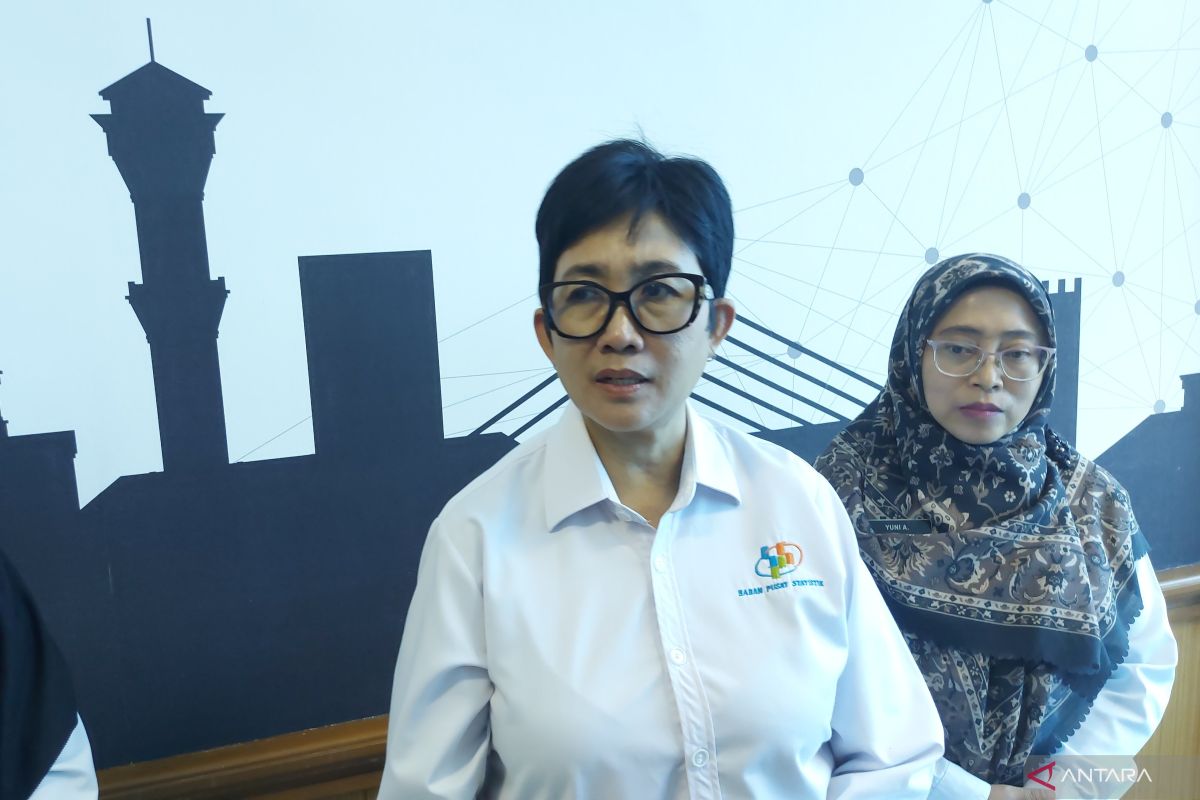
Head of the Central Statistics Agency (BPS) for West Java, Margaretha Ari Anggorowati, in Bandung on Tuesday, revealed that West Java’s TFR is now at 2.05. This figure is technically below the replacement level threshold of 2.1.
On average, there are two births per woman aged 15-49 years during her lifetime. This is mainly driven by a significant decline in birth rates among women in the 15-19 and 20-24 age groups.
BPS records Bandung City as the area with the lowest fertility rate (1.82), while Garut Regency remains the highest (2.32).
Although haunted by the ageing population phenomenon, infant health quality shows a major leap. The Infant Mortality Rate (IMR) is now at 12.84 per 1,000 live births, or more than half down compared to the 2010 Population Census data.
Currently, West Java’s population structure is still dominated by the working-age group (15-64 years) at 69.75 per cent, with the majority coming from Gen Z (25.22 per cent) and Millennials (24.76 per cent).
However, according to her, the increase in the elderly population, now led by Ciamis Regency (17.77 per cent), serves as an early warning for local governments.
“Mortality rates continue to decline, but there are still challenges with disparities between regencies/cities. Policies that prioritise inter-regional balance need to be considered,” said Ari.
On the other hand, BPS notes positive news from the social dimension through the improvement of the 2025 Gender Inequality Index (IKG) to 0.434, or a decrease of 0.024 points from the previous year. This decline indicates that gaps between men and women in the labour market and reproductive health are narrowing.
“West Java’s IKG has improved significantly since 2022. However, gender inequality in West Java is still quite wide, but it is increasingly improving,” said Ari.
Tasikmalaya City becomes the “star” in equality matters with the deepest inequality reduction of 0.151 points. Conversely, Sumedang Regency experienced the highest increase in inequality due to a decline in women’s Labour Force Participation Rate (TPAK).