
BPS: Rice Production January-May 2026 Falls 2.22 Percent to 16.57 Million Tons
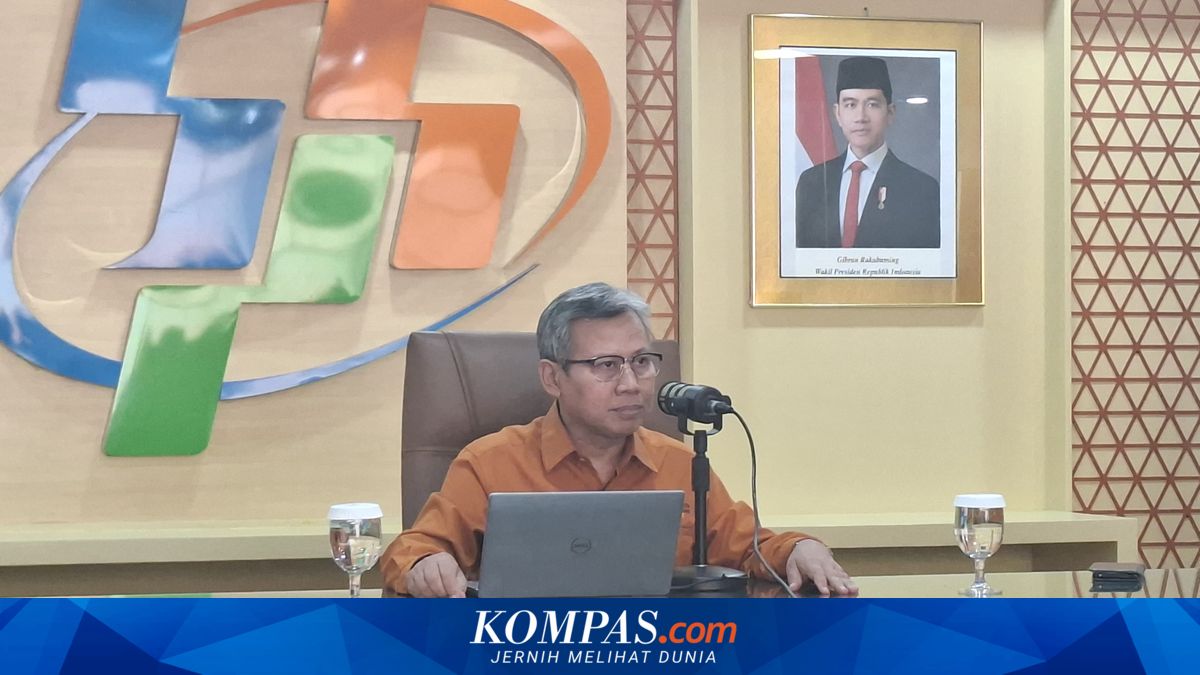
JAKARTA, KOMPAS.com - The Central Statistics Agency (BPS) reports that national rice production for the period January to May 2026 is estimated to reach 16.57 million tons. This figure represents a decline of approximately 380,000 tons or 2.22 percent compared to the same period in 2025. Deputy for Distribution and Services Statistics at BPS, Ateng Hartono, stated that the decline in rice production aligns with the weakening of paddy production due to a reduction in the harvested area at the beginning of the year. “Thus, rice production for January to May 2026 is estimated at 16.57 million tons, or a decrease of 2.22 percent compared to the same period in 2025,” Ateng said during a press conference on Wednesday (1/4/2026). This amount also experienced a 2.22 percent annual decline. Nevertheless, paddy production showed an increase in February 2026. BPS recorded production reaching 5.05 million tons of GKG (dry unhulled rice) or an increase of 27.41 percent compared to February 2025. However, the future production trend is expected to weaken and become the main factor pressuring total rice production in the early period of this year. BPS estimates the potential paddy production for March to May 2026 at 20.68 million tons of GKG or a decrease of 11.12 percent compared to the same period in the previous year. “The potential paddy production for March-May 2026 is estimated to decline, thus impacting the overall total rice production,” Ateng said. Furthermore, Ateng explained that this production decline is inseparable from the dynamics of the paddy harvested area. For the period January to May 2026, the harvested area is estimated at 5.35 million hectares or a decrease of 2.35 percent compared to the previous year. According to him, this potential figure still heavily depends on various field factors, especially crop conditions up to the harvest period. “Of course, this potential figure can still change depending on several crop conditions, such as pest attacks, flooding, drought, and shifts in harvest timing by farmers,” he explained. With these various uncertainties, BPS assesses that the realisation of future rice production could still experience changes, in line with developments in weather conditions and technical agricultural factors in the field.