
BPS Reveals Causes of Q1 2026 Economic Contraction of 0.77 Percent
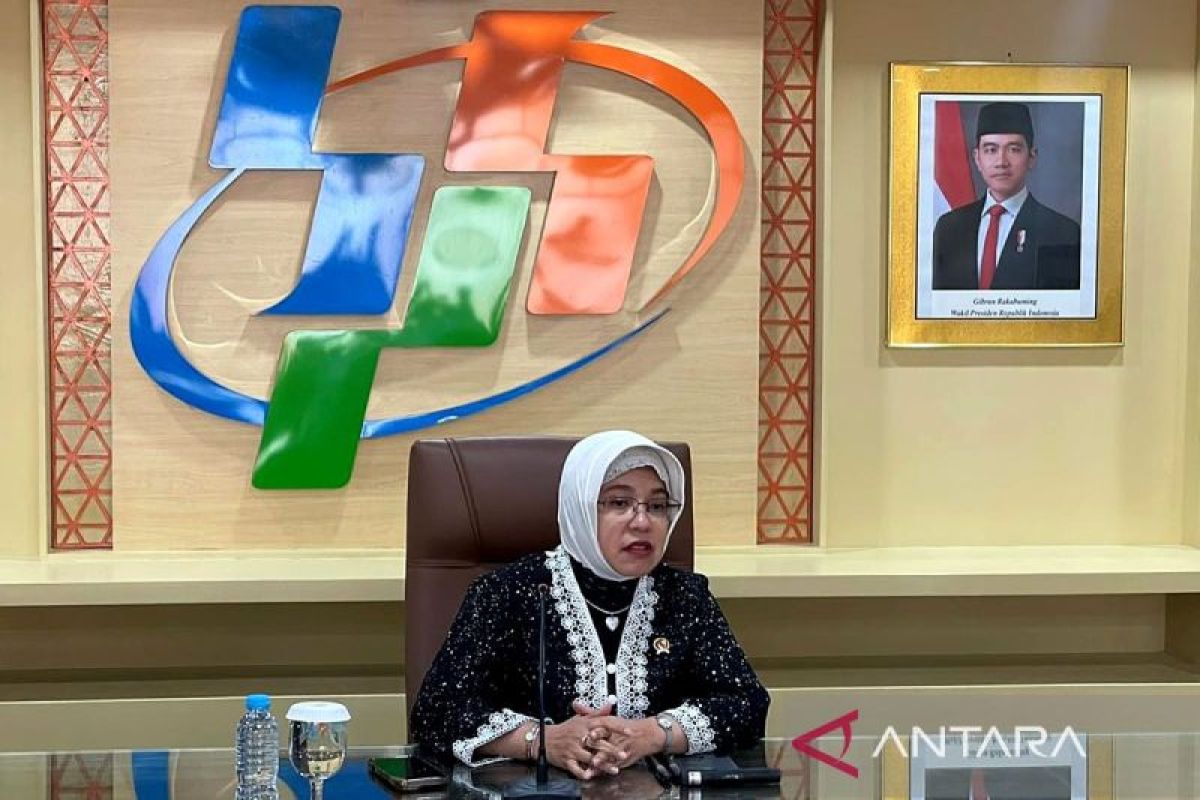
The Head of the Central Statistics Agency (BPS), Amalia Adininggar Widyasanti, has revealed several factors contributing to the 0.77 percent quarter-on-quarter contraction in Indonesia’s economic growth in the first quarter of 2026 compared to the fourth quarter of 2025.
According to her, one of the main factors stems from the government consumption component, which typically surges significantly at the end of the fiscal year. Government consumption in the fourth quarter of 2025 generally peaks in terms of spending realisation. Therefore, entering the new year, such as in the first quarter of 2026, there is a decline when compared to the previous period.
“Of course, from the expenditure side, government consumption also experienced a decline compared to the fourth quarter of 2025 because the fourth quarter of 2025 is the end of the fiscal year when government budget realisation usually peaks in the fourth quarter,” said Amalia during the release of Indonesia’s economic growth data in Jakarta on Tuesday.
In addition, the contraction was also influenced by the performance of the construction sector. She explained that infrastructure development and physical project activities are generally higher at the end of the year.
“If we look at the construction sector in the first quarter compared to the fourth quarter of 2025, it experienced a contraction because its mainstay is infrastructure projects and physical development, which usually, compared throughout the year, the fourth quarter is always the highest for physical work and infrastructure development,” Amalia clarified.
Meanwhile, Indonesia’s economic growth in the first quarter of 2026 still expanded by 5.61 percent year-on-year (yoy).
From the expenditure side, household consumption remained the main contributor with a growth source of 2.94 percent.
“Economic growth in the first quarter of 2026 was also supported by Gross Fixed Capital Formation (PMTB) with a growth source of 1.79 percent, while government consumption contributed 1.26 percent,” she stated.
Amalia detailed that household consumption was driven by increased public mobility during national holidays and major religious events such as Nyepi Day and Eid al-Fitr.
Furthermore, various government policies supported purchasing power, including transportation ticket discounts, the provision of holiday allowances (THR) or the 14th salary, and the BI rate policy at 4.75 percent.
Another component driving growth was PMTB, which grew by 5.96 percent, propelled by government investment in national priority projects and private sector investment.
Meanwhile, government consumption grew by 21.81 percent, in line with increased realisation of employee spending through THR payments as well as goods and services spending, including for the Free Nutritious Meals (MBG) programme.
From the business field perspective, BPS recorded five sectors with the largest contributions to gross domestic product (GDP) in the first quarter of 2026, namely manufacturing (19.07 percent), trade (13.28 percent), agriculture (12.67 percent), construction (9.81 percent), and mining (8.69 percent).