
BPS: Catastrophic illnesses trigger drastic decline in welfare levels
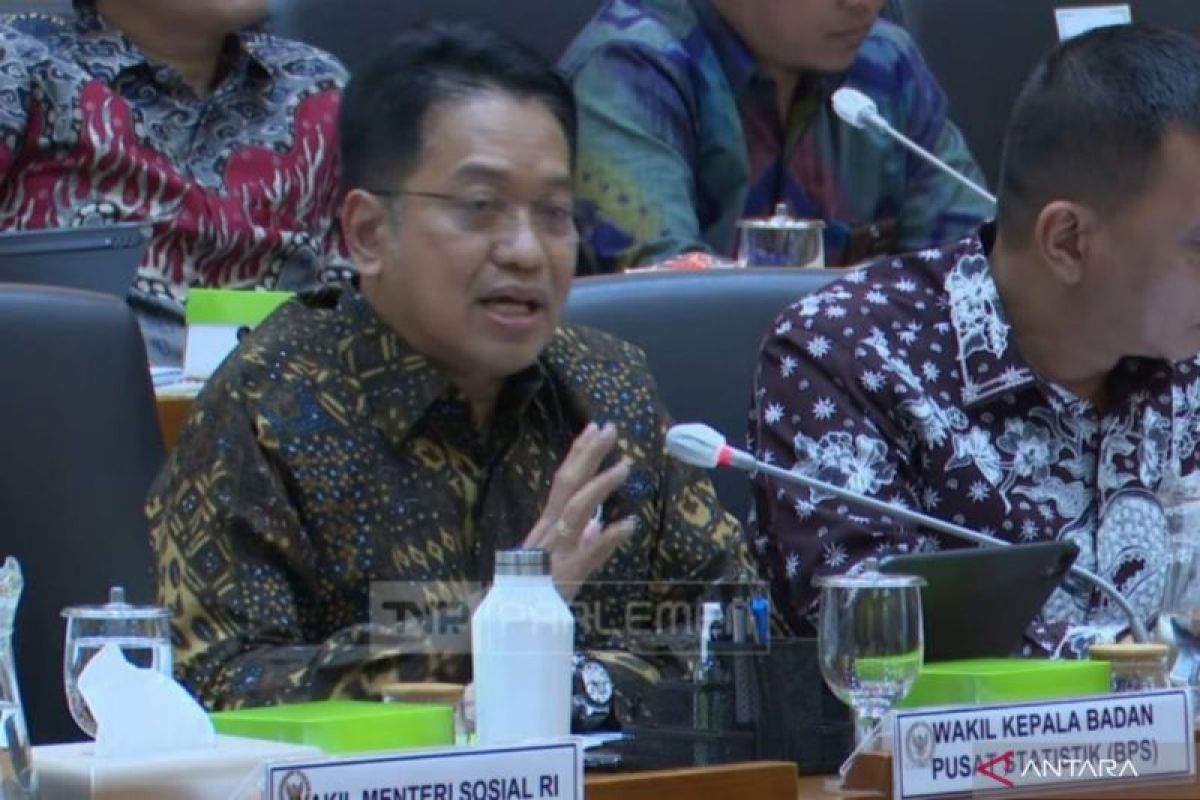
Jakarta (ANTARA) - The Central Statistics Agency (BPS) has revealed that health conditions, particularly catastrophic illnesses, are a triggering factor influencing the high dynamics of welfare level declines among Indonesia’s population in a short time. Deputy Head of BPS, Sonny Hari Budiutomo, stated during a hearing with Commission IX of the House of Representatives (DPR) in Jakarta on Wednesday that the latest data shows a decline in welfare levels for tens of thousands of citizens suffering from severe or catastrophic illnesses. According to Sonny, these findings prove that the economic profiles of communities in the field are highly fluctuating. Health problems requiring substantial costs can change a family’s socio-economic status in a relatively short period. “This shows that the dynamics of our population’s welfare are very high. So, within three to six months, welfare changes can occur, especially due to illness issues,” he said. Therefore, BPS continues to update the second-quarter DTSEN version for 2026 to capture these data changes precisely. This dynamic data is crucial for the government in determining the accuracy of health premium subsidy targets. Out of 11 million, there are 8.8 million premium assistance participants whose data still needs re-verification in this second quarter by the BPS team along with strategic partners such as the Family Hope Program (PKH) from the Ministry of Social Affairs to ensure that those whose economic levels have declined due to health conditions continue to receive state protection guarantees. “Progress as of this morning at 08.45 WIB, the number of families that have been ground-checked is 603,226 families across Indonesia. That means in two weeks, only 10.42 percent of the total. It should have been 2.37 million families completed by today. Yes, this is indeed our challenge if there are no additional staff,” he said. Sonny emphasised that adaptive data integration to the dynamics of citizens’ welfare in the field is the main key so that the national health insurance programme truly reaches the most needy communities.