
BPS Bali Assures Public That Economic Census Data Will Not Affect Taxes
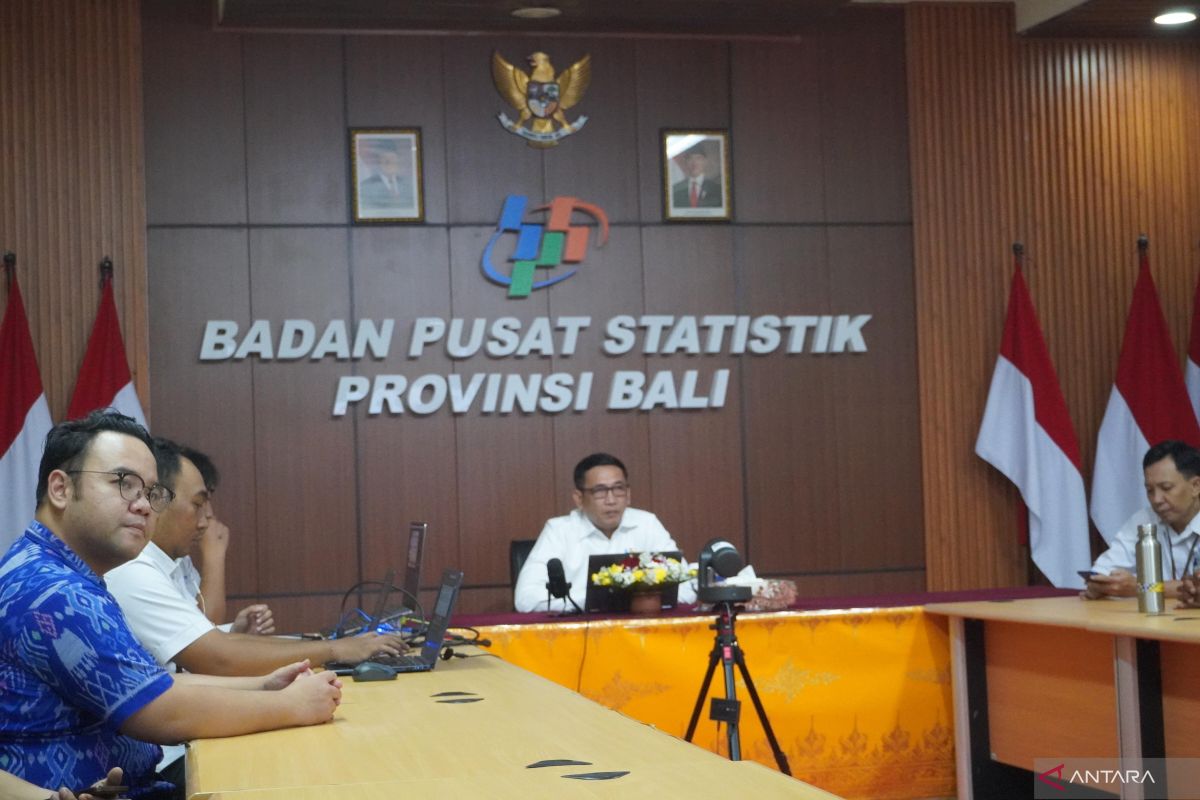
The Bali Central Statistics Agency (BPS) has assured the public that data collected for the 2026 Economic Census (SE) is not intended to influence taxation. “We understand the public’s concerns regarding the implementation of the 2026 Economic Census, but we need to emphasise that the purpose of the SE is not for tax assessment or supervision,” said Head of BPS Bali Agus Gede Hendrayana Hermawan in Denpasar on Wednesday. This statement was made in response to widespread concern on social media that the government is spying on the public’s economy through data collected by SE 2026, in order to subsequently raise taxes because their businesses are deemed to be doing well today. According to him, the data collected by BPS Bali is used solely for statistical purposes and development planning. Moreover, the 2026 Economic Census is not a new activity; it is the fifth iteration, conducted every 10 years since 1986. The practice is also identical to economic censuses in other countries, so BPS Bali is asking the public not to worry. “The 2026 Economic Census is a comprehensive data collection covering all sectors and business scales without exception. The resulting data forms a crucial foundation for understanding the economic structure, monitoring business developments, and supporting the formulation of data-based development policies,” he stated. Rather than affecting the taxes billed by the state, the answers provided by the public will instead be used by the government to capture a more complete picture of the number, characteristics, distribution, and structure of businesses in each region. With this data, the government can compile various economic indicators, including Gross Regional Domestic Product (GRDP), which is used to measure regional economic performance and growth. “The more complete and accurate the business data obtained through the Economic Census, the better the quality of the economic statistics produced, including GRDP. Consequently, local governments can formulate more targeted development policies, identify leading sectors, encourage investment, create jobs, and improve public welfare,” he said. For business actors, the processed results of this census are also believed to be useful for strengthening business planning, understanding market structure and potential, and identifying business development opportunities. “Thus, the Economic Census is not only a tool for development planning but also supports the growth and competitiveness of the business world, especially in Bali,” said Agus Gede. Beyond this, BPS Bali guarantees the confidentiality of data provided by the public to census officers, as respondent data protection is ensured by two layers of regulation: Law Number 16 of 1997 and Law Number 27 of 2022. “Therefore, we invite all residents and business actors in Bali to participate in the 2026 Economic Census by welcoming census officers, filling in data correctly, and keeping data confidential, as a joint effort to realise accurate and high-quality economic data,” he said.