
BPOM strengthens pharmacovigilance oversight through PerBPOM 4 of 2026
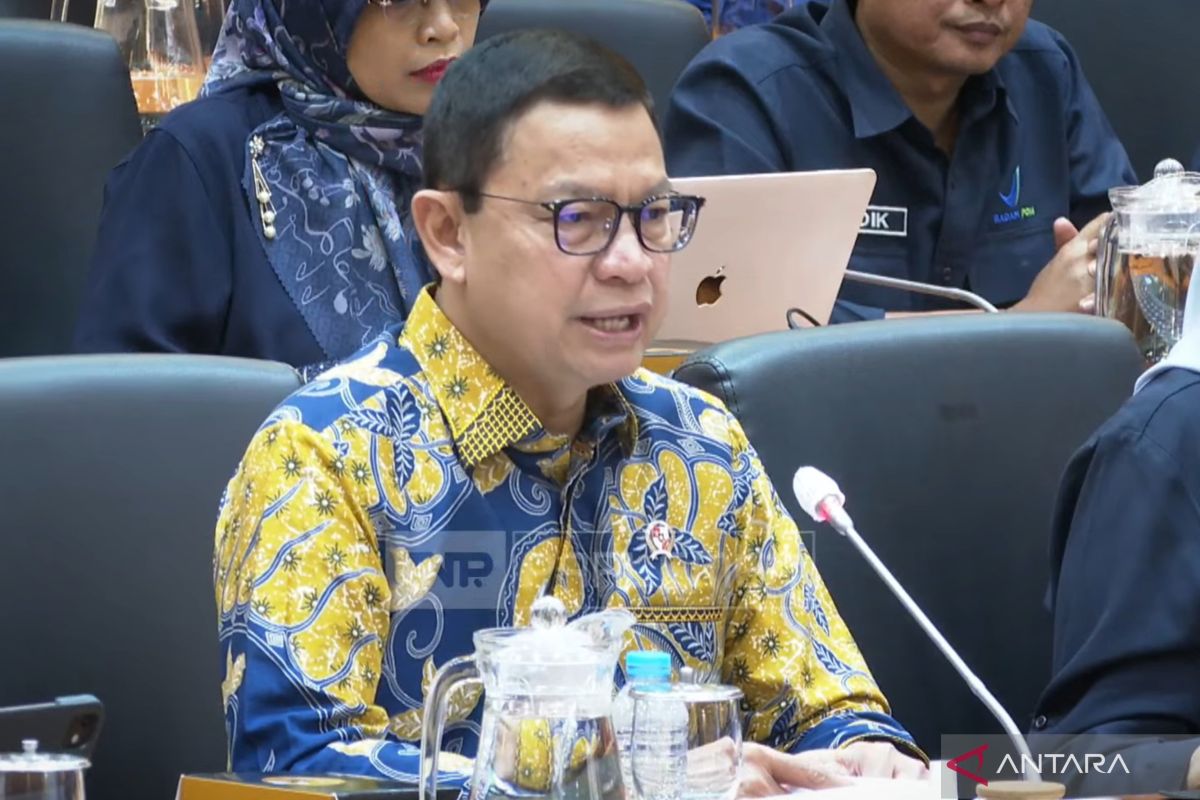
The Indonesian Food and Drug Supervisory Agency (BPOM) continues to strengthen efforts to protect the public, one of which is through BPOM Regulation No. 4 of 2026 on the Implementation of Pharmacovigilance to enhance the oversight of drug safety circulating in Indonesia.
BPOM Head Taruna Ikrar stated in Jakarta on Friday that the drafting of this regulation is also one of BPOM’s efforts to strengthen the pharmacovigilance system as required by the WHO in order to achieve WHO-Listed Authority (WLA) status.
“This regulation is one form of strengthening the post-market drug surveillance system in Indonesia to support the government’s priority programme in handling tuberculosis,” he said.
According to him, strengthening pharmacovigilance is an inseparable need in the modern drug surveillance system. As the development and use of drugs become increasingly complex, the post-marketing surveillance system must be stronger and more adaptive.
“Pharmacovigilance is key to ensuring that any risks that may arise from drug use can be detected and mitigated quickly and accurately,” said Taruna Ikrar.
He explained that pharmacovigilance encompasses activities including the detection, assessment, understanding, communication, control, and prevention of side effects or other issues related to drug use. This activity is an important part of post-market surveillance to ensure that the drugs used remain safe, effective, and of quality throughout their lifecycle.
Through this regulation, BPOM emphasises the obligations of marketing authorisation holders to carry out pharmacovigilance activities comprehensively and continuously. Marketing authorisation holders are required to monitor drug safety, collect data on side effects or adverse events or post-immunisation adverse reactions, and submit pharmacovigilance reports to BPOM in accordance with applicable provisions.
Marketing authorisation holders are obliged to prepare and submit risk management plans as part of the drug registration documents, as well as submit periodic post-marketing safety reports after the drug obtains marketing authorisation.
In addition, this regulation also expands the roles of various parties in the national pharmacovigilance system, starting from medical personnel and/or health workers, as well as encouraging public participation in reporting drug side effects.
In addition to strengthening the reporting aspect, this regulation also regulates cooperation between marketing authorisation holders and various parties, including healthcare facilities as well as third-party pharmacovigilance implementers.
“In order to ensure the availability of accurate and integrated data, BPOM also regulates the exchange of drug safety information between marketing authorisation holders with distributors, importers, and exporters,” he said.
The data and reports received will be analysed and evaluated by BPOM to determine the necessary control measures. Such follow-up may include product information updates, implementation of additional safety studies, and restrictions on drug use.
Not only that, follow-up is also carried out up to temporary suspension or revocation of marketing authorisation. This follow-up is carried out if significant risks to patient safety are found that cannot be mitigated by other control measures.
As a form of regulatory enforcement, BPOM imposes strict administrative sanctions on marketing authorisation holders who do not fulfil pharmacovigilance obligations, ranging from warnings to other actions in accordance with statutory provisions, to ensure compliance.
With the issuance of this regulation, BPOM hopes that the pharmacovigilance system in Indonesia will become stronger, more responsive, and integrated.