
BPOM Secures WHO Listed Authority Status, Multiple Countries Keen to Learn from Indonesia
Jakarta – The Indonesian Food and Drug Administration (Badan Pengawas Obat dan Makanan/BPOM) has been officially designated by the World Health Organization (WHO) as a WHO Listed Authority (WLA) for the regulation of medical products, including vaccines. This recognition places BPOM on an equal footing with leading regulatory authorities in developed nations, such as the Therapeutic Goods Administration (TGA) of Australia.
Following this achievement, William Adi Teja, Deputy for Drug, Narcotics, Psychotropics, Precursor, and Addictive Substance Supervision at BPOM, noted that several countries have expressed interest in learning from Indonesia’s regulatory framework.
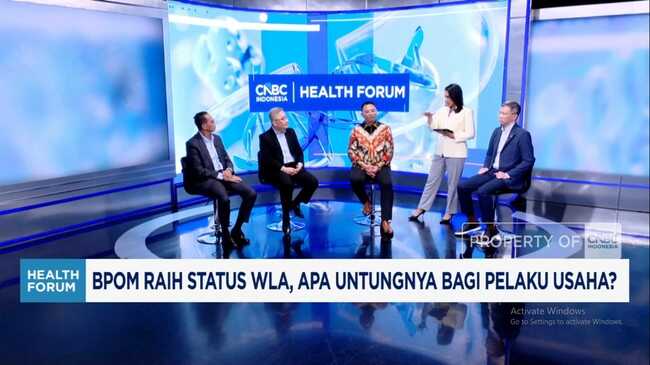
“Many countries have visited BPOM, for instance nations from the Middle East and Asia who wish to learn how to achieve WHO Listed Authority status,” he stated at the CNBC Indonesia Health Forum on Friday, 27 February 2026. “They want to learn—whether Japan, Singapore, Pakistan, or African nations—how to enter the WLA and gain WHO recognition as efficiently as possible,” he added.
William explained that this status positions BPOM not merely as a regulator but as a contributor to national economic growth, which is targeted at 8 percent expansion. “Indonesia’s pharmaceutical sector grew by 10 percent last year. This means that the 10 percent growth can support overall economic expansion in Indonesia,” he elaborated.
William also expressed hope that the WLA status would enable local pharmaceutical manufacturers and industry to access global markets.
The WLA status represents a significant milestone, making Indonesia the first developing country whose regulatory system has been recognised as meeting the highest global standards. Countries holding WLA status gain international recognition, allowing their pharmaceutical and vaccine products to be included in the list of products recommended by the WHO.
The achievement of WLA status is expected to yield several strategic benefits for Indonesia, including increased domestic pharmaceutical production to support self-sufficiency in medicines and vaccines, promotion of product exports—both of which will strengthen Indonesia’s economy—support for more resilient supply chains, particularly during health emergencies, and enhanced international reputation in the arena of global health diplomacy. Furthermore, this achievement is intended to inspire other low- and middle-income countries to strengthen their national regulatory systems towards global standards.