
BPOM: Regulation and Collaboration Drive Innovation in National Advanced Therapy Medicinal Product Development
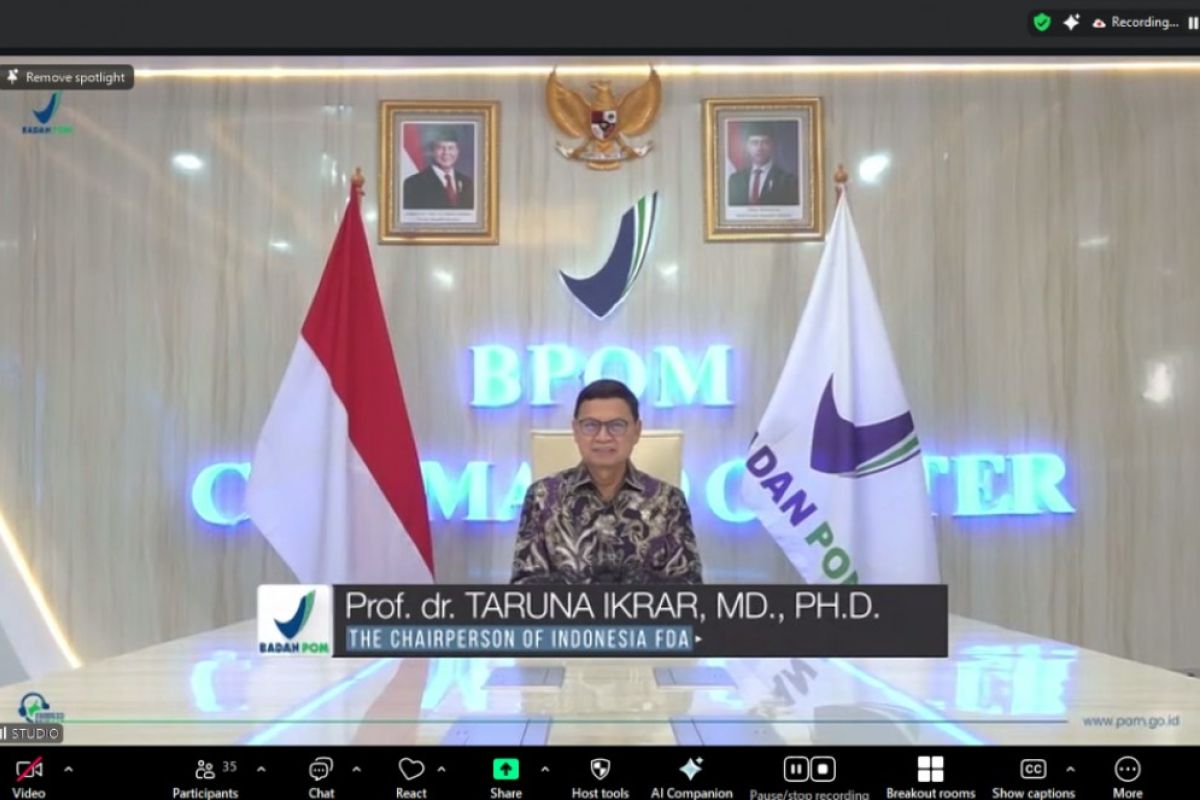
Jakarta — Indonesia’s drug and food authority (BPOM) has stated that regulation and collaboration between academia, business, and government (ABG) are crucial in developing advanced therapy medicinal products (ATMPs), which are increasingly dominating global markets.
“The ATMP market is showing dynamic growth. In 2025, the ATMP market share is projected to be dominated by cell therapy and chimeric antigen receptor T-cell (CAR-T) therapy and similar therapies reaching approximately 55.2 per cent, followed by gene therapy at approximately 44.8 per cent,” said BPOM Head Taruna Ikrar in Jakarta on Monday.
To this end, regulators such as BPOM are strengthening regulatory preparedness to ensure public health protection whilst facilitating access to safe, effective, and high-quality innovative therapies.
In response to these developments, BPOM has issued BPOM Regulation No. 8 of 2025 on Guidelines for the Assessment of Advanced Therapy Products. The regulation establishes criteria for ATMP products that must obtain marketing authorisation, the requirements for obtaining such authorisation, and specific provisions concerning the preparation of Risk Management Plan (RMP) documentation and pharmacovigilance activities.
The guidelines were developed by reference to various international standards, ranging from those published by the World Health Organization (WHO) to Japan’s Pharmaceuticals and Medical Devices Agency (PMDA).
The issuance of this regulation not only addresses the challenges posed by advances in technology-based therapy but also forms part of BPOM’s commitment to supporting national pharmaceutical industry independence through the development of drug innovations, including advanced therapy products.
Ikrar emphasised that to support the evaluation process before and after product market distribution, clear regulations, standards, and guidelines are required. These serve as benchmarks for both regulators and industry players in meeting the requirements for product development, approval, and monitoring.
“Going forward, BPOM is opening opportunities for broad ABG collaboration. We want to support this development because our spirit and motivation is to help all Indonesians. This is not just about protecting life in Indonesia, but also contributing to protecting life globally,” he said.
In evaluating the development of drugs and innovative therapies, BPOM does not work alone. In the evaluation process, BPOM also involves experts to provide scientific input on various innovation products under development, including regenerative therapies.
During the same event, the BPOM Head also outlined BPOM’s newly acquired WHO-Listed Authority (WLA) status. This status demonstrates the high level of trust the global community has in Indonesia’s regulatory system.
Countries that obtain WLA status are recognised internationally, allowing pharmaceutical products and vaccines from those countries to be included in the list of products recommended by the World Health Organization (WHO).
“WLA status further enhances Indonesia’s reputation in the world’s eyes. Countries included in the WLA list are recognised internationally, so their products have greater opportunities for acceptance in various countries,” he said.