
BPOM Pushes for Domestic Production of Medicines and Vaccines: Here's Why
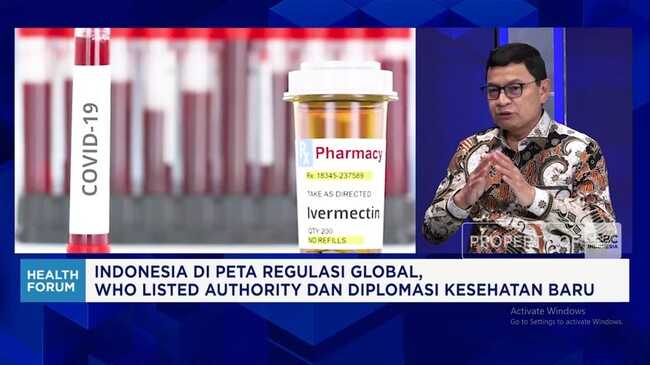
Jakarta – Indonesia’s drug and food regulatory agency (BPOM) is committed to continuing efforts to promote domestic production of medicines and vaccines. This aligns with BPOM’s recent achievement of WHO Listed Authority (WLA) status for medical product regulation (vaccines), a designation set by the World Health Organization.
BPOM Head Taruna Ikrar stated that the availability of medicines, pharmaceuticals, and vaccines constitutes part of national resilience and therefore remains important to maintain public health.
“I believe obtaining this WHO Listed Authority (WLA) status brings clear benefits. One key advantage is the ability to produce significantly more than before and sell to even wider markets,” Ikrar said during the Health Forum titled “BPOM Achieves WLA Status, What’s the Benefit for Business Operators?” on Friday, 27 February 2026.
Ikrar cited the example of polio-related vaccines, which are currently produced for 1.5 billion people and distributed to nearly 150 countries. This demonstrates how production previously limited in scope can now be sold far more widely.
Indonesia recently received recognition from the global health authority, obtaining WHO Listed Authority (WLA) status for medical product regulation, particularly vaccines. This announcement came at the end of last year, placing BPOM on equal footing with leading global regulatory authorities.
This recognition is significant as Indonesia becomes the first developing nation whose regulatory system is recognised as meeting the highest international standards. The WLA status was obtained through rigorous scientific evaluation conducted between 2023-2025 and confirms BPOM’s capacity to ensure the safety, quality, and efficacy of medicines and vaccines.
“There is what we call clinical trial oversight. Supervising these clinical trials becomes a gateway that makes pharmaceutical and vaccine producers worldwide view Indonesia as the most comfortable and best place to conduct trials,” Ikrar explained.
“This means when clinical trials are conducted here with positive results and we approve them, products from Indonesia can be distributed worldwide,” he added.