
BPOM: Collaboration with 2026 Economic Census to Boost Data Quality in Drugs and Food Sector
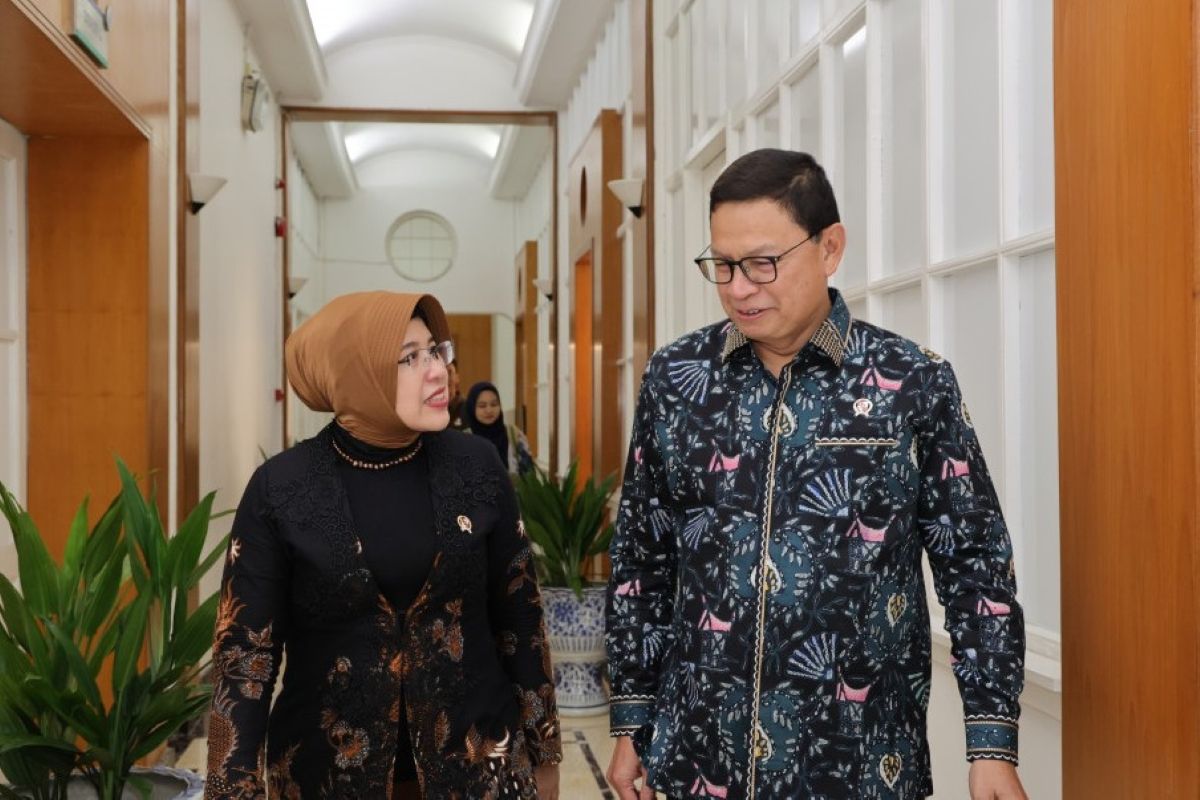
Jakarta (ANTARA) - The National Agency of Drug and Food Control (BPOM) has stated that it is reinforcing its synergy with the Central Statistics Agency (BPS) in preparation for the 2026 Economic Census (SE2026) to strengthen the quality of national data, particularly in the drugs and food sector.
BPOM Head Taruna Ikrar highlighted the agency’s readiness to provide full support for the implementation of SE2026, especially in data collection for the industrial sector under BPOM’s oversight, namely drugs, processed foods, cosmetics, traditional medicines, and health supplements.
“Data on industries managed by BPOM plays an important role in the national economic structure, particularly in the processed food sector,” he said in Jakarta on Tuesday.
According to him, the availability of comprehensive data down to the field level will strengthen planning, implementation, and evaluation of oversight, while also supporting the development of business actors, including micro, small, and medium enterprises (MSMEs).
Previous cooperation between BPOM and BPS has been established through various activities, from developing survey methodologies and assisting with data analysis to utilising statistical data services. The two agencies have also signed a memorandum of understanding regarding the provision and development of statistical data in the field of drug and food oversight.
In agreement, BPS Head Amalia Adininggar Widyasanti assessed that the synergy with BPOM will enrich the quality of sectoral data, which is an important part of the national economic picture.
Amalia explained that SE2026 is a legislative mandate that requires cross-sectoral support, including from BPOM. According to her, the census results will have a broad impact on the government in formulating data-based policies.
“The results of the economic census will complement the national economic data base that is greatly needed,” she said.
Furthermore, the agency is adopting cutting-edge statistical methodologies that combine conventional approaches with the utilisation of big data and data science technologies.
BPS also serves as the regional hub for the United Nations on big data and data science in the Asia-Pacific region, while committing to become a global benchmark in developing technology-based innovative statistical methodologies.
The two parties agreed to continue strengthening coordination and minimising data gaps, to ensure that information exchange runs more effectively and efficiently, thereby supporting public protection as well as the growth of the drugs and food industry in Indonesia.