
BPOM Approves Nutri-Level Labelling on Processed Food Products to Limit GGL
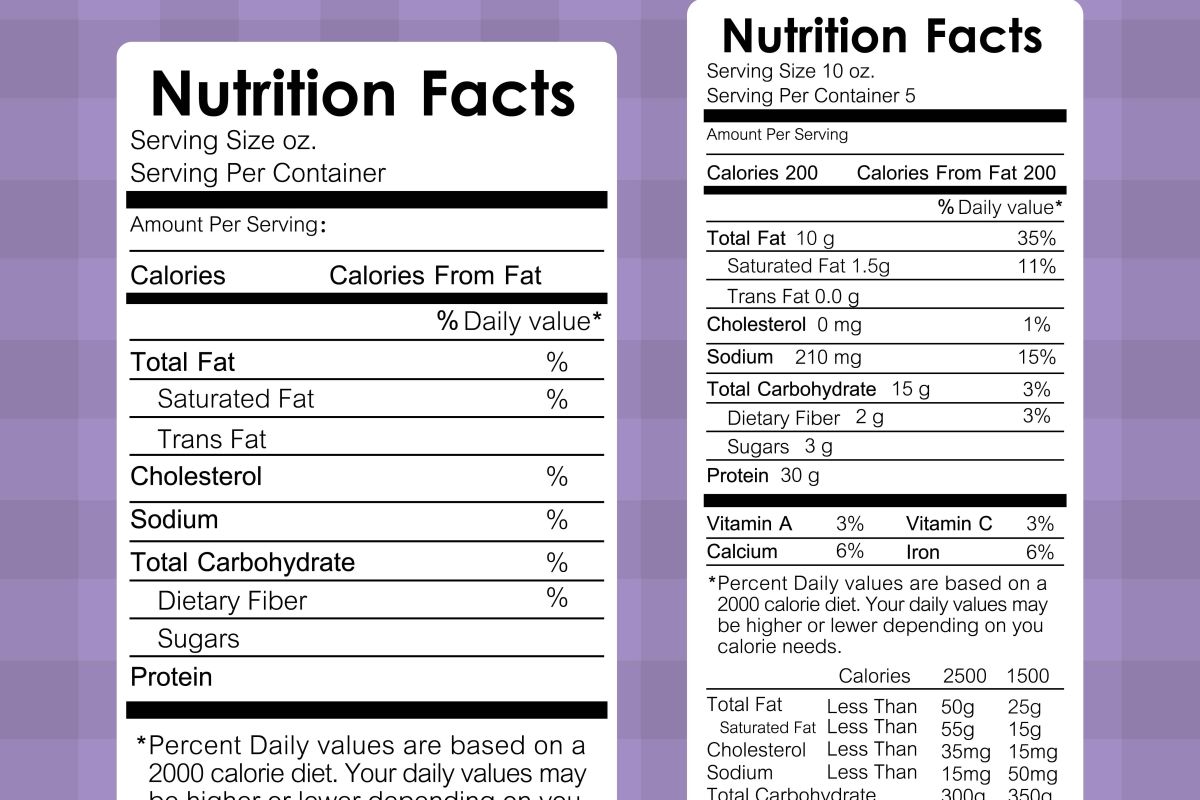
Head of the National Agency of Drug and Food Control (BPOM), Taruna Ikrar, has signed the Draft Revision of the BPOM Regulation on Nutritional Value Information on Processed Food Labelling. This revision serves as a form of control for Non-Communicable Diseases (NCDs) through limiting the consumption of sugar, salt, and fat (GGL), which is one of the factors contributing to NCDs in Indonesia.
The signed draft revision adds provisions regarding the inclusion of Nutri-Level on the front-of-pack nutrition labelling (FOPNL). Nutri-Level is a nutritional labelling system to be implemented in Indonesia to assist the public in selecting healthier food products.
Nutri-Level indicates the level of processed food based on GGL content. The inclusion of Nutri-Level is marked by letters A to D, followed by colour indicators showing the levels of GGL content.
“With Nutri-Level labelling, it is hoped that public awareness in choosing healthier products can be increased,” said Taruna Ikrar in his statement on Tuesday (7/4).
He emphasised that the inclusion of Nutri-Level is not a prohibition on consuming a processed food product. However, it serves as a simple guide for the public to more easily compare and recognise healthier processed food product choices.
Similarly, for business actors, the Nutri-Level policy is not intended to restrict business actors in producing and distributing processed foods.
“It is hoped that this policy can be utilised by business actors as a business opportunity, to become pioneers in creating a trend of healthier processed food consumption,” he explained.
The preparation of the regulation revision was carried out by applying good regulatory practices (GRP) principles. This draft regulation has also undergone a public consultation stage involving various stakeholders, including ministries/agencies, professional organisations, civil society organisations, business actors, and business associations. The draft regulation will next enter the harmonisation stage, which is the process of aligning the substance of the draft legislation.
The inclusion of Nutri-Level on processed foods is planned to be implemented gradually, with the initial target being beverage products. This policy will be applied voluntarily with a transition period before becoming mandatory, to provide adaptation time for business actors to implement this policy.
BPOM is committed to continuing to listen to input, evaluate implementation, and ensure that the Nutri-Level policy implementation runs proportionally and benefits all parties. BPOM will also continue to consider the needs of business actors, who are strategic partners in realising a healthier food environment.
The obligation to implement Nutri-Level will also be aligned between processed foods regulated by BPOM and ready-to-eat processed foods regulated by the Ministry of Health.