
BPOM and China to Sign MoU, Discussing Vaccines and Technology Transfer
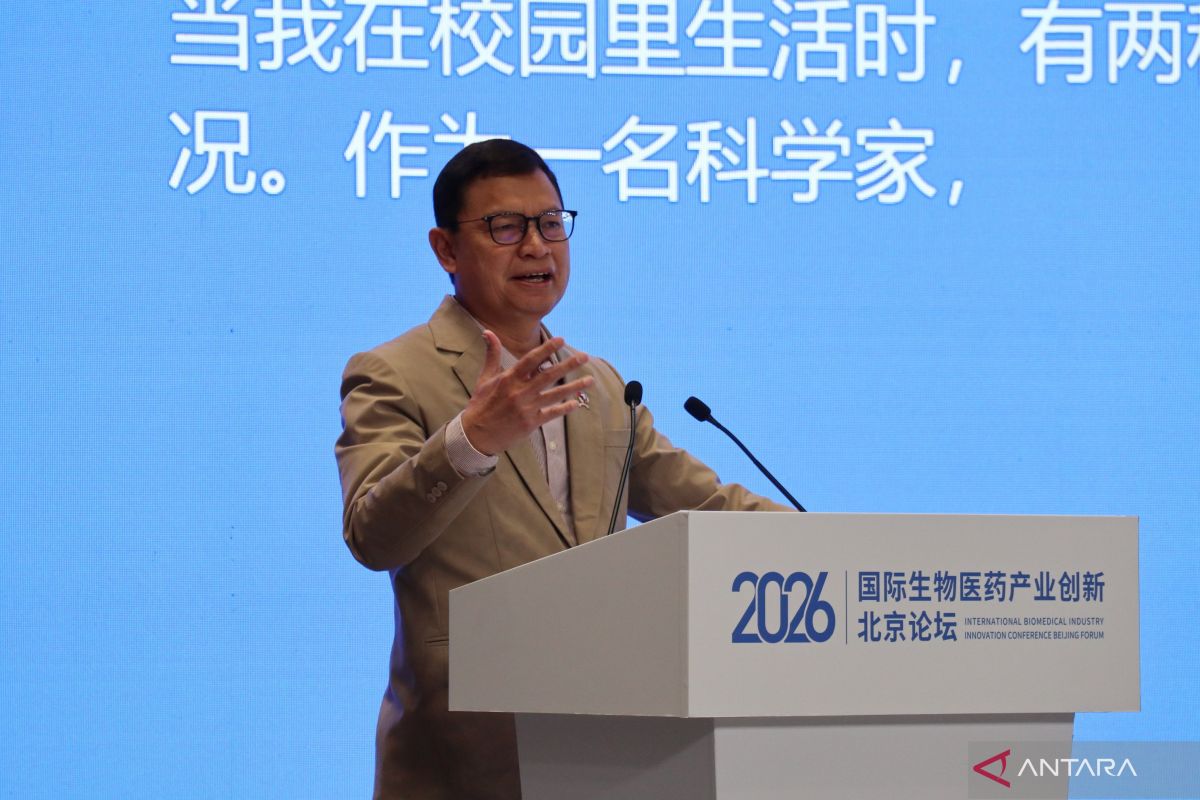
The Head of the Indonesian Food and Drug Authority (BPOM), Taruna Ikrar, has stated that Indonesia will soon establish an agreement with China to regulate matters concerning medicines and food safety.
“Yesterday’s meeting with the National Medical Product Administration (NMPA), or China’s BPOM, went well, ensuring that the Memorandum of Understanding (MoU) between BPOM Indonesia and the NMPA will be ratified soon. The draft is complete, and we will sign it shortly,” Taruna Ikrar told ANTARA in Beijing on Sunday.
The MoU between BPOM and the NMPA previously expired in June 2024. BPOM is currently pushing for an updated cooperation with a broader scope, including regulations for medicines, vaccines, biological products, pharmaceutical raw materials, natural medicines, cosmetics, and digital regulatory technology.
“God willing, we will present this during the APEC high-level meeting between President Prabowo and President Xi,” Ikrar said.
The contents of the MoU between BPOM and the NMPA include regulations, investment, safety, quality, and efficacy, as well as more specific provisions regarding technology transfer.
“Certain technologies, such as vaccine technology specifically from China, will invest in Indonesia. On the other hand, Indonesia possesses experts particularly related to drug management certification because BPOM is WHO-listed, meaning our manufacturing standards are already very high,” Ikrar explained.
As a WHO-Listed Authority (WLA), BPOM strengthens Indonesia’s position within the global regulatory system. Through the ‘reliance’ mechanism, BPOM can utilise the assessment results of established regulators as a reference, while still conducting its own assessment process, though this does not constitute direct recognition.
“If implemented, it is hoped that pharmaceutical industries in China can obtain Good Manufacturing Practice (GMP) certificates from Indonesia, or certificates for good drug or food manufacturing practices, as China has not yet achieved this (WHO certification),” Ikrar noted.
In addition to meeting with the NMPA, Ikrar also served as a speaker at the ‘International Biomedical Industry Innovation Conference Beijing Forum’ organised by Tsinghua University. He also presented material for the ‘AI + New Medical Technology Conference’ session.
“I presented the concept of artificial intelligence applications in the implementation of what we call Advanced Therapeutic Medicinal Products (ATMP) and their various derivatives,” Ikrar added. ATMPs are medical products containing active substances derived from cells or tissues used for the treatment, prevention, or diagnosis of diseases, which can be classified into gene therapy, cell therapy, and tissue-engineered products such as stem cells, secretomes, and organ tissue engineering.
“Tsinghua University is one of the best universities in the world. I hope that technology can be developed from there for Indonesia, and there will be exchanges for human resource development,” Ikrar said.
Another agenda for Ikrar and the BPOM team included visiting several industries.
“For example, several pharmaceutical, food, and capsule development industries. It is hoped that before I return to Jakarta, there will be Chinese investment in Indonesia, particularly to address our dependence on pharmaceutical raw materials, which currently exceeds 90 per cent. The hope is that there will be technology transfer,” Ikrar explained.