
BPKW XIV Promotes Local Iftar Tradition as UNESCO Intangible Cultural Heritage
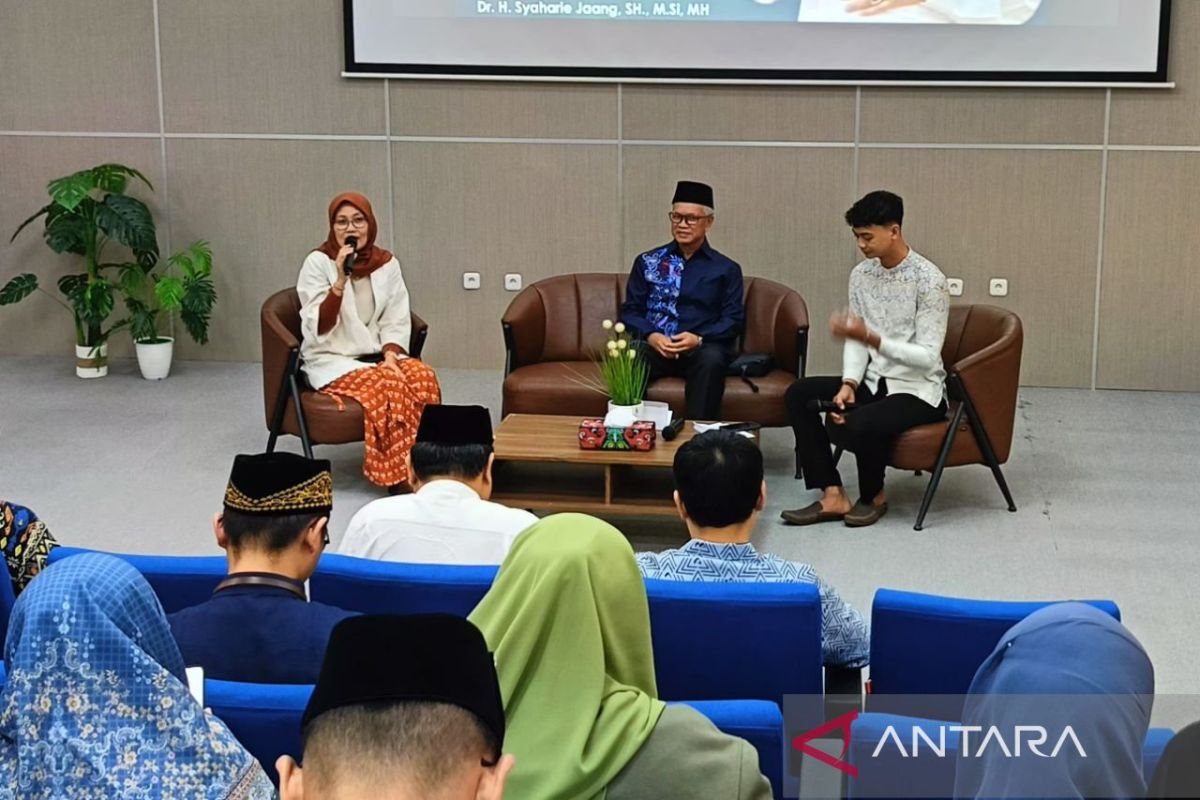
Samarinda — The Cultural Preservation Office (BPKW) XIV for East and North Kalimantan is promoting the tradition of breaking fast (iftar) based on local wisdom for registration as Intangible Cultural Heritage with UNESCO.
“This step by the ministry aims to expand registration so that the iftar tradition in Indonesia is also registered globally, following a similar proposal from Iran,” said Titit Lestari, Head of BPKW XIV East and North Kalimantan, during a cultural dialogue titled “Iftar in the Cultural Perspective of Indigenous Communities of East Kalimantan” held in Samarinda on Friday.
In the dialogue involving thirty-three local cultural entities and figures, Lestari highlighted the region’s unique diversity, ranging from the custom of waking for pre-dawn meal using sirens in West Sumatra to the call to prayer echoing across Kalimantan.
The preservation effort also inventories distinctive culinary treasures that support iftar and carry historical significance, such as bubur peca (rice porridge), kue talam (steamed cake), penganan jenderal mabok (a traditional sweet), and amparan tatak (a local delicacy).
Lestari observed the strong enthusiasm of East Kalimantan’s community in preserving this collective culture, evidenced by the difficulty in finding reservation slots for communal iftar gatherings during the holy month.
She noted that interfaith brotherhood is deeply felt in her surroundings, where the organising committees for iftar events are often coordinated voluntarily by non-Muslim residents.
“The spirit of kinship reflected in the frequency of iftar invitations — up to four times daily — demonstrates that iftar is a binding force for the diversity of East Kalimantan’s residents,” she said.
Accordingly, the dialogue reflecting local wisdom is expected to generate comprehensive input so that the essence of togetherness during Ramadan can continue to be passed on intact to younger generations.