
BPKH: Revision of the Hajj Finance Law a Momentum to Strengthen the Role of Subsidiaries
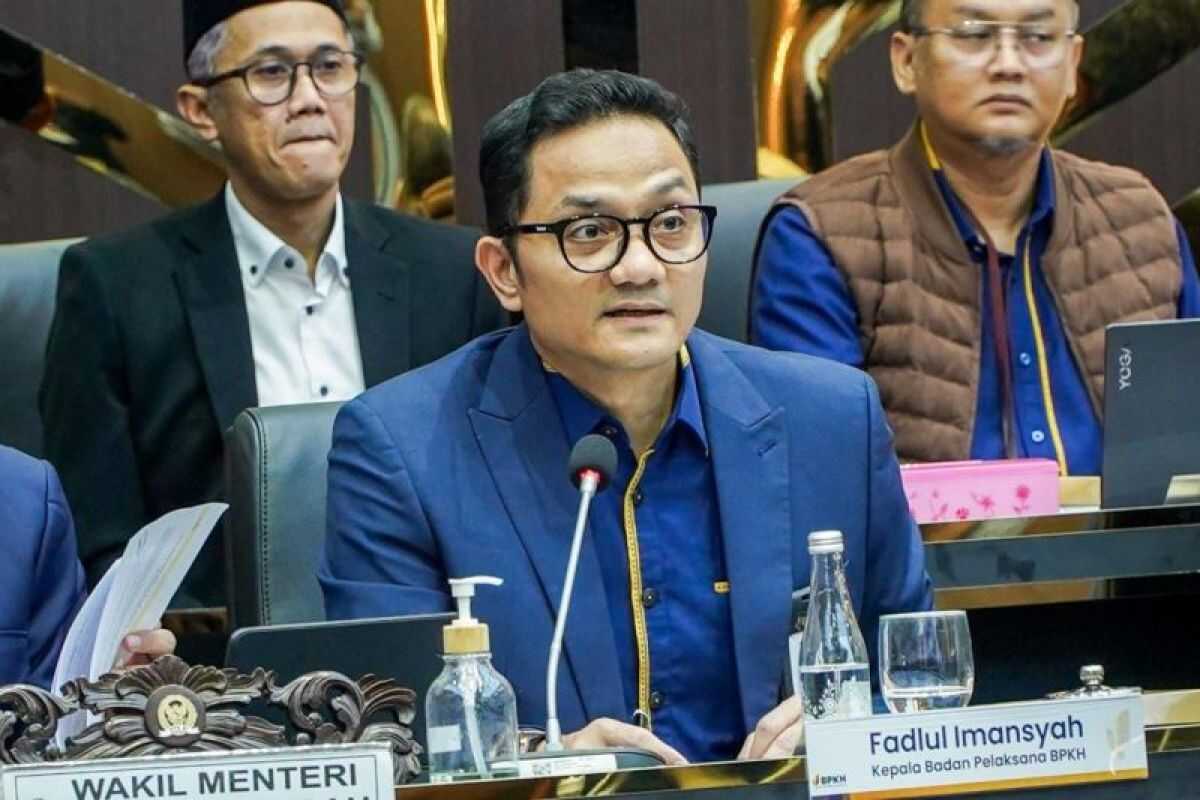
The Hajj Financial Management Agency (BPKH) views the revision of the Law on the Management of Hajj Finance as a strategic moment for the agency to strengthen governance and investment flexibility, as well as the role of its subsidiaries. “This step focuses on strengthening the role of subsidiaries as instruments for direct investment abroad, in order to optimise the value of Hajj funds and build synergy between national economic strength and international partnerships,” said the Head of the BPKH Implementing Agency, Fadlul Imansyah, in Jakarta, Thursday.
Fadlul explained that the development of BPKH’s subsidiaries in Saudi Arabia is focused on two main pillars, namely the integration of national investment with Danantara and the BUMN group, and institutional collaboration with the Ministry of Hajj and Umrah of Saudi Arabia.
According to Fadlul, collaboration with Danantara is a strategic step to integrate Indonesia’s investment power on the global stage.
Meanwhile, Member of the BPKH Implementing Agency for Direct Investment, M. Arief Mufraini, said that this collaborative approach will strengthen Indonesia’s bargaining position. According to him, synergy with Danantara and BUMN allows for the formation of a stronger and more measurable co-investment scheme.
“With the right investment structure, we can ensure strategic control, disciplined risk management, and the creation of long-term value. This also opens up opportunities for the participation of competent national private sector players,” said Arief.
Furthermore, it opens access for the national private sector which has high competitiveness and good governance standards, namely the implementation of risk management in accordance with the best international institutional practices.
“At the international level, BPKH strengthens the role of its subsidiaries through constructive cooperation with the Ministry of Hajj and Umrah of Saudi Arabia. This step is important to align investment with regulations and the direction of development of the Hajj ecosystem in the Holy Land,” said Arief.