
BPKH and Muhammadiyah Strengthen Green Hajj Campaign to Promote Environmental Stewardship Among Pilgrims
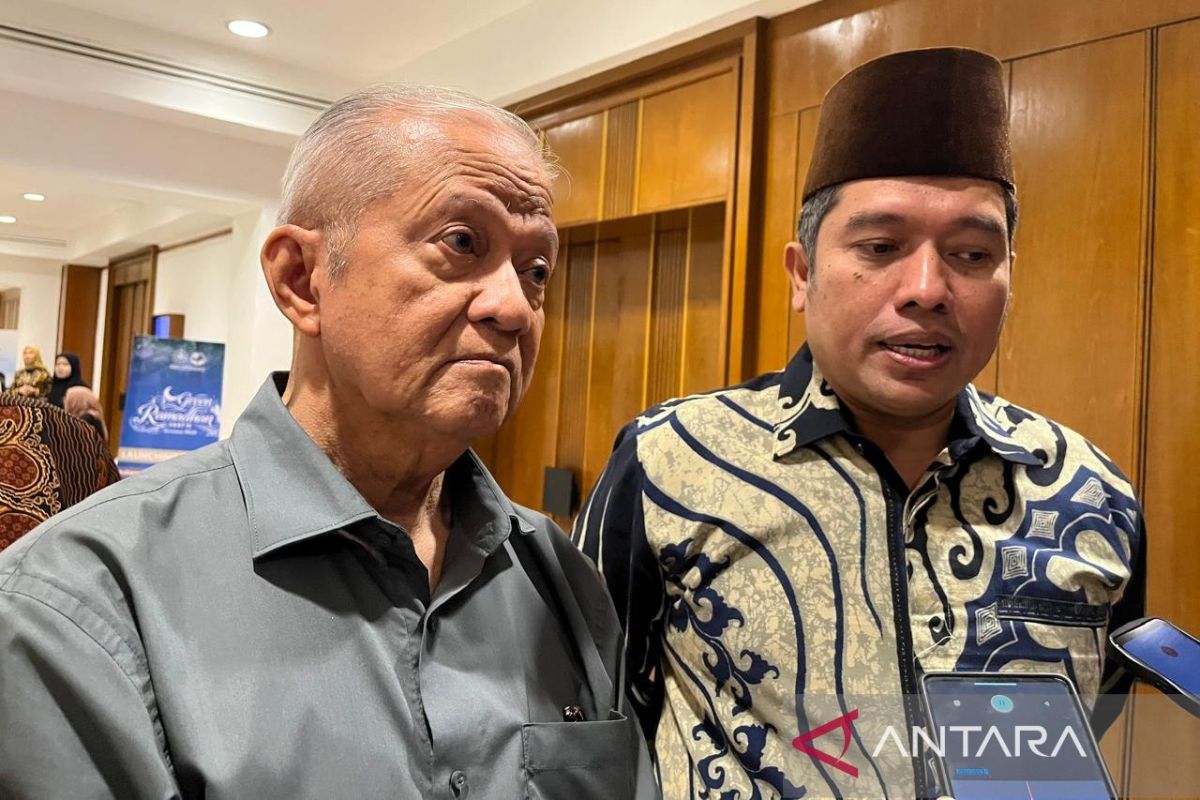
Jakarta (ANTARA) – The Hajj Financial Management Body (BPKH) together with the Muhammadiyah Central Leadership continues to strengthen the Green Hajj campaign as an effort to encourage pilgrims to care for the environment, mindful that humans and nature are an inseparable unity.
“We are developing the concept and publishing a Green Hajj book which is important so that pilgrims understand that the performance of hajj can also be conducted in an environmentally friendly manner in accordance with the values taught by the Prophet Muhammad,” said Harry Alexander, a member of the BPKH Executive Board, in Jakarta on Friday.
Harry explained that the Green Hajj concept aims to build environmental awareness among pilgrims so that they perform a mabrur hajj—one that possesses responsibility towards the environment throughout their lifetime.
According to him, the Green Hajj Guidebook, which has been compiled together with the Environmental Affairs Council of Muhammadiyah Central Leadership, will be translated into English and Arabic so that it can become an international reference.
“The Green Hajj Guidebook will be translated into English and Arabic. This will be an example from Indonesia for the international world,” he said.
According to him, tree-planting waqf (Islamic endowment) can be conducted through sukuk-based investment schemes that also provide economic benefits to the community.
“The trees planted can be conservation plants or cultivated crops. For example, if we purchase 100 hectares of land planted with coconuts, then each month it could generate approximately 40 million rupiah. Beyond economic benefits, we also gain biodiversity benefits,” he said.
He added that the environmental issue-based approach promoted through the Green Hajj programme also attracts the attention of young people, particularly Generation Z and millennials.
The approach style, which is relevant to young people’s lifestyles, includes inviting them to set aside a portion of their expenses to save for hajj through digital applications and banking services.
Meanwhile, Muhammadiyah Central Leadership Chairperson Anwar Abbas stressed that Indonesia’s waste problem has become very concerning and needs to be resolved from the source, namely at the household level.
“The waste problem is very worrying. If we speak from the source, then that means from the household. One thing that occurs to me is how waste can be processed with the aid of bacteria so that it can become compost,” said Buya Anwar Abbas.
He also urged the Environmental Affairs Council of Muhammadiyah Central Leadership to compile practical guidelines for the community in managing waste simply at the household level.
“The Council can create a book that teaches people how to process waste with bacteria, so that waste can be transformed into compost. This is important so that people have knowledge and a new culture in managing waste,” he said.