
BPJS Ketenagakerjaan Ensures JKK Programme Participants Receive Optimal Medical Care and Protection
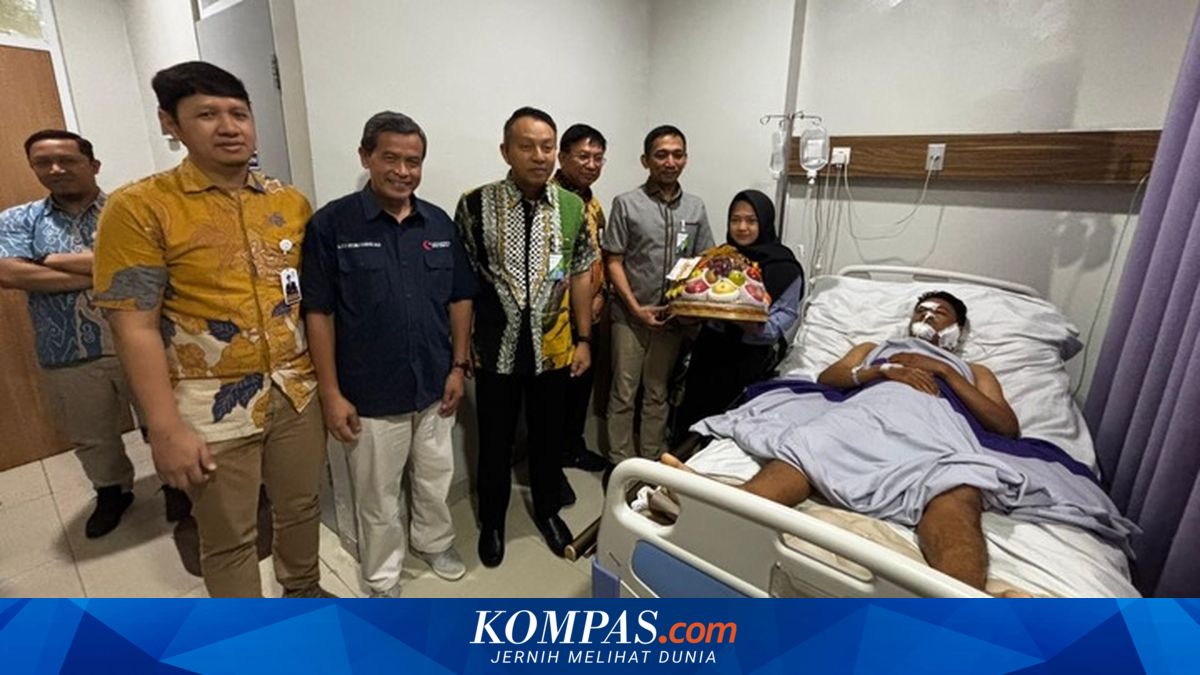
BPJS Ketenagakerjaan’s Director of Investment Development, Eko Purnomo, said that every participant in the Work Injury Insurance (JKK) programme will receive the best medical treatment and all protection rights optimally. He said this obligation is essential because every worker is a hero to their family, so their safety must be prioritised. He made the remarks while visiting Gilang (33), a BPJS Ketenagakerjaan participant who is currently undergoing treatment after a road traffic accident while carrying out his duties. In addition to free medical costs, Gilang is also entitled to receive the Santunan Sementara Tidak Mampu Bekerja (STMB) during the recovery period and until he is able to work again. The benefit is provided as income replacement to ensure Gilang’s family has income security during the recovery process. The visit was warmly received by Gilang’s family, who also appreciated the support from BPJS Ketenagakerjaan and RS Permata Cirebon for the best service during his care. “Alhamdulillah, thank you BPJS Ketenagakerjaan as the treatment costs have been greatly helped. Thanks also to RS Permata Cirebon for providing the best service and care,” said Gilang’s wife. He said BPJS Ketenagakerjaan is able to deliver optimal protection thanks to professional management of the social security fund, supported by good governance and prudent principles. Through this management, participant contributions can be fully returned in the form of protection benefits, ease of service, and certainty of claim payments for participants facing work risks, as Gilang experienced. Therefore, he urged all employers to ensure their workers are registered in the social security programme. A similar message was addressed to workers from formal to informal sectors, such as traders, online motorcycle taxi drivers, fishermen, and farmers, to register themselves promptly.