
BPJS Kesehatan highlights catastrophic diseases as a serious concern
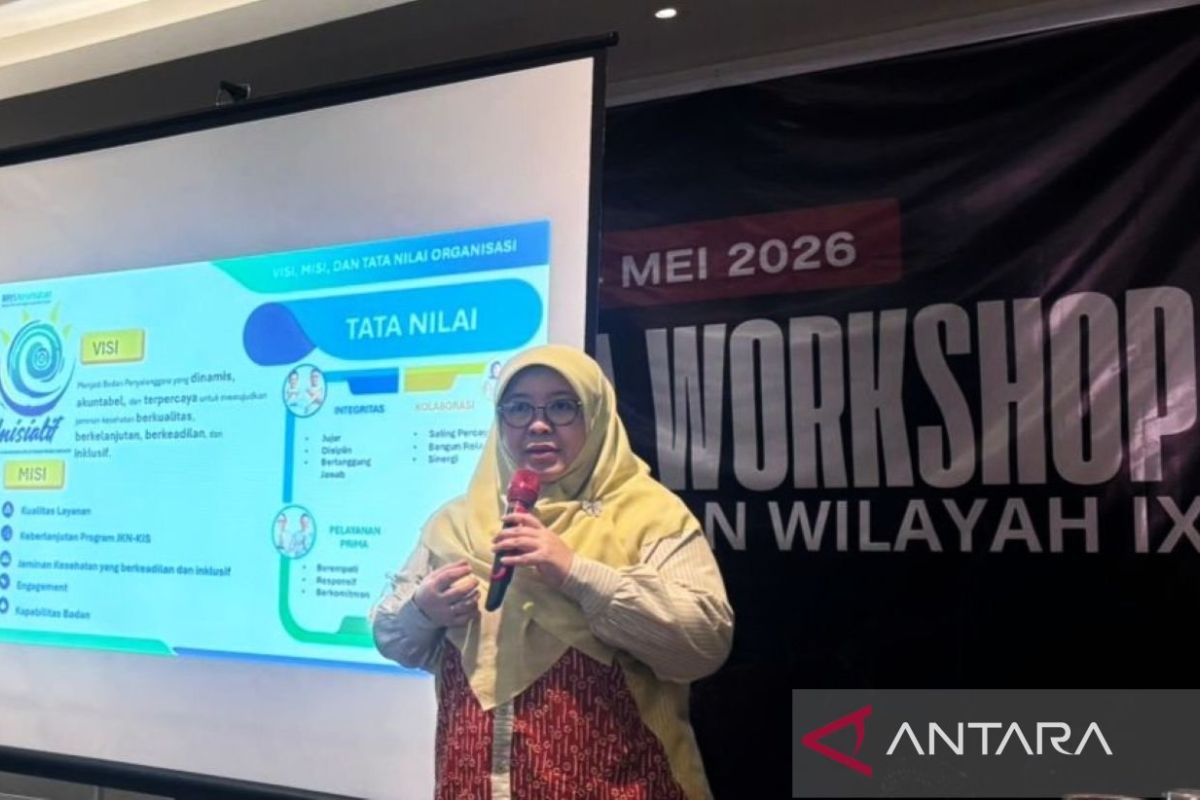
Makassar (ANTARA) - The Health Social Security Organising Agency (BPJS Kesehatan) has revealed that the increasing trend of catastrophic diseases is becoming a serious concern in managing the budget for the National Health Insurance (JKN) programme.
“The dominance of these catastrophic diseases directly impacts the rising burden of healthcare service financing within the JKN system,” stated Asyraf Mursalina, Deputy Director of BPJS Kesehatan for Region IX covering South Sulawesi, West Sulawesi, Southeast Sulawesi, and Maluku, in Makassar on Tuesday.
According to her, the upward trend in catastrophic diseases is now a serious focus. This is because conditions like heart disease, cancer, and stroke have become the primary contributors to healthcare service financing, in line with the growing needs for handling high-cost cases.
Nevertheless, Asyraf explained, BPJS Kesehatan continues to fulfil its strategic role in health financing for the public.
The JKN programme is managed through an integrated mechanism, from collecting contributions, managing risks collectively, to providing strategic healthcare services, to ensure quality, effective, and sustainable care.
According to BPJS Kesehatan data up to April 2026, catastrophic financing has reached 25% of total healthcare service costs. Therefore, strengthening promotional and preventive efforts is necessary.
Benefit costs throughout 2025 compared to 2024 continue to rise in line with the increasing number of chronic disease cases. The realisation of benefit costs is around 11% in 2025, rising from Rp44.8 trillion to Rp50.28 trillion.
“Increased public awareness is needed to adopt healthy lifestyles as the main key to curbing the rate of these disease cases. Prevention efforts must also be a collective focus so that the financing burden can be better controlled and the sustainability of the JKN programme remains maintained,” she said.
Previously, Asyraf stated in a workshop with the media that strengthening collaboration for the JKN programme is required. This is because the media plays an important role in shaping public understanding. Given that the press is a partner in determining success.
“We view media professionals as strategic partners who contribute to the success of the JKN programme through the delivery of accurate, balanced, and educational information. Thus, the communication built is not one-way, but collaborative and solution-oriented.
The JKN programme is a tangible manifestation of the state’s presence in guaranteeing access to healthcare services for all citizens through the gotong royong principle, where healthy participants support sick ones, and capable participants help those who are less able.”