
BPJS Kesehatan Emphasises Credentialing as Key to Quality JKN Services
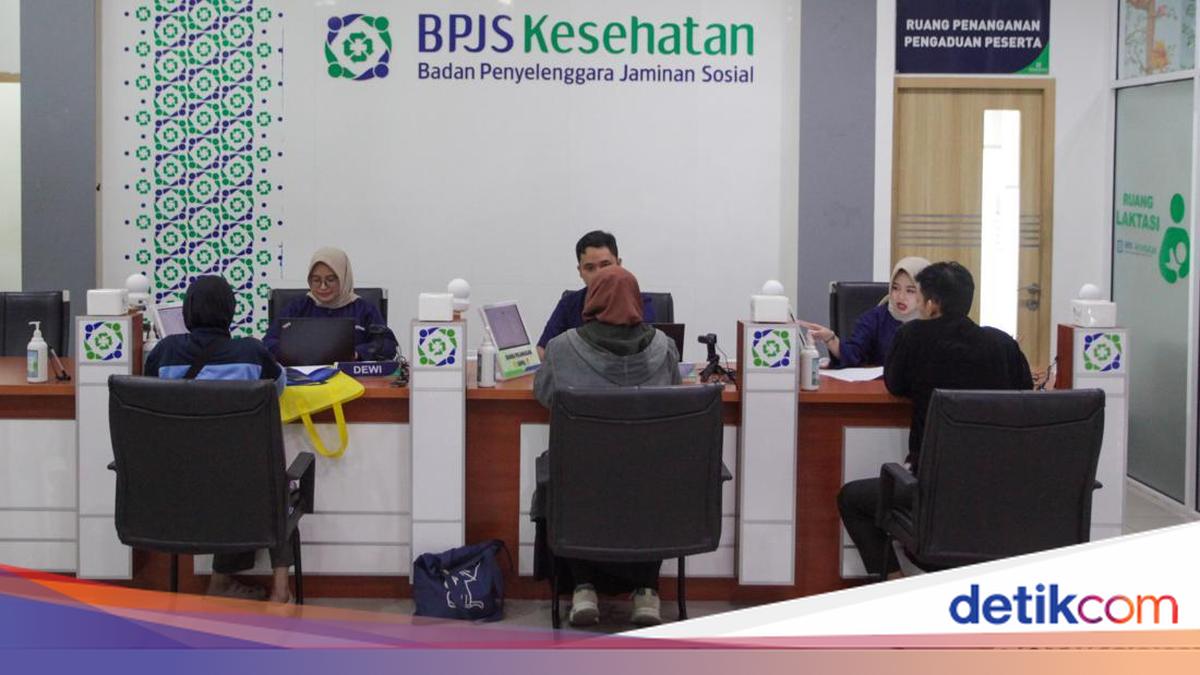
Head of Communications at BPJS Kesehatan, Rizzky Anugerah, highlighted the importance of the credentialing and re-credentialing processes for healthcare facilities in maintaining the quality of services for participants in the National Health Insurance Programme (JKN). He emphasised that this process forms the primary foundation for partner healthcare facilities to deliver safe, quality services that meet standards for JKN participants. “In establishing partnerships, every healthcare facility must undergo the credentialing process. This is the initial assessment stage to ensure that the healthcare facility meets the qualifications to provide services to JKN participants,” said Rizzky in a written statement on Wednesday (1/4/2026). Rizzky explained that BPJS Kesehatan currently collaborates with 23,532 Primary Care Health Facilities (FKTP) such as community health centres, clinics, and doctor’s practices, as well as 3,189 Advanced Referral Health Facilities (FKRTL) such as hospitals. This number demonstrates that all partner healthcare facilities have gone through a selection and assessment process, thus declared to meet the criteria and be worthy of providing services to JKN participants. He added that in the credentialing and re-credentialing processes, BPJS Kesehatan engages various parties from health offices to healthcare facility associations. These parties provide objective assessments according to their respective competencies. “This process is carried out transparently by involving relevant parties in accordance with the mandate of the JKN Programme regulations. The assessment results are based on measurable indicators and are a collective decision by the team, so they can be accounted for and truly reflect the real conditions in the field,” explained Rizzky. Furthermore, Rizzky explained that re-credentialing is conducted periodically as a form of supervision and guidance. This way, healthcare facilities can continuously improve service quality in line with the development of community health needs. “Credentialing becomes a momentum for evaluation for healthcare facilities to continuously improve and adapt. We want to ensure that service quality does not stagnate but continues to improve,” he added. Meanwhile, the Secretary General of the Indonesian Private Hospitals Association (ARSSI), Noor Arida Sofiyana, agreed that credentialing does not only serve as fulfilment of administrative aspects but as a joint effort in maintaining healthcare service quality. She emphasised that hospitals are committed to meeting various established indicators, from the competency and adequacy of human resources, readiness of facilities and infrastructure, to compliance with accreditation standards and patient safety. Arida also assessed that strengthening credentialing, which also includes service performance indicators such as patient waiting times and digital system integration, is a positive step in promoting effective and efficient services. According to her, the ongoing digital transformation will further strengthen the synergy between BPJS Kesehatan and hospitals. Furthermore, Arida encouraged strengthening the credentialing mechanism through process digitalisation and refinement of assessment instruments that prioritise service quality aspects. According to her, the involvement of associations in developing indicators and evaluating the system is considered important so that the resulting policies are increasingly implementable and in accordance with field conditions. “We hope that such synergy continues to be carried out so that healthcare facility associations with BPJS Kesehatan can align perceptions to deliver services that prioritise quality for participants,” concluded Arida. As information, in the credentialing and re-credentialing processes, BPJS Kesehatan does not charge any fees. If the public finds anything that does not align with the rules and procedures, they can report it through the portal https://wbs.bpjs-kesehatan.go.id/web/site/beranda by including the chronology of the incident and complete evidence.