
BPJS Health Supervisory Board appreciates equal healthcare services at Bhayangkara Hospital Surabaya
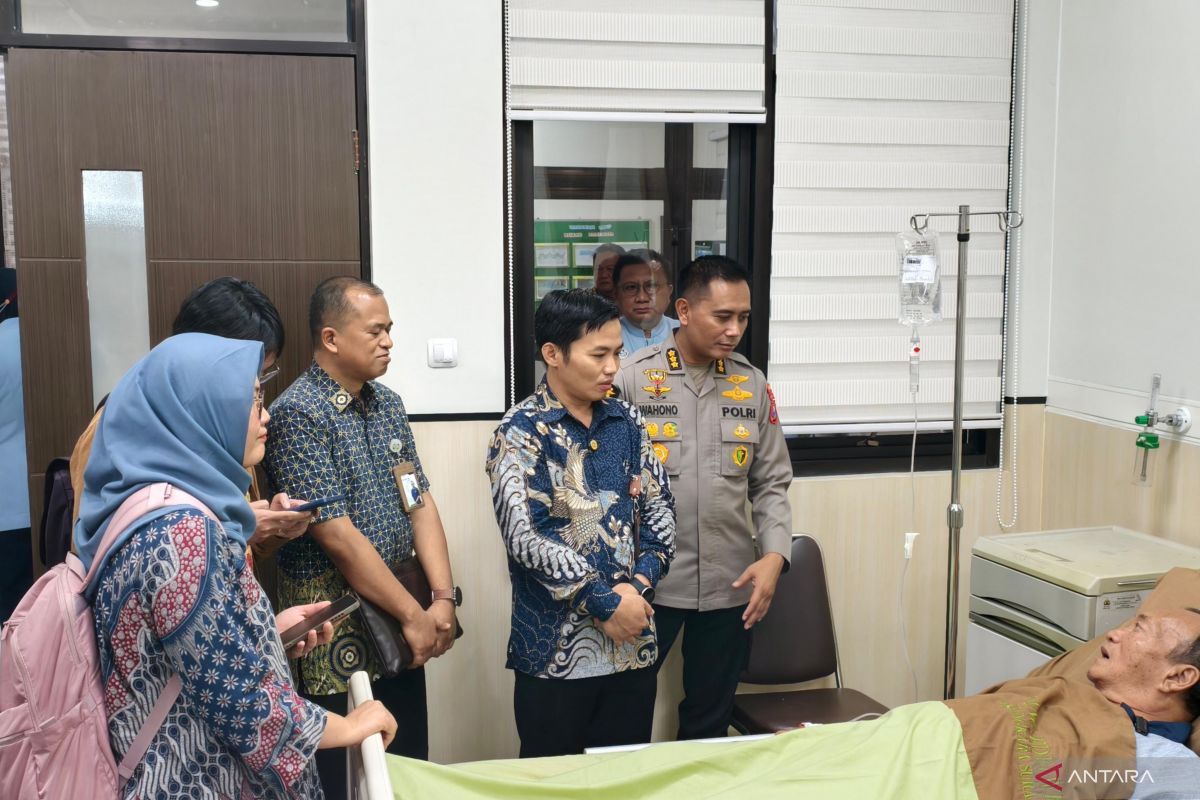
Jakarta — A member of the Supervisory Board (Dewas) of BPJS Kesehatan, Afif Johan, has commended the healthcare services at Bhayangkara H.S. Samsoeri Mertojoso Hospital in Surabaya for providing equal services to participants of the National Health Insurance Programme (JKN) without discrimination.
“We express our appreciation to the management and all healthcare workers at Bhayangkara Hospital of the East Java Police Regional Office, who have provided comprehensive healthcare access. This hospital, which falls under the Indonesian National Police, has demonstrated a genuine commitment that JKN patients receive equal services and are not differentiated from general or other insured patients,” said Afif, as quoted in Jakarta on Wednesday.
He stressed that the principle of equality forms the core of the JKN programme. Afif conveyed this appreciation during a working visit to the hospital on Tuesday (10 March) as part of the BPJS Kesehatan Supervisory Board’s field monitoring activities in Surabaya.
During his visit to Bhayangkara Hospital Surabaya, Afif held discussions with several JKN participants to hear directly about their experiences in obtaining healthcare services.
An outpatient at the Internal Medicine Polyclinic, for example, reported receiving fairly prompt service thanks to the online queue feature through the Mobile JKN application. The patient arrived at 15:15 hours and received service by approximately 15:50 hours without additional charges, including for medications.
Meanwhile, the parent of a paediatric patient at the Pharmacy Department also expressed satisfaction with the services provided, although waiting time for compounded medicines exceeded one hour. According to them, this was reasonable compared with non-compounded medications, which have faster processing.
Similar satisfaction was also expressed by the family of a patient with mild stroke being treated in the ICU. They reported receiving good care without any additional charges.
In the inpatient ward, an elderly independent JKN participant from class 3 also stated feeling comfortable in a room that has implemented the Standard Inpatient Class (KRIS) with four beds in one room.
In response, Afif commended the management and healthcare workers at Bhayangkara Hospital Surabaya, who are deemed capable of providing equal healthcare services to all patients.
He added that the success of the JKN programme should not only be measured by the number of participants but also by the quality of services experienced directly by people at healthcare facilities.
“For the Supervisory Board, the success of JKN is not merely measured by the number of participants, but by the real quality experienced by the public at healthcare facilities,” he said.