
BPJS Health Fee Increase: Not the Only Solution to Deficit, Says DPR
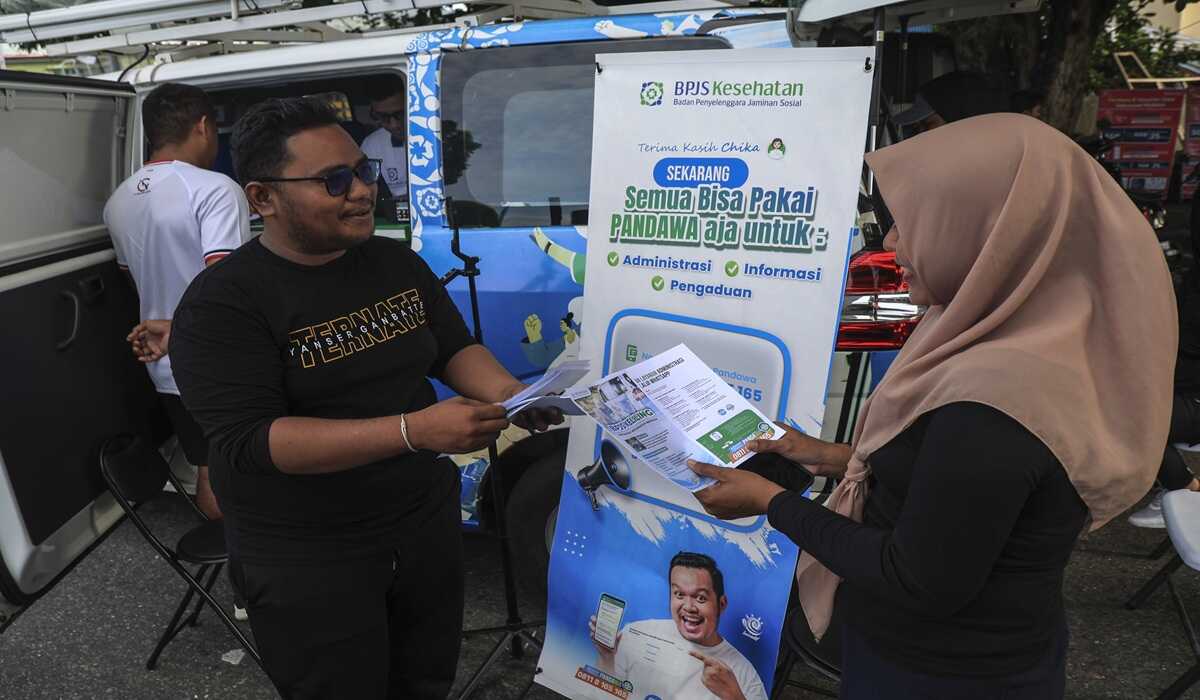
Member of Commission IX of the DPR RI, Edy Wuryanto, affirmed that the sustainability of BPJS Kesehatan is important. However, increasing BPJS Kesehatan fees does not address the deficit problem.
“I understand the pressure of health inflation, rising prices of medicines and medical devices, and the widening gap between service costs and membership fee revenue, but the solutions taken must still be based on the interests of the people,” said Edy, Thursday (February 26).
He reminded that in recent years, the deficit in funding for the National Health Insurance (JKN) program has shown an increasing trend. However, the PDI Perjuangan politician emphasized that this problem cannot be immediately solved by increasing fees without a thorough evaluation.
The government previously stated that pressure from health inflation, rising prices of medicines and medical devices, and the expansion of service benefits have widened the gap between membership fee revenue and service costs.
In the last three years, the deficit has increased from IDR 7.2 trillion in 2023 to IDR 9.8 trillion in 2024 and reached IDR 14 trillion in 2025. This situation is considered to disrupt the fiscal health of BPJS Kesehatan and raises the option of adjusting fees, especially for capable participants.
“We must not see fee increases as the only instrument for saving the program. There must be transparency in data and actuarial analysis that can be tested publicly so that this policy is legitimate and rational,” he said.
He also highlighted the regulatory aspect that has been neglected. Presidential Regulation Number 82 of 2018 clearly mandates that fee evaluations be carried out at most every two years.
“In fact, JKN fees have not been evaluated for approximately five years. When the obligation for periodic evaluations is not carried out, it is natural for the public to question the basis for today’s fee increase,” said Edy.
According to him, if this year the government still wants to make adjustments to BPJS Kesehatan fees, a fairer step would be to first increase the fees for Recipients of Fee Assistance (PBI) and Regional Non-Wage Earners (PBPU) as a form of strengthening the fiscal commitment of the state and local governments.
“The state must first show its responsibility through adjusting the contributions of PBI (fee assistance recipients) and PBPU (regional non-wage earner) participants before burdening individual participants,” he concluded. (H-4)