
BPJPH Head Receives Lampung Barat DPRD Delegation: Facilitating Halal Certification for MSMEs to Strengthen Regional Revenue
Facilitating halal certification for Micro, Small, and Medium Enterprises (MSMEs) is considered capable of strengthening regional revenue as well as improving local economic competitiveness.
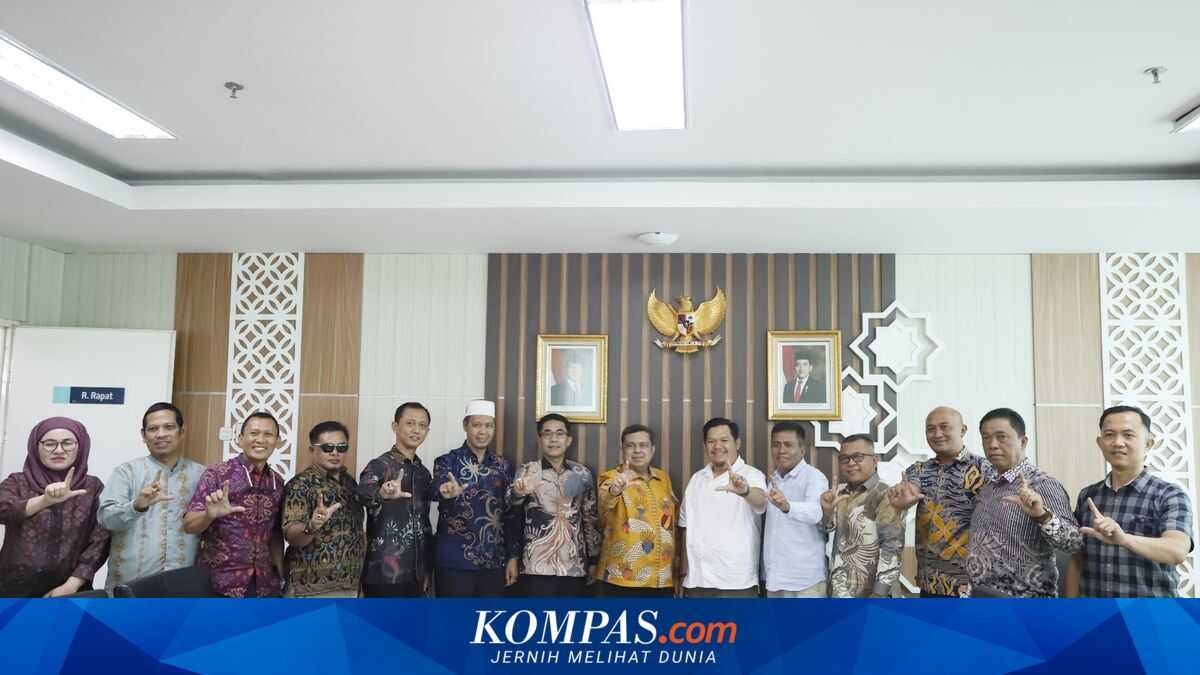
This statement was made by the Head of the Halal Product Guarantee Organising Agency (BPJPH), Ahmad Haikal Hasan (Babe Haikal), when receiving a delegation from the Lampung Barat Regional People’s Representative Council (DPRD) at the BPJPH building, East Jakarta, Thursday (26/2/2026).
The man, who is affectionately known as Babe Haikal, said that regional government support in the form of facilitating halal certification for MSMEs through the allocation of regional revenue and expenditure budgets (APBD) is a strategic instrument in accelerating halal certification for MSMEs.
By obtaining halal certificates, MSMEs not only meet regulatory requirements, but also gain improved market access and increased consumer confidence, which is currently increasing.
Furthermore, he emphasised that BPJPH is not only carrying out its administrative mandate as the issuer of certificates, but also building a national orchestration so that regional governments and other related stakeholders can play an active role in strengthening the halal ecosystem.
In addition, BPJPH is also ready to carry out coordination, technical assistance, and policy synchronisation to ensure that the halal facilitation scheme can be implemented effectively.
This effort is considered crucial to facilitate the readiness of MSMEs in welcoming the implementation of the mandatory halal certification or Mandatory Halal in October 2026.
He revealed that of the approximately 1,500 MSMEs in Lampung Barat, only 150 businesses have obtained halal certification.
This condition has prompted the Lampung Barat DPRD to initiate strengthening regulations, policies, and regional budget support so that the acceleration of certification can be realised soon.
“This collaboration is important so that the policies we prepare are well-targeted and have a direct impact on business actors in the region,” said Edi.