
BPDP Strengthens Palm Oil MSME Development to Boost Economy
Jakarta (ANTARA) - The Palm Oil Plantation Fund Management Agency (BPDP) is strengthening the development of micro, small enterprises and cooperatives (UKMK) in the palm oil sector as part of a strategy to bolster the industry’s positive image and stimulate economic growth.
“We have a responsibility to build a positive narrative around palm oil. One way is through strengthening UKMK,” said Helmi Muhansyah, Head of the BPDP’s Community Cooperation and MSME Division, in a statement in Jakarta on Saturday.
Helmi said that strengthening UKMK serves as one of the responses to various negative campaigns against palm oil, ranging from flooding issues and orangutan habitat loss to allegations of child labour exploitation.
He explained that the positive palm oil campaign is financed through export levies on palm oil products, which average between Rp2 trillion and Rp3 trillion per month.
“The funds are collected from exports, but all of it is returned to palm oil-related programmes, such as the Smallholder Palm Oil Replanting Programme (PSR), scholarships, research, and the development of SMEs or UKMK,” he said at the 2026 UKMK Media Workshop and Good Palm Oil Promotion, themed “Palm Oil Derivative Product Innovation for UKMK Operators”.
Furthermore, Helmi said the intensity of positive palm oil campaigns continues to increase through various regular activities involving UKMK operators.
“In 2018, if you searched for palm oil UKMK, you probably wouldn’t find anything. But now, if you search for palm oil UKMK on Google, there are a great many results because we hold activities almost every month, even every week, to promote the benefits of palm oil,” he said.
Helmi also explained that BPDP actively assists young people through workshops organised in collaboration with Andalas University. Many students have participated in the programme to develop palm oil-based entrepreneurship.
One example is a student from Pasaman Barat, West Sumatra, who attended a workshop during the COVID-19 pandemic in 2020-2021. Armed with that training, by 2025 the student had successfully begun exporting palm midrib sticks.
“It doesn’t happen overnight — by 2025 he had become a palm midrib stick exporter. He partnered with local women as raw material suppliers for export,” said Helmi.
In addition, BPDP also facilitates UKMK participation in national exhibitions such as Inacraft. Three BPDP-mentored UKMK from Aceh, Malang, and Yogyakarta received free booths, accommodation, and transport, all covered by the agency.
“Normally, if they weren’t brought along and had to pay themselves, it would cost Rp19 million to Rp23 million. If they’re Inacraft members it’s Rp19 million; if not, it’s Rp24 million for a booth. We facilitated all of that,” said Helmi.
Helmi expressed hope that the activities would mark the beginning of sustained collaboration, particularly for women in Depok who produce palm oil-based products. He emphasised that BPDP provides genuine opportunities for UKMK operators to develop palm oil derivative products.
One example is batik and candles made from palm wax, developed by approximately 60-70 women in Kulon Progo, Yogyakarta. The products are mentored by young alumni of the Education Fund Management Agency (LPDP).
From an initial turnover of hundreds of millions of rupiah, the products have now reached billions of rupiah, including Rp55 million in transactions during two to three days at the Inacraft exhibition.
“It’s now in the billions after developing batik from palm oil. Including when we brought them to the exhibition — the transactions reached Rp55 million over two or three days. That was among the best sellers at Inacraft,” said Helmi.
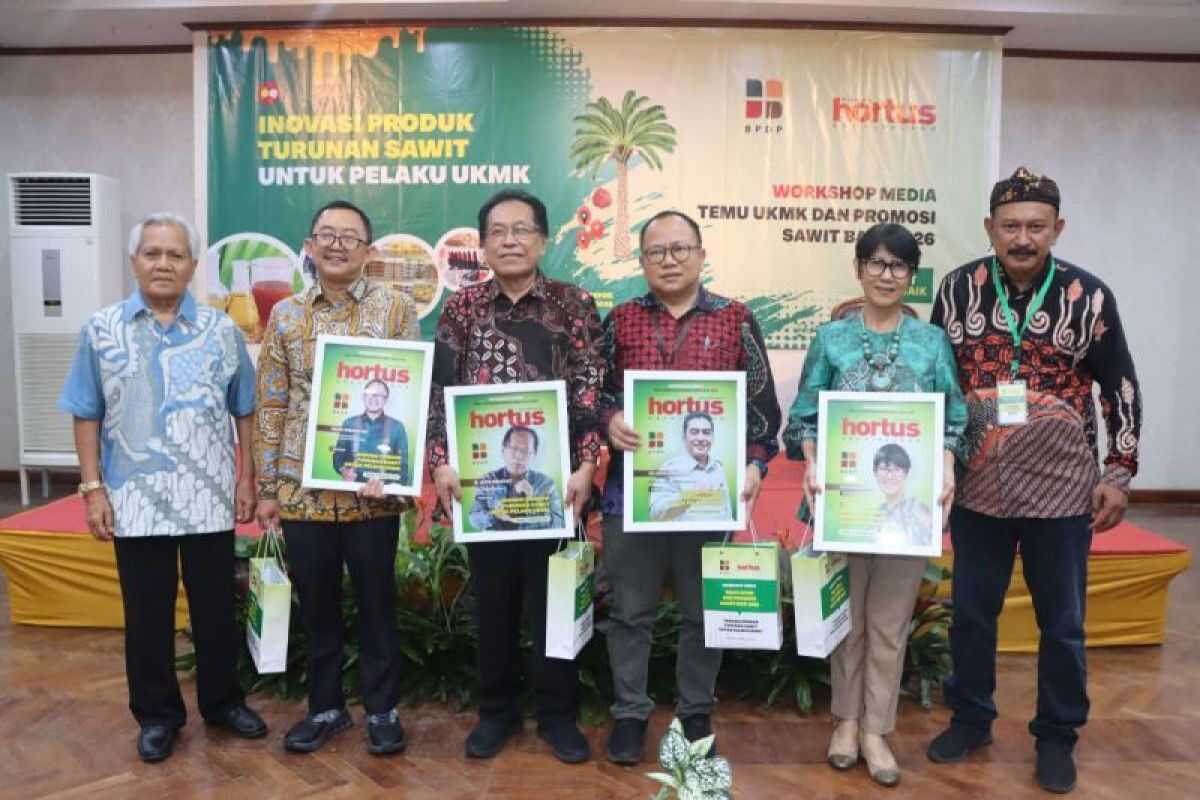
The event, which brought together government representatives, business associations, and palm oil fund managers to broaden UKMK operators’ understanding of downstream potential, was organised through a collaboration between BPDP and Hortus Archipelago Magazine.