
BP3MI Sumsel repatriates 60 irregular migrant workers
Palembang (ANTARA) – BP3MI South Sumatra reported that 60 irregular migrant workers were repatriated in 2026 after being found working abroad without proper procedures and suspected victims of human trafficking (TPPO).
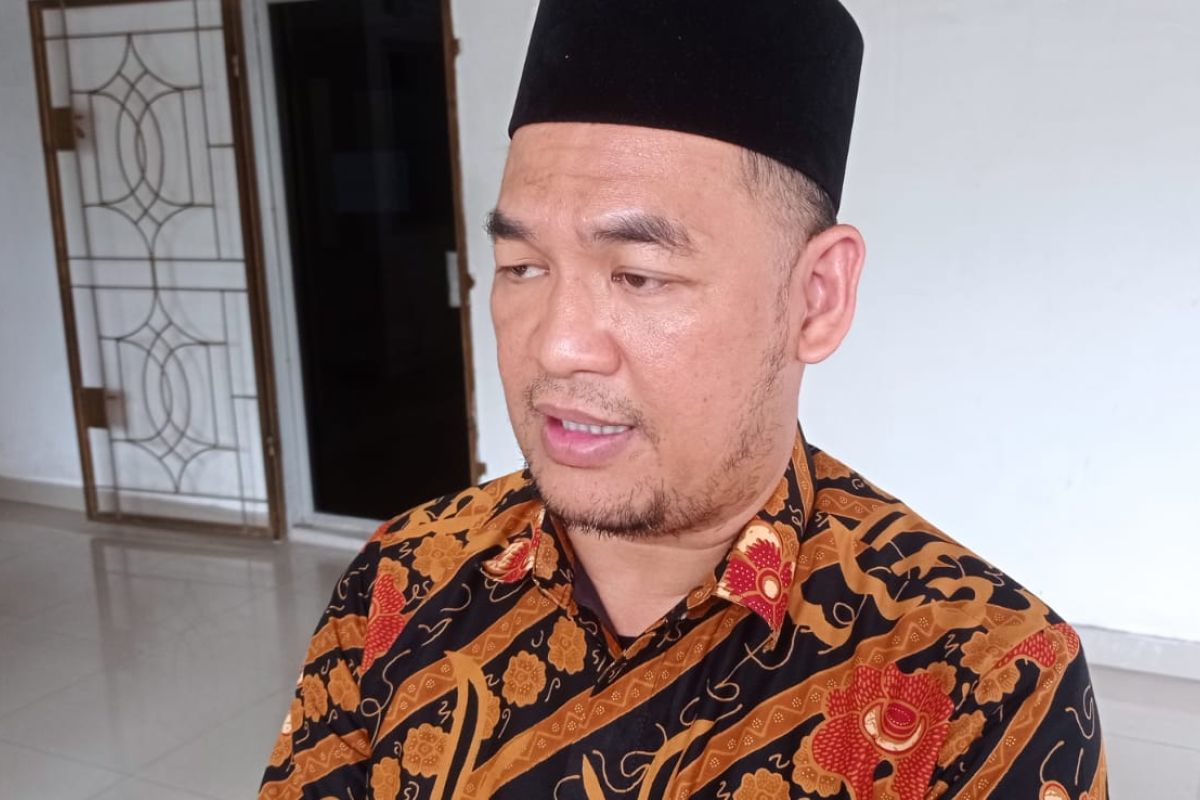
BP3MI South Sumatra Head Waydinsyah, following a coordination meeting for the 2026-2030 Human Trafficking Prevention and Handling Task Force in Palembang on Monday, stated that the repatriated workers were from Malaysia and Cambodia.
‘Of those successfully documented and repatriated, nearly 60 individuals were workers from Malaysia and Cambodia,’ he said.
In addition to repatriation, BP3MI South Sumatra has also prevented illegal migrant workers from departing, in collaboration with immigration authorities.
In 2025, BP3MI South Sumatra prevented seven individuals from departing at airports, while three were stopped in the first half of 2026.
The trend of irregular migrant worker cases in South Sumatra has risen compared to previous years, evident in the increasing number of locals working abroad without proper procedures who have been repatriated.
‘The indicators clearly point to human trafficking, as victims were lured with false job offers by unscrupulous parties,’ he explained.
He cited cases where victims were promised jobs at restaurants in Malaysia or Thailand or as drivers in Thailand, but were instead sent to other countries like Cambodia for unrelated work.
High human trafficking cases remain linked to insufficient public awareness of safe migration procedures.
‘There is strong public interest in working abroad, but the lack of information poses a major challenge for ministries and local authorities to jointly provide education on safe migration,’ Waydinsyah said.
Meanwhile, South Sumatra’s First Assistant to the Regional Secretary, Apriyadi, stated that human trafficking handling is a priority in coordination meetings involving stakeholders such as universities, professional organisations, police, prosecutors, and relevant ministries.
He stressed that the public must understand official procedures for working abroad to avoid becoming trafficking victims.
Victims face various exploitation methods overseas, including online gambling operations, credit card skimming, and human organ trafficking.
‘If citizens become victims, the government has a duty to assist and protect them,’ he said.
Additionally, authorities facilitate repatriation and provide escort and rehabilitation support where necessary upon return to their home regions.