
BP Taskin: MBG-Kopdes as Indonesia's Buffer for Resilience Amid Global Conflicts
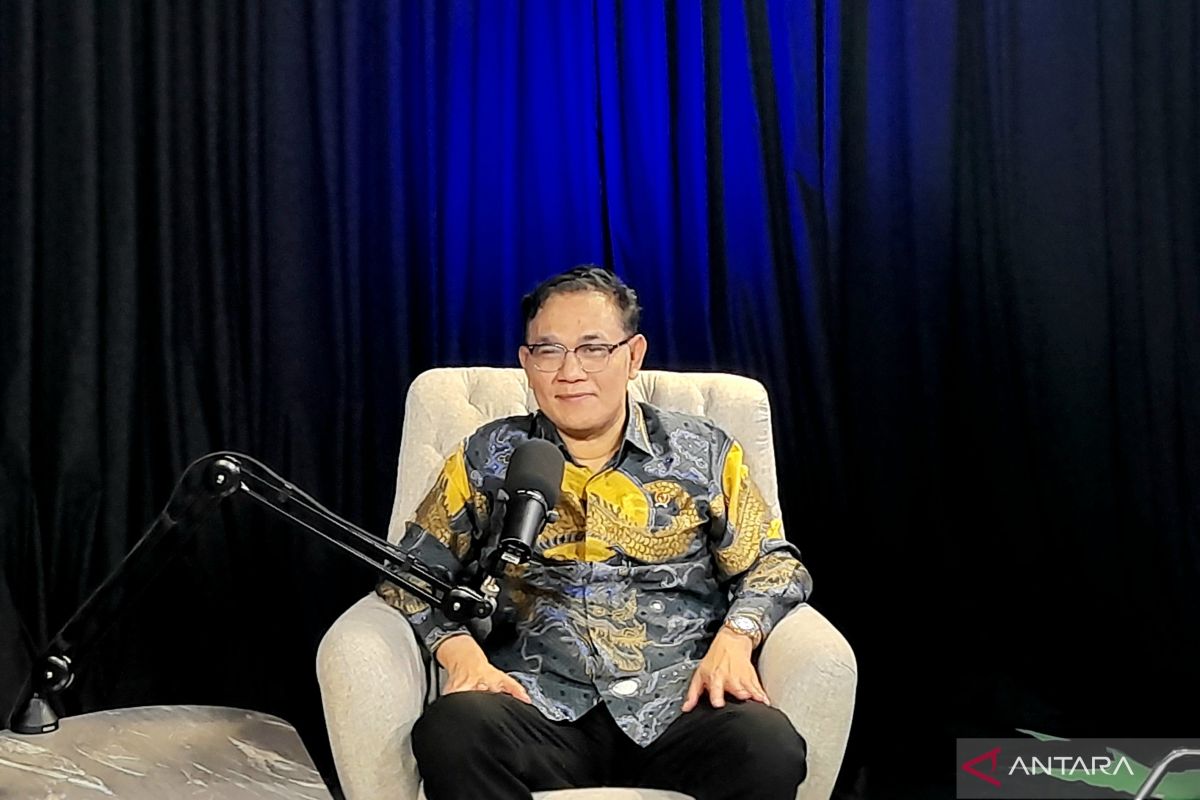
The Head of the Poverty Alleviation Acceleration Agency (BP Taskin), Budiman Sudjatmiko, assesses that the Free Nutritious Meals Programme (MBG) up to the Red and White Village/Urban Ward Cooperatives (Kopdes) can serve as a buffer for Indonesia’s food security and economy amid global conflicts.
“If a crisis occurs due to war, MBG kitchens can become logistics distribution points for the people. Cooperatives can also serve as centres for distributing non-food items such as soap, toothpaste, and other necessities,” he stated during a podcast with ANTARA in Jakarta on Tuesday.
According to him, the escalation of conflicts has the potential to disrupt food and energy supply chains, thus requiring distribution infrastructure ready to face crises.
“With around 80,000 cooperatives, the distribution of non-food human needs is available, while MBG kitchens provide the food. This must be viewed in that direction,” he said.
Budiman added that the MBG kitchen network, targeted to reach tens of thousands of points, can be functioned as a food logistics centre if distribution disruptions occur.
Moreover, for Budiman, the MBG concept is a “major national event” that requires its own production and distribution channels so as not to disrupt general public consumption. With that scheme, the needs of the MBG Programme are met through a special supply chain, while the general market continues to serve the daily needs of the community.
“We have prepared the concept that MBG is like a major event. Consumption for MBG must be separated from the daily consumption of the community into its own distribution and production structure, while Kopdes will become the main supplier for MBG, and the community continues to shop at general markets,” he explained.
Data from the Central Statistics Agency (BPS) shows that the vulnerable poor group in Indonesia reaches more than 24 million people, who are considered most easily affected if there is a surge in food prices due to global geopolitical disruptions.
On the other hand, the Ministry of Cooperatives and Small and Medium Enterprises (UKM) records that the number of active cooperatives in Indonesia reaches tens of thousands of units spread down to the village level. This infrastructure is assessed as able to be strengthened to support a more equitable distribution system for essential goods during economic pressures.
This strategy is deemed important because the Iran-Israel conflict has the potential to trigger an increase in energy prices that impacts food logistics costs. If not anticipated, this condition could disrupt the distribution of basic commodities to regions.
By utilising MBG kitchens as ready-to-eat food centres and Kopdes as distribution centres for goods, the government hopes to create a community-based food security system, thus able to serve as a socio-economic buffer if global conflicts cause supply disruptions or surges in the prices of essential goods.