
Boosting State Revenue, Purbaya Examines Nickel Windfall Tax and Coal Export Duty
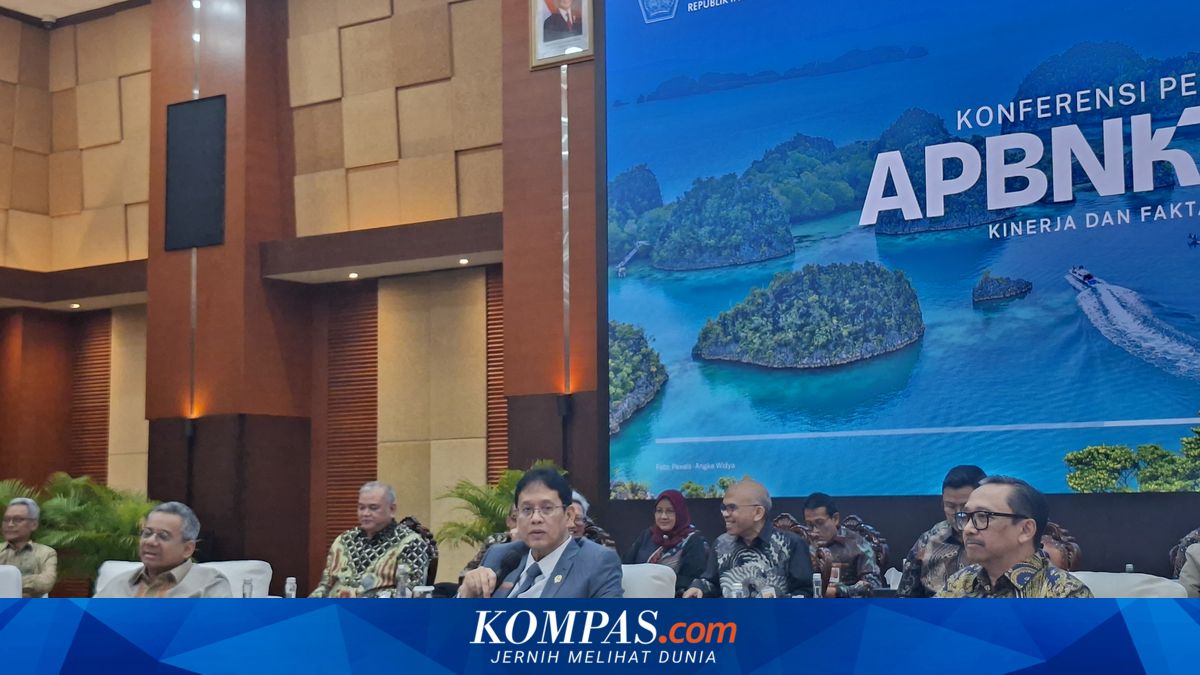
The government is preparing several new instruments to bolster state revenues while closing potential leakages in the commodities sector. Finance Minister Purbaya Yudhi Sadewa revealed that one option under review is the imposition of a windfall tax on nickel commodities. According to him, this policy is aimed at capturing the extraordinary profits obtained by companies due to global price surges, rather than merely from business performance improvements. “There will be (a windfall tax), but it is still being discussed with the Minister of Energy and Mineral Resources,” Purbaya stated in Jakarta on Monday (4/5/2026). This step is deemed important to strengthen export supervision, particularly in addressing practices of reporting prices below actual values (under-invoicing). Purbaya explained that the lack of collection instruments has previously limited export oversight. “So far, for coal exports, because there is no export duty, Customs cannot inspect before the goods depart. So under-invoicing there is very significant,” he said. With the introduction of an export duty, the government can tighten physical and document inspections at ports before goods are shipped abroad. Finance Minister Purbaya views this step as crucial to reducing potential state losses from illegal export practices or value manipulation. On the other hand, the government assures that such policies will not hinder downstreaming. Purbaya emphasised that support for the nickel downstream industry remains a priority, including the development of a domestic battery ecosystem. “Nickel is a raw material for batteries; we will promote the domestic battery industry with various incentives,” he said. The state treasurer added that strengthening revenues from the commodities sector is also needed to support the State Revenue and Expenditure Budget (APBN), especially amid spending pressures such as high energy subsidies. Through a combination of fiscal policies and enhanced export supervision, the government hopes to maintain a balance between optimising state revenues and the sustainability of national industries.