
Bonded Logistics Centre: A Game Changer for National Logistics Efficiency
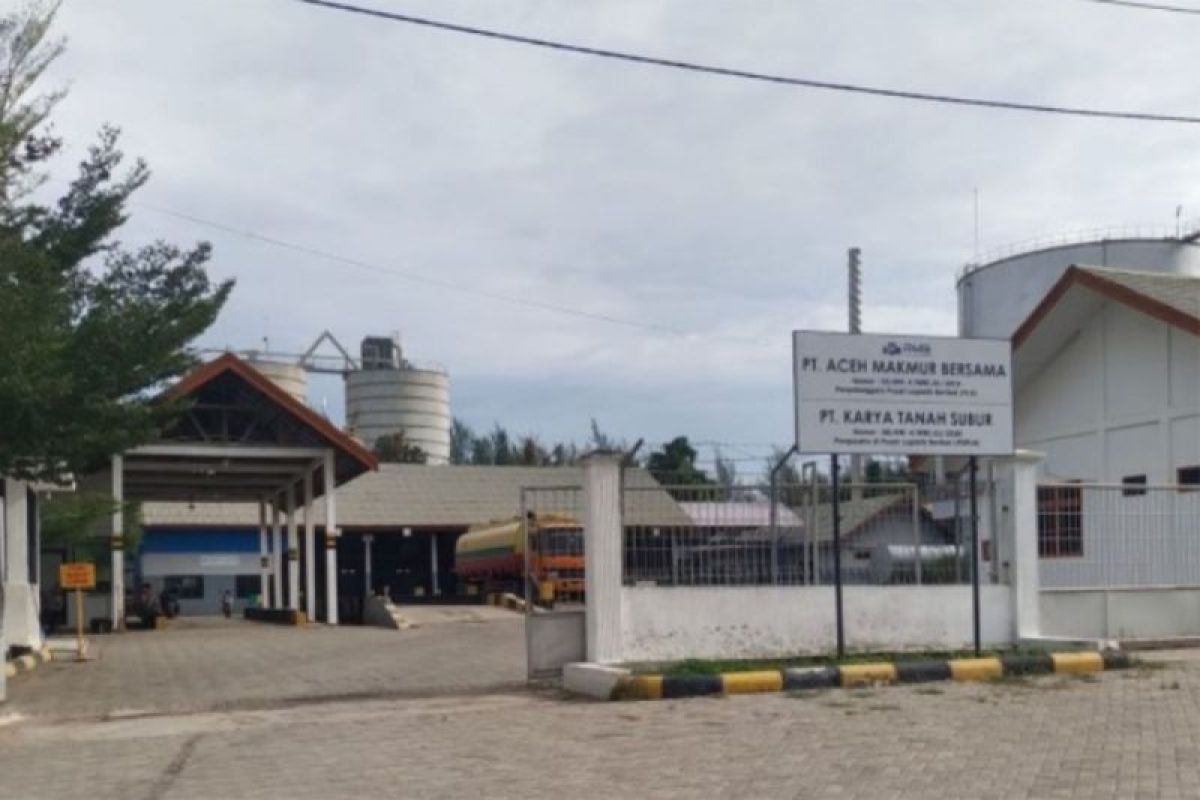
Jakarta (ANTARA) - Logistics issues in Indonesia have long been a structural problem hindering national economic competitiveness. Various studies show that Indonesia’s logistics costs are still relatively high compared to other countries.
Data for 2025 indicates that national logistics costs are around 23% of gross domestic product (GDP), far above the ASEAN average of 14%. Even compared to developed countries, the figure is nearly double, as advanced nations have managed to reduce logistics costs to below 10% of GDP.
The high logistics costs reflect inefficiencies in the national distribution system. The transport structure is still dominated by relatively expensive land transportation, while the utilisation of sea and rail modes remains suboptimal.
In addition, classic problems such as dwelling time at ports, limited logistics infrastructure, and low supply chain integration exacerbate the situation. A World Bank report (2013) even emphasised that high logistics costs are one of the main barriers to Indonesia’s economic growth.
The impact is not only felt by businesses but also by the wider public. High distribution costs are passed on to product prices, thereby increasing retail prices in the domestic market. In some cases, the cost of shipping goods between regions in Indonesia can even be more expensive than importing from abroad. This situation shows that logistics reform is no longer an option but an urgent need.
The Indonesian Employers’ Association (Apindo) assesses that logistics costs in Indonesia are still not competitive. Although the figure has dropped from 23.8% to 14.2%, the real cost, including export logistics components, still reaches 23% of GDP.
Furthermore, the persistently high logistics costs also contribute to Indonesia’s high incremental capital output ratio (ICOR) of 6.3%. ICOR is a metric that measures investment efficiency, and a high ICOR indicates that investment in Indonesia is less efficient.
In such conditions, the existence of Bonded Logistics Centres (PLB) can be a game changer because they can intervene in the root problems of national logistics, namely long distribution chains, high uncertainty costs, and low economies of scale. Furthermore, their presence will realise domestic buffer stocks and fiscal flexibility, as PLBs not only reduce logistics costs but also transform the national distribution system into one that is more efficient and competitive.
Strategic Role
In efforts to address the complexity of logistics problems in the country, the government has introduced the concept of Bonded Logistics Centres (PLB) as part of the national logistics reform. PLB is a facility for storing imported or local goods for a certain period, with various fiscal facilities, including the suspension of import duties and taxes.
In its implementation, PLBs can be connected to digital logistics systems, multimodal transportation (sea, land, rail), as well as industrial zones and distribution areas. This becomes the main essence of PLBs because Indonesia’s main problem is the lack of system integration, not just a shortage of facilities.