
Bolu Kukus and Textile-Dyed Kue Mangkok Found at Jalan Panjang Takjil Centre
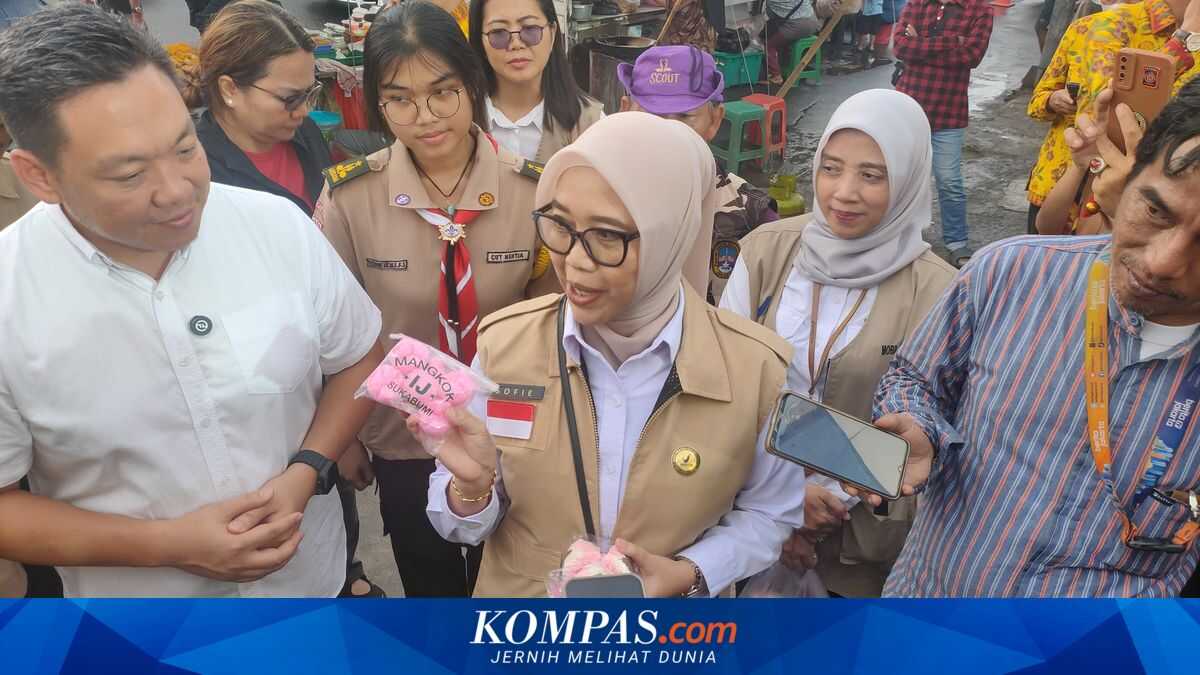
A traditional snack stall at Jalan Panjang takjil centre in Kebon Jeruk, West Jakarta, was found to be selling bolu kukus and kue mangkok that contained the dangerous textile dye Rhodamine B. The discovery was revealed during a sudden food-safety inspection conducted by the West Jakarta City Government in collaboration with the BBPOM DKI Jakarta on Thursday, 5 March 2026. Head of BBPOM Jakarta, Sofiyani Chandrawati, said the dye was detected after authorities tested dozens of food samples sold at the site. The two foods had been deliberately dyed with textile dye to give a bright pink colour, making them more attractive to customers. Following the find, the authorities seized the products containing the dangerous substance to prevent consumption. BBPOM will also trace the production sources to break the distribution chain. “So these have been taken out of display cases for disposal. And we will certainly investigate further where the large-scale sellers are, with the aim of cutting the distribution network,” Sofiyani said. Separately, West Jakarta Mayor Iin Mutmainnah said the inspection aimed to ensure food safety, particularly for takjil consumed during Ramadan. She noted that activity around Jalan Panjang increases significantly during the fasting month, warranting heightened oversight. “Indeed Jalan Panjang is very busy, and many people are buying; we focused on whether the takjil foods are fit for human consumption,” she said. She warned residents to be wary of foods with overly bright colours, as these may indicate the use of hazardous dyes. Residents were also asked to exercise caution regarding foods that may use formalin, such as noodles. “If you like noodles, you should check that they are not hard or glossy and do not smell of formalin. For sensitive individuals, such odours can cause burning sensations and nausea,” she added.