
Bolivian President Declares Nation at 'Critical Point' Amid Month-Long Protests
Bolivian President Rodrigo Paz issued a stern warning on Wednesday (27 May) that the country is at a ‘critical point’. This statement follows a month-long wave of protests that have triggered shortages of food, fuel, and life-saving medicines.
Paz, who has US backing, has only been in office for six months amid a severe economic crisis. The 58-year-old leader now faces widespread public anger over his centre-right economic policies. The political capital, La Paz, is surrounded by low-income workers and indigenous majority groups demanding his resignation.
‘The country needs order and is reaching a critical point,’ Paz said at a public event in La Paz, renewing his call for dialogue.
Previously, on Tuesday (26 May), Bolivia’s Congress lifted restrictions on the president declaring a state of emergency. This decision paves the way for Paz to deploy military forces to restore order.
Although Paz has stressed the importance of dialogue, he has not ruled out using ‘constitutional instruments’ to end the blockade in La Paz—a reference to declaring a state of emergency.
‘Anyone wanting to destroy this nation must face this president and the full force of the Constitution,’ Paz stated on Wednesday. He also assured police and military personnel of full public support.
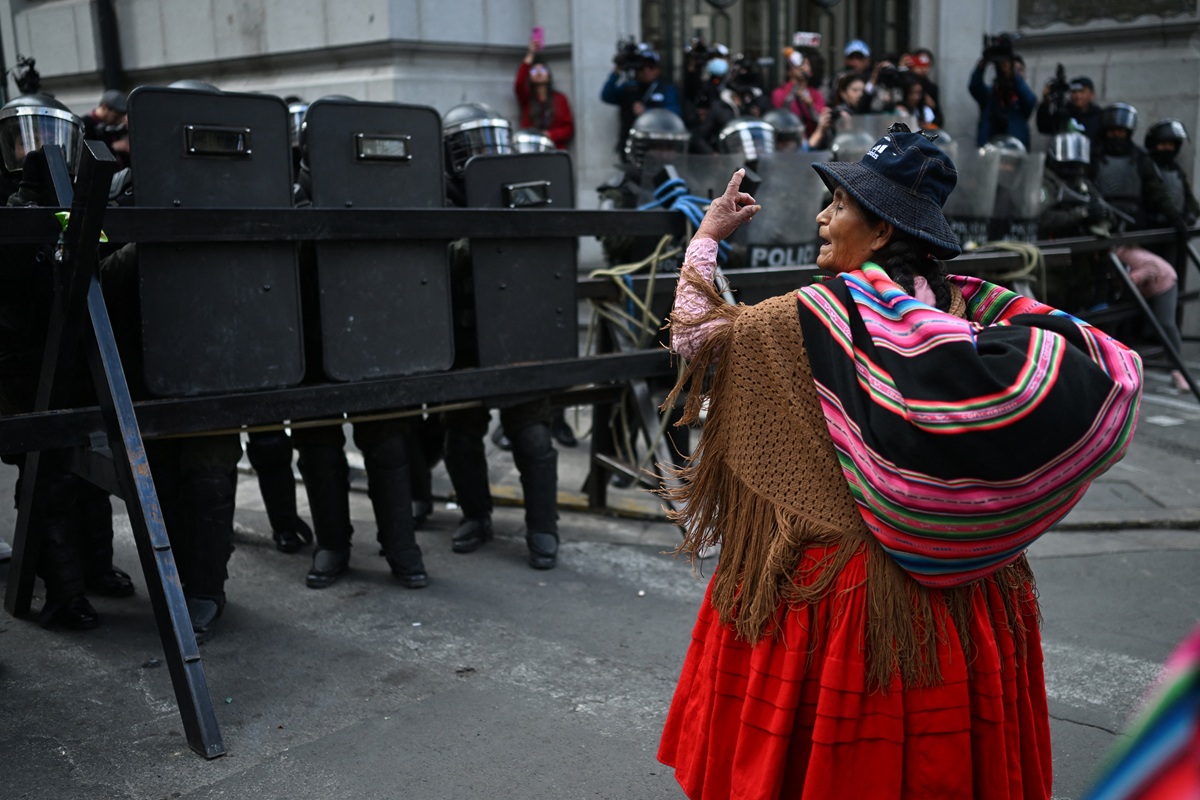
The stern warning coincided with a demonstration by thousands of indigenous women wearing traditional layered skirts. They marched through La Paz on Bolivia’s Mother’s Day as a show of solidarity with transport workers on strike.
The protests began in early May with union demands for higher wages, stable fuel supplies, and better economic management. However, the demonstrations quickly escalated into a large-scale uprising. Over the past two weeks, La Paz has become a battleground where riot police have repeatedly clashed with protesters.
To quell public anger, Paz attempted to offer solutions by promising to cut his own salary in half. He also pledged greater inclusion of indigenous groups and trade unions in policymaking. Meanwhile, his government has accused former president Evo Morales—who is currently evading child trafficking charges—as the mastermind behind the unrest. (AFP/Z-2)