
BNPP Strengthens Priority Programmes for Border Areas in 2027
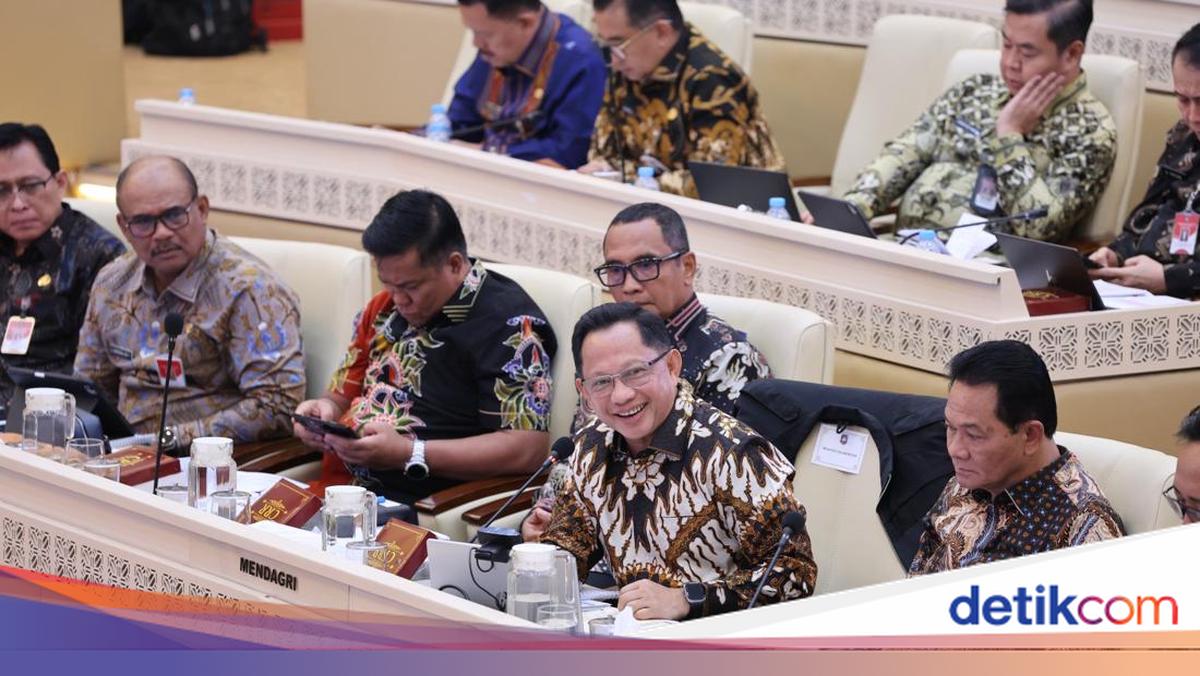
The Minister of Home Affairs, Muhammad Tito Karnavian, acting as the Head of the Indonesian National Border Management Agency (BNPP), presented the policy direction and the strengthening of border area management programmes during a Working Meeting and Hearing with Commission II of the House of Representatives (DPR RI) on Thursday (11/6).
This presentation was part of BNPP’s support for the implementation of the 2027 Government Work Plan (RKP). During the forum, Tito explained that the 2027 RKP carries the theme of accelerating quality growth through increased productivity, investment, and industry.
This theme serves as the foundation for national development policies aimed at driving sustainable and equitable economic growth, including in the country’s border regions.
“The 2027 RKP theme is supported by eight national priorities detailed into 11 development focuses. These focuses include improving the quality of human resources, strengthening productivity and community purchasing power, digitalisation and efficiency in government governance, strengthening regulation and institutions, as well as food, energy, and water self-sufficiency,” Tito stated in his briefing on Friday (12/6/2026).
In line with these national priorities, the BNPP plays a role in supporting seven clusters and 11 national priority work programmes directly related to border area management. This support is directed to ensure that the implementation of national programmes can run in an aligned and effective manner right up to the country’s borders.
These efforts are realised through various strategic activities, including the operational optimisation of 15 Integrated Border Posts (PLBN), facilitating the improvement of uninhabitable houses in 34 regencies/cities within border areas, and the construction of nutritional service units at PLBNs.
Furthermore, the BNPP also facilitates human resource empowerment in border regions, supports mobile health services, and accelerates development in the most forward, outermost, and disadvantaged regions.
To support the implementation of these programmes, the BNPP has received an indicative budget ceiling for 2027 of Rp213.92 billion. This indicative ceiling represents a decrease compared to the 2026 budget year, which reached Rp469.6 billion.
“From this indicative ceiling, most of it is allocated for operational expenditure, including personnel costs and the maintenance of 15 PLBNs. Meanwhile, the allocation for non-operational expenditure remains very limited to support the optimal execution of BNPP’s duties and functions,” said Tito.
In relation to this, the Indonesian BNPP has proposed an additional budget for 2027 of Rp231.54 billion. This proposed additional budget is planned to support national priority programmes, accelerate the third wave of development for eight PLBNs, facilitate the resolution of land and sea borders, rehabilitate and renovate PLBNs that are more than eight years old, and strengthen immigration, customs, and quarantine infrastructure.
With this additional proposal, the total proposed budget ceiling for the Indonesian BNPP for 2027 becomes Rp445.47 billion. Strengthening this budgetary support is expected to increase the effectiveness of national priority programme implementation in border areas, while simultaneously strengthening the role of the BNPP as a coordinator for integrated and sustainable border area management.