
BNPP assesses Nangabadau border area IPKP to identify challenges
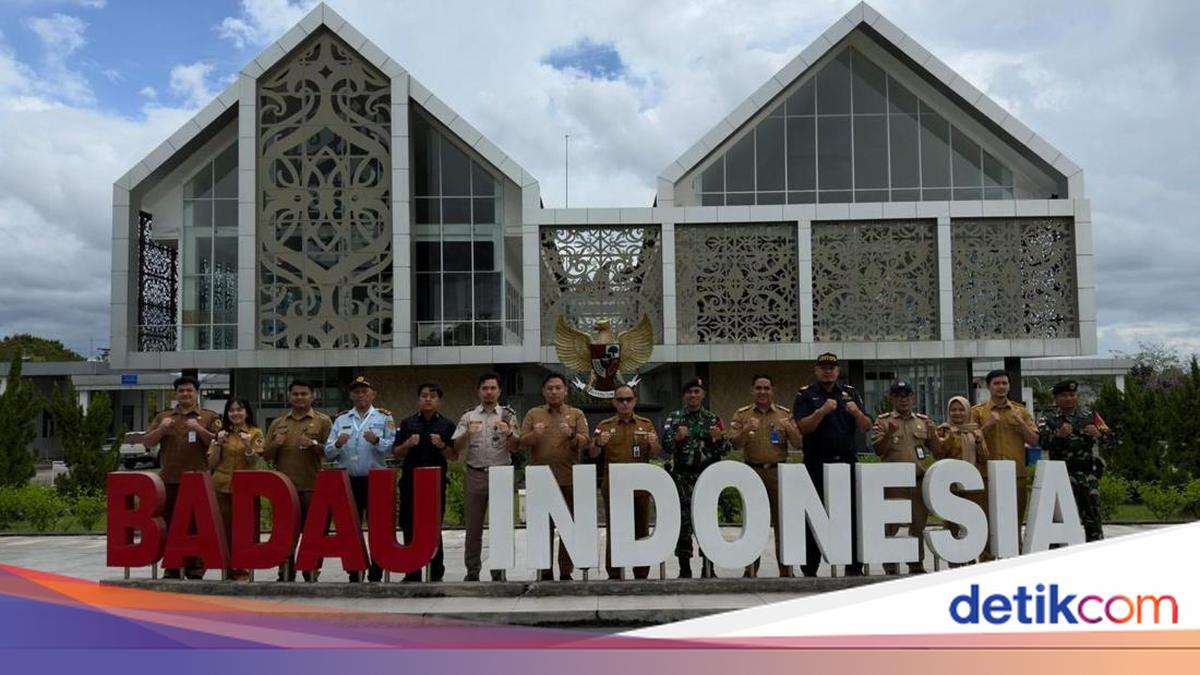
Assistant Deputy for Land Border Area Potential (Asdep PKPD) Brigadier General TNI Topri Daeng Balaw stated that the measurement and updating of the Nangabadau PPKP IPKP was conducted across three delineated sub-districts: Badau, North Putussibau, and South Putussibau. Subsequently, the data will be used to measure development achievements, identify strategic issues, challenges, and problems faced, as well as serve as input for ministry and agency program planning and interventions in the national border region. ‘This activity is crucial to ensure border area development addresses on-ground needs. Through the IPKP, we can assess achievements and identify gaps requiring reinforcement,’ said Brigadier General TNI Topri in a written statement on Monday (25 May 2026). He highlighted that in terms of defence and security, the Nangabadau PPKP area still faces challenges in monitoring unofficial cross-border routes (JTR) into Malaysia. The geographical conditions and close access points mean local communities often meet daily needs from the neighbouring country. ‘The border area remains vulnerable to illegal goods, including narcotics, entering via these routes. Therefore, enhanced cooperation between the Border Security Task Force (Satgas Pamtas) and the National Narcotics Agency (BNN) at provincial and regency levels is needed for monitoring and enforcement,’ he added. Beyond security concerns, Brigadier General Topri also highlighted significant potential for local economic development. The expansion of palm oil plantations, rubber, pepper, freshwater fish, rattan, and non-timber forest products could boost border community welfare, including through export activities. The presence of Danau Sentarum and Betung Kerihun National Parks is also considered strategic for developing conservation-based and sustainable tourism-driven economic growth. Conversely, logistical and transportation challenges in the border area remain a serious concern. Limited trade distribution infrastructure has led to price disparities with neighbouring countries. Additionally, the lack of an international passenger transport agreement between Kuching and Putussibau is partly due to the Badau-Putussibau connecting road, which has several landslide-prone sections with steep slopes and elevation. In terms of cross-border services, Brigadier General Topri explained that health quarantine functions remain operational to prevent infectious diseases, despite limitations such as faulty thermal scanners requiring manual checks by officers. On immigration and customs matters, coordination with Satgas Pamtas is being strengthened to prevent illegal migrant workers and curb smuggling of goods and commodities. Other concerns include limited infrastructure and basic services in the border area. Some regions lack telecommunications coverage, several bridges on the Badau-Putussibau route require repairs, and improvements in healthcare and education services—from primary to tertiary levels—are urgently needed. As part of the activities, the Asdep PKPD team also reviewed proposals for the Home Renovation Program for Unfit Housing (RTLH) in the Nangabadau PPKP area, particularly in Badau and South Putussibau sub-districts. Initial checks indicated that recipient data is largely accurate, and the homes indeed require renovation support. Brigadier General Topri added that the 2026 Nangabadau PPKP IPKP measurement will significantly contribute to achieving the national target of 0.60 for the 22 PPKP areas. He stated that this achievement is a key indicator of successful integrated border area management focused on community welfare. Through this initiative, BNPP RI reaffirmed its commitment to promoting measured, collaborative, and responsive border area management, ensuring border regions serve not only as the nation’s gateway but also as drivers of national growth and welfare.