
BNPB collaborates with law enforcement to prevent illegal levies on disaster aid
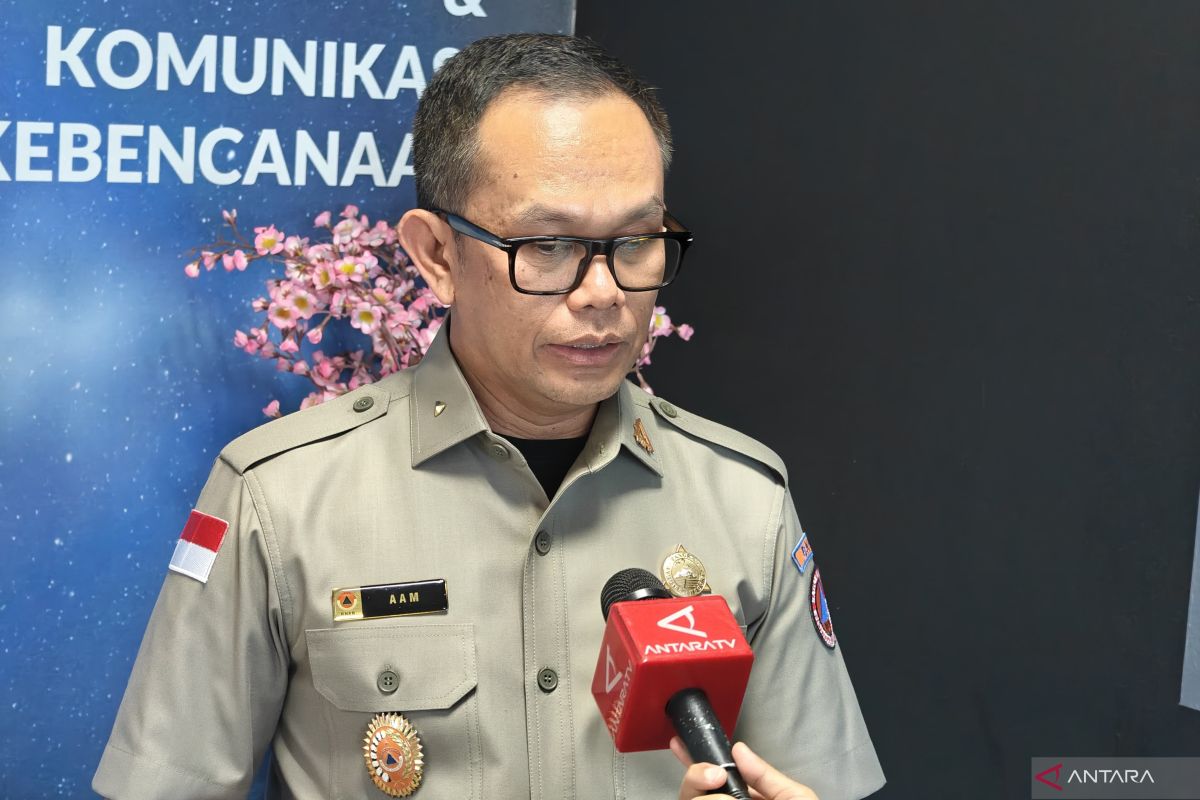
Jakarta (ANTARA) - The National Disaster Mitigation Agency (BNPB) is collaborating with law enforcement agencies to anticipate and firmly address the potential for illegal levies in the process of distributing aid and constructing housing for disaster victims, including in Aceh, North Sumatra, and West Sumatra.
The Head of the BNPB Centre for Disaster Data, Information, and Communication, Abdul Muhari, stated when met in Jakarta on Monday that the involvement of the National Police (Polri) and the Prosecutor’s Office in proposals from regents and mayors aims to ensure that every aid proposal has a strong and justified legal basis.
“This is why in the proposals from local leaders, we include law enforcement officials (APH). If illegal levies are carried out by thugs, they are handled by the police, but if they involve government officials, they are reported to the district prosecutor’s office because it falls under criminal jurisdiction,” he said.
The statement was made in response to BNPB regarding allegations of a levy amounting to Rp3 million by village officials on disaster survivors in Tetingi Village, Pantan Cuaca Subdistrict, Gayo Lues Regency, Aceh.
The levied funds were intended by the village government officials as a guarantee for disaster survivors to obtain housing as well as permanent housing land.
According to Abdul, BNPB has not yet received an official report regarding the illegal levy practice from the beneficiary community, even though nearly 99 percent of evacuees in emergency tents have now moved to temporary housing (huntara).
BNPB has placed officials at the Echelon II level or high-ranking TNI/Polri officers in the field as points of contact (PIC) for the entire disaster management process, from the emergency response phase to rehabilitation and reconstruction.
“I emphasise again, temporary housing or permanent housing is built by the central government. Not by local government, but by the government. This includes BNPB, the Ministry of Public Works, and the Ministry of Agrarian Affairs and Spatial Planning, which handle the physical construction of temporary and permanent housing. Local governments provide the land and identify the recipients,” he stressed.