
BNPB Alerts Heavy Rainfall Alert Status in South Kalimantan and East Java
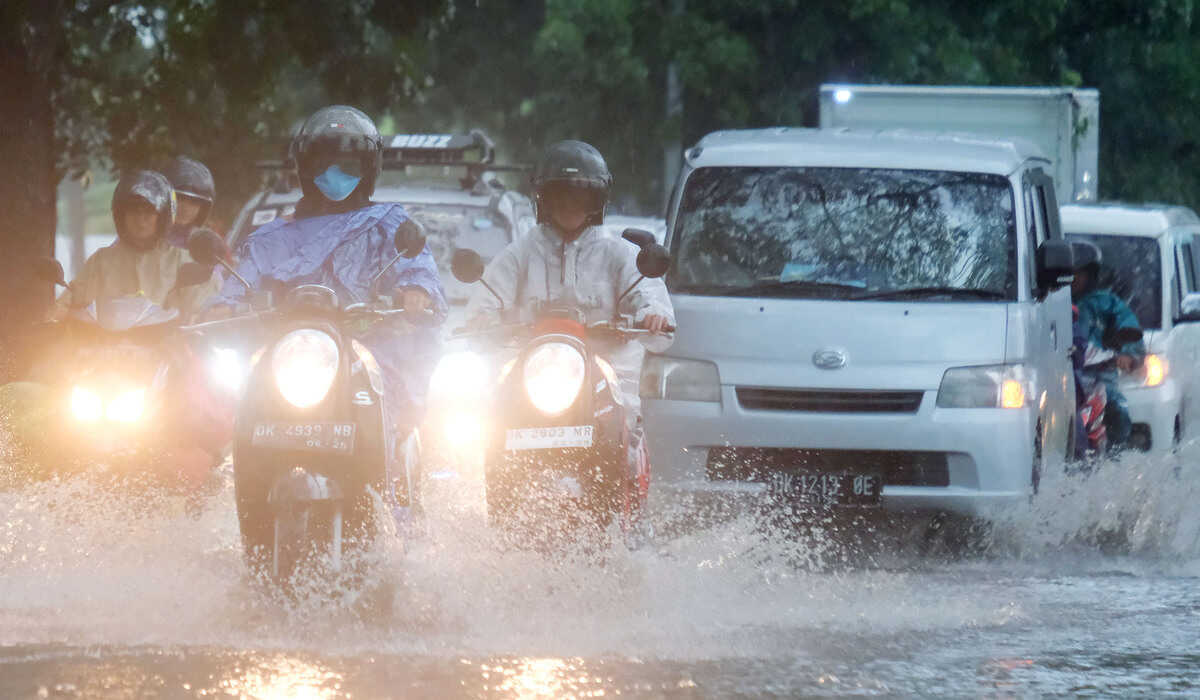
The Indonesian National Disaster Mitigation Agency (BNPB) has collated reports of disaster incidents and government disaster management responses for the period from Sunday, 1 March at 07:00 WIB to Monday, 2 March at 07:00 WIB. As Indonesia enters early March, hydrometeorogical disasters continue to dominate numerous regions, particularly in South Kalimantan and East Java provinces.
Head of the BNPB’s Data, Information and Disaster Communication Centre, Abdul Muhari, stated that the agency continues to monitor developments in affected areas. “BNPB, together with local governments, continues to conduct data collection and field monitoring. We urge communities to remain vigilant against potential extreme weather that could occur in the coming days,” Muhari said on Monday, 2 March.
A tornado struck Tapin Regency in South Kalimantan on Sunday, 1 March at approximately 22:00 WITA during heavy rainfall. The incident occurred in Pualam Sari Village and Mekar Sari Village, Binuang District. A total of 51 households were affected, with damage also reported to one place of worship, one health facility, and one public facility. No fatalities were recorded.
Based on inaRISK analysis, Tapin Regency has medium to high potential for extreme weather hazards, with 12 districts falling within this category.
Meanwhile, flooding that struck Malang Regency in East Java on Saturday, 28 February had receded and was monitored on Sunday, 1 March. The flooding was triggered by heavy rainfall in the area. Two affected villages in Pakis District—Saptorenggo and Mangliawan—experienced impact to 61 households and their residences.
Based on inaRISK analysis, Malang Regency has 31 districts with medium to high potential for flood hazards.
Until Monday, 3 March, South Kalimantan and East Java regions remain at risk of experiencing medium to heavy rainfall. Given these hazard potentials and weather forecasts, BNPB has urged local governments and communities to increase preparedness and implement mitigation measures.
In facing potential strong winds and heavy rainfall, communities are advised to trim tree branches around their homes and ensure roof structures are robust. Additionally, local governments and communities are expected to jointly clean water channels to optimally accommodate rainfall runoff.