
BNN: Tackling Drugs and Terrorism Requires Similar but Not Identical Approaches
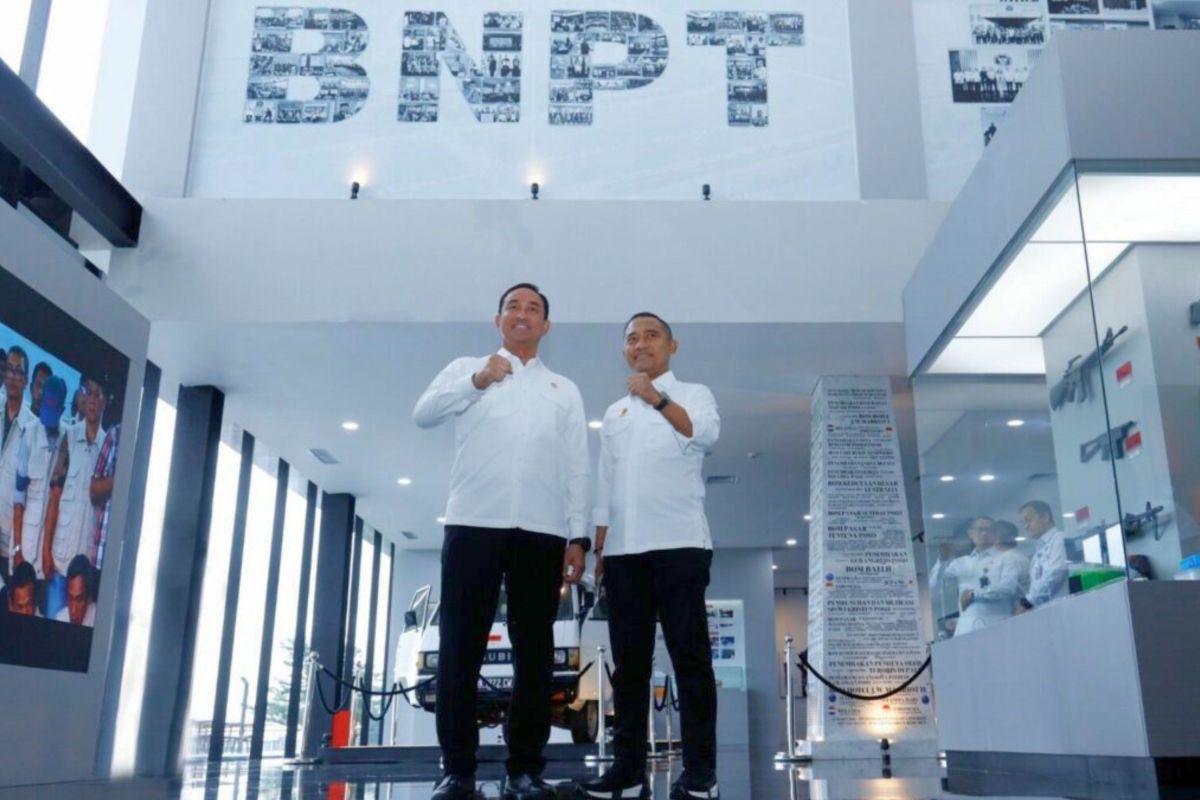
Jakarta (ANTARA) - Indonesia’s National Narcotics Agency (BNN) states that addressing narcotics and terrorism requires similar approaches, but not identical ones. During a working visit to the National Counter-Terrorism Agency (BNPT) office in Bogor, West Java, on Thursday (9/4), the Head of BNN, Police Commissioner General Suyudi Ario Seto, explained that the approaches in question involve controlling addiction in narcotics cases and handling ideology in terrorism. “Such efforts need to be strengthened through value-building and economic empowerment, such as diverting commodities from cannabis plants to coffee in Gayo Lues,” said Suyudi, as quoted from a statement confirmed in Jakarta on Monday. He also highlighted the increasingly complex developments in narcotics misuse methods, including in e-cigarettes. It was mentioned that findings of e-cigarette liquids mixed with dangerous substances like etomidate have become a serious concern, especially due to the widespread use of vapes among the younger generation. Suyudi appreciated the coaching approach that does not solely focus on punishment but also on empowerment. According to him, providing skills is key so that inmates can return to being productive in society. He emphasised that strengthening synergy between institutions is the main key in facing increasingly complex and cross-sectoral crime threats. “BNN is committed to continuously expanding collaboration, strengthening information exchange, and integrating prevention and enforcement efforts to ensure more effective and sustainable narcotics handling at the national level,” he stated. Meanwhile, BNPT Head Eddy Hartono emphasised that cross-sectoral synergy is key to maintaining national security stability. He also highlighted the linkage between narcotics and terrorism at the global level (narcoterrorism), including terrorism financing practices through drug trafficking that have occurred in various regions and in the history of terrorist groups. “This aligns with our work priorities in strengthening national defence and security synergy,” said Eddy. BNPT also implements a phased coaching programme for terrorism convicts (napiter) from high to medium risk, with a more open approach but still under supervision. It was stated that the programme is integrated with social reintegration processes through skills training, mentoring, and approaches to the community before inmates return to their social environment. The visit served as a concrete step in strengthening collaboration between institutions in facing narcotics and terrorism threats. The activities also included a review of the Job Training Centre (BLK) as a facility for skills training for inmates, covering fields such as automotive, air conditioning, electrical, livestock, sewing, and woodworking crafts. In some fields, participants receive certificates as empowerment provisions after returning to society, with support from BNPT instructors and collaboration with private parties.