
BMKG Warns of Potential Extreme Weather from 23–25 March, Public Urged to Stay Alert
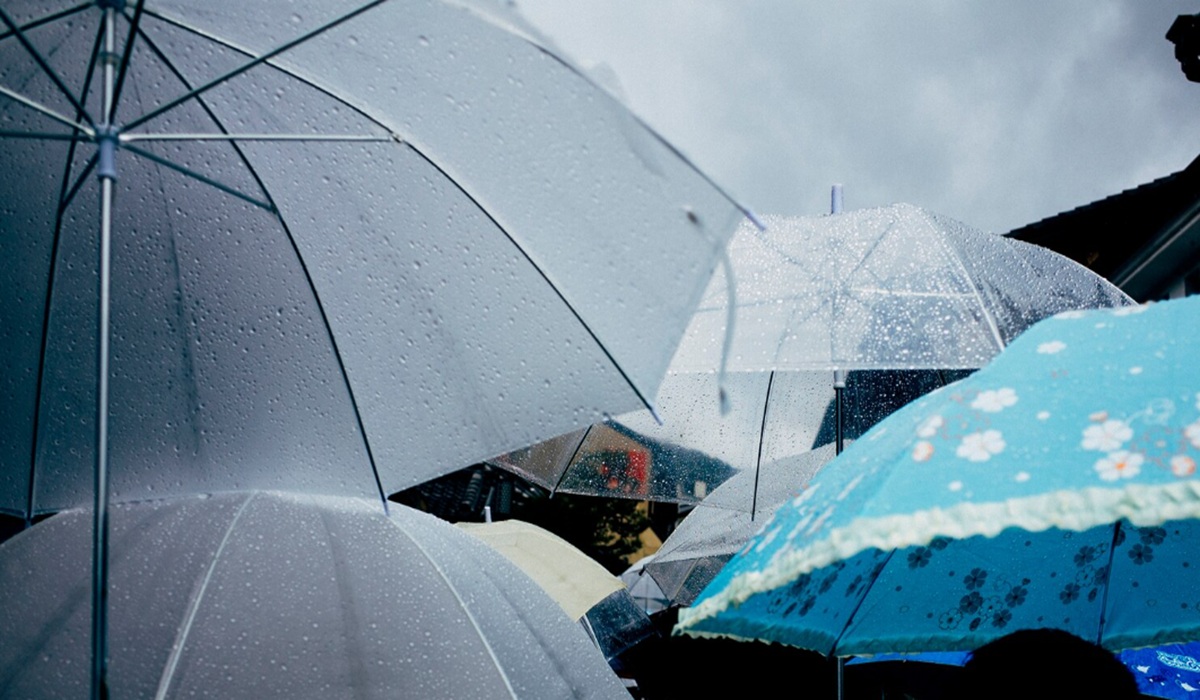
The Indonesian Agency for Meteorology, Climatology, and Geophysics (BMKG) has issued an early warning regarding the potential for extreme weather predicted to occur from 23 to 25 March 2026. The public is urged to be vigilant against rain of moderate to heavy intensity accompanied by lightning and strong winds in several regions of Indonesia.
Overall, the weather in Indonesia is dominated by light to moderate rain. However, a significant increase in rainfall intensity is forecast to affect Banten, West Java, East Java, NTT, Central Kalimantan, East Kalimantan, North Kalimantan, Central Sulawesi, South Sulawesi, Southeast Sulawesi, Maluku, and regions in Papua.
In particular, for the mountainous Papua and South Papua regions, BMKG has set an alert status for the potential of heavy to very heavy rain.
“Meanwhile, potential strong winds are estimated to occur in West Kalimantan, Central Kalimantan, Central Java, the Special Region of Yogyakarta, East Java, Bali, West Nusa Tenggara, East Nusa Tenggara, North Maluku, Maluku, and South Papua,” BMKG stated in its official release.
BMKG explained that significant atmospheric dynamics in the coming days could trigger hydrometeorological disasters.
This is a serious concern for stakeholders and the public, especially those travelling home for Eid al-Fitr.
Drivers are reminded to be alert to visibility disruptions and safety risks due to extreme weather.
“Rapid weather changes also need to be considered in planning land, sea, and air travel, including outdoor activities such as worship and tourism,” BMKG added.
In addition to being wary of rain, the public is asked to maintain physical condition amid fluctuating weather. BMKG suggests using protective items such as hats or umbrellas and sweat-absorbent clothing to reduce the impact of sun exposure during the daytime.
Given that transitional seasonal weather conditions can change at any time, the public is urged to continue monitoring the latest information through official channels such as the InfoBMKG application, the official website, or BMKG’s social media.