
BMKG Warns 2026 Dry Season Will Be Drier and Longer; Check the Affected Regions
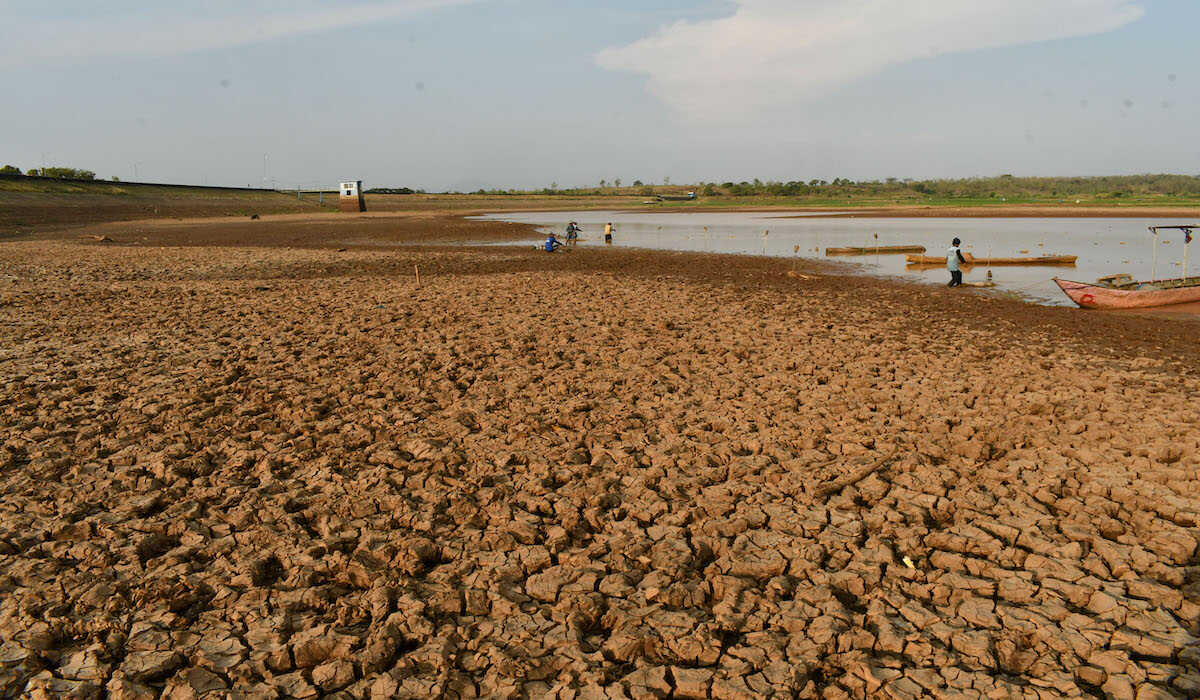
BMKG has issued an early warning regarding Indonesia’s climatic conditions for 2026. The 2026 dry season is predicted to arrive sooner, last longer, and be considerably drier than in 2025. BMKG chief Teuku Faisal Fathani explained that this shift in climate patterns is expected to be felt across most parts of Indonesia in the near term. The phenomenon calls for heightened vigilance from communities and local governments to anticipate potential droughts and forest fires.
Based on the latest climatology data up to March 2026, the dry season is forecast to begin in April 2026. The initial phase will cover at least 114 Seasonal Zones (ZOM) in Indonesia. Gradually, dry conditions will spread to other regions in May and June. BMKG emphasised that the onset this year is earlier (front-loaded) than the climatological normal.
The drier dry season is driven by shifts in sea-surface temperature anomalies that influence monsoonal wind patterns in the equatorial region. Unlike 2025, which tended to be wetter, 2026 is expected to be dominated by a ‘Below Normal’ rainfall condition. Deputy for Climate at BMKG, Ardhasena Sopaheluwakan, outlined rainfall distribution data during the dry season: a below-normal rainfall regime means rainfall intensity will be below the annual average, directly raising the risk of clean water shortages and reduced agricultural productivity.
Communities in affected areas are urged to take early mitigation steps given the forecast for drier-than-usual conditions. In response to the BMKG warning, the government has called on farmers to adjust planting patterns and optimise water management via reservoirs or embung (small reservoirs). In addition, the public is urged to conserve clean water to prepare for a peak dry season that is expected to last longer than the typical annual cycle.