
BMKG: Special Region of Yogyakarta Entering Dry Season from Late April with Drier than Normal Conditions
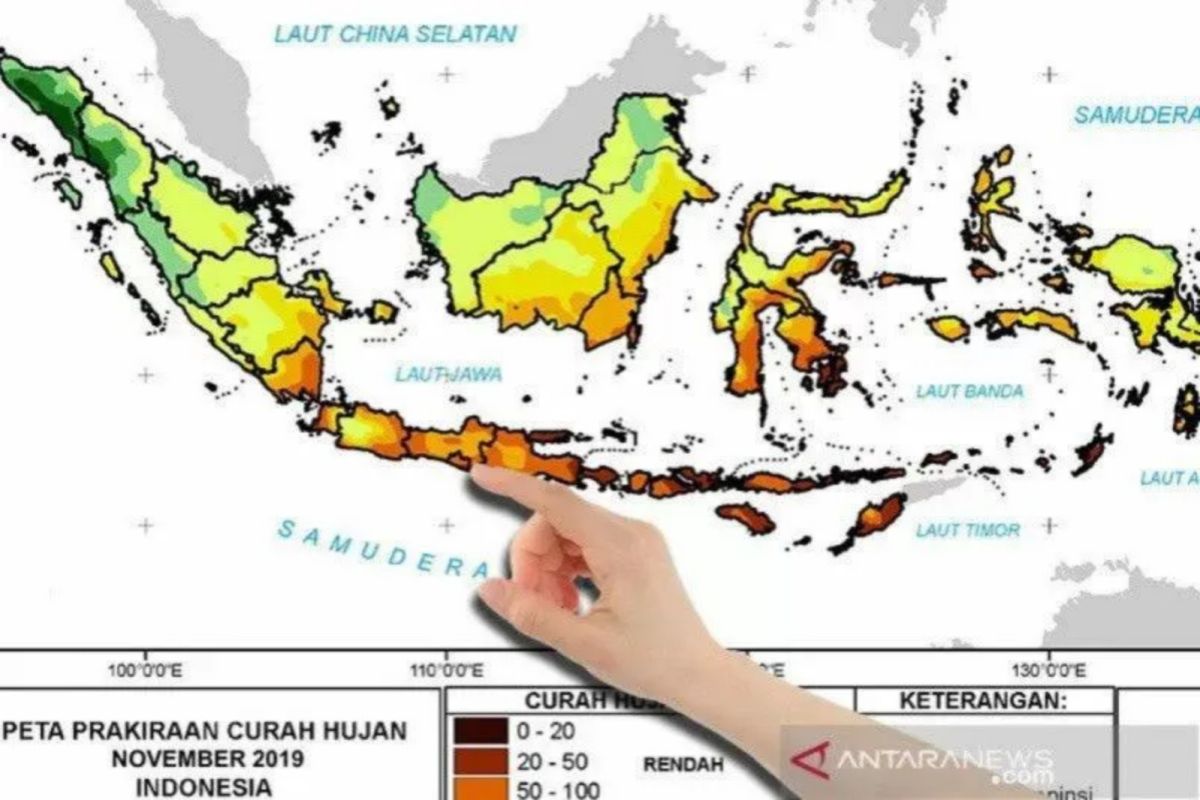
Indonesia’s Meteorological, Climatological and Geophysical Agency (BMKG) forecasts that the 2026 dry season in the Special Region of Yogyakarta (DIY) will be drier than the previous year, with rainfall expected to remain below normal levels.
Reni Kraningtyas, head of the DIY Climatology Station, stated on Wednesday in Yogyakarta that most areas of DIY are forecast to enter the dry season during the third ten-day period of April 2026.
“The 2026 dry season in the Special Region of Yogyakarta is generally expected to be below normal, meaning rainfall will be less than the climatological average or drier than usual,” Reni said.
However, she noted that certain small districts in Sleman Regency, Yogyakarta City, northern Kulon Progo, parts of western Gunungkidul, and northern Bantul are forecast to begin the dry season in the first ten-day period of May 2026.
“There are indications of weak El Niño phenomena in the middle of the year, which may result in less rainfall,” she explained.
BMKG forecasts that the peak of the dry season in DIY will occur in August 2026.
The duration of the dry season across most of DIY is predicted to last approximately 19 to 21 ten-day periods, or roughly 6.5 to seven months.
BMKG also predicts that the dry season will generally end in early November 2026 across DIY.
Rainfall in DIY during March is expected to remain in the medium to high category, then is forecast to begin declining in April and May as the region transitions towards the dry season.
As a result, BMKG has appealed to relevant agencies and stakeholders to prepare for climatic conditions that are likely to be drier than normal.
“We urge relevant agencies and stakeholders to prepare for the upcoming climatic conditions that are likely to have less rainfall,” Reni stated.
She also reminded farmers to adjust their planting patterns and prepare for potential water deficits during the upcoming dry season.