
BMKG Predicts Potential Extreme Drought in Bali in 2026 Due to El Niño
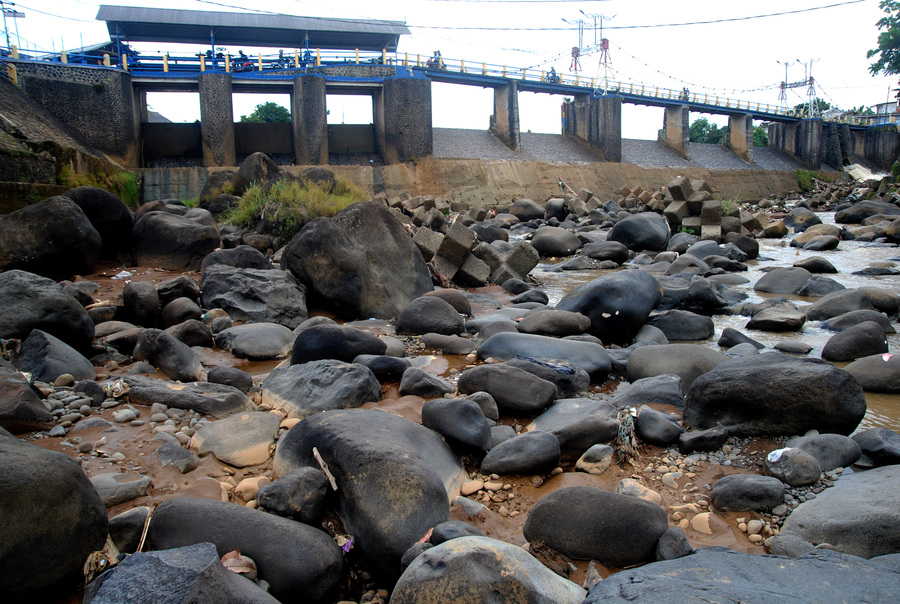
The Indonesian Meteorology, Climatology, and Geophysics Agency (BMKG) through its Bali Climatology Station has predicted the potential for an extreme dry season in Bali in 2026. This condition is estimated to occur due to a longer drought duration and drier conditions compared to the previous year, triggered by the El Niño phenomenon.
Trayi Budi Samantu, a forecaster at the Bali Climatology Station, explained that the El Niño phenomenon is expected to occur in mid to late dry season. “From July to October, a weak El Niño phenomenon will occur, which means there is great potential for prolonged or extreme drought,” said Trayi Budi Samantu during a virtual presentation on the 2026 Dry Season in Denpasar, Bali, on Thursday, 12 March.
BMKG has identified several regions in Bali that are likely to experience extreme drought during the dry season. The most vulnerable areas are located in northern Bali, including Buleleng Regency from west to east. Additionally, Nusa Penida Island and the southern part of Klungkung Regency are also predicted to face relatively high drought risks during this period.
Based on BMKG’s analysis, the dry season in Bali in 2026 is estimated to last longer than in previous years. The beginning of the dry season is predicted to commence in the first ten-day period of March on Nusa Penida Island. Subsequently, in the second ten-day period of March, the drought is estimated to expand to the southern areas of Gianyar Regency, the southern part of Klungkung Regency, and the southern region of Karangasem Regency.
Meanwhile, central Bali is estimated to be the region that enters the dry season last. By August 2026, the entire Bali region is estimated to be fully within the drought period. Overall, the duration of the dry season in 2026 across Bali is estimated to reach approximately six months from March onwards.
By comparison, in 2025, the dry season in Bali lasted much shorter, commencing around June–July and ending in August to September, lasting only around four months.
BMKG estimates that air temperature during the dry season in Bali will remain within normal ranges. The average temperature is estimated to remain below 35 degrees Celsius. Nevertheless, monitoring of temperature developments will continue to be conducted regularly, both on ten-day and monthly bases, to ensure changes in weather conditions are tracked.
On the same occasion, Aminudin Ar Roniri, Head of the Bali Climatology Station, stated that most areas of Bali are estimated to experience drought earlier than in the previous year. Approximately 65 per cent, or 13 seasonal zones, are predicted to experience earlier drought. Meanwhile, three seasonal zones, or approximately 15 per cent, are estimated to experience drought timing similar to the previous year, and four seasonal zones, or approximately 20 per cent, are predicted to experience later-arriving drought.
“The prediction for the 2026 dry season characteristics is below normal at 90 per cent. This below-normal characteristic needs to be addressed carefully, especially in areas with drought potential,” he stated.
BMKG has also provided several recommendations to regional governments, the agricultural sector, business operators, and the public to take anticipatory steps in facing potential drought. Some of the recommended measures include more efficient water resource management, water usage conservation, water distribution arrangements for irrigation, and enhanced preparedness against potential drought and land fires.